





Production of Next-Generation eCanter Starts in Portugal
Four Powerhouse Truck Manufacturers Join Efforts
MFTBC and Hino will merge and collaborate in commercial vehicle development, procurement, and production, building a globally competitive Japanese commercial vehicle manufacturer.
May 30, 2023
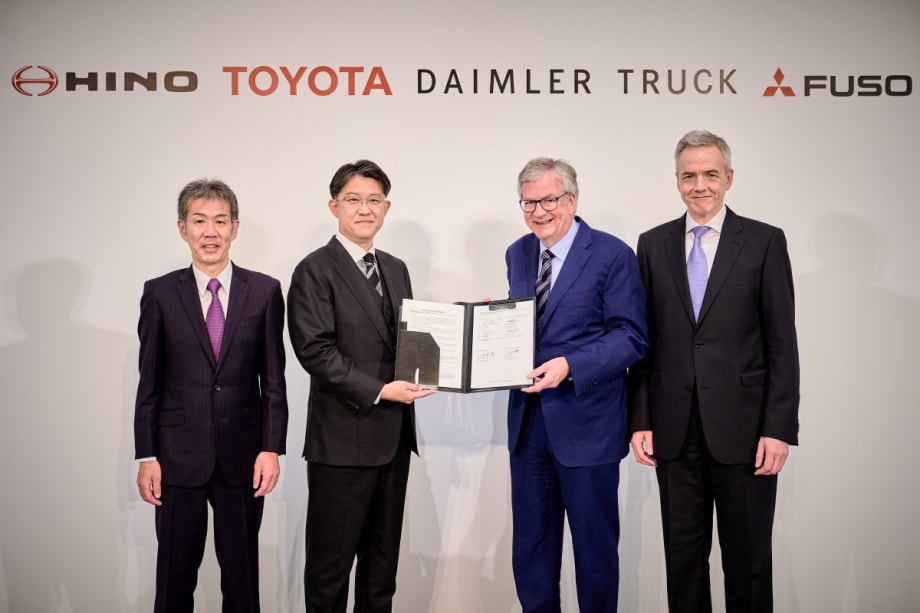
Daimler Truck, Mitsubishi Fuso, Hino, and Toyota Motor Corporation conclude a MoU on accelerating development of Advanced Technologies and merging Mitsubishi Fuso and Hino Motors (left to right: Satoshi Ogiso, President and CEO of Hino Motors Ltd.; Koji Sato, President and CEO of Toyota Motor Corporation; Martin Daum CEO of Daimler Truck AG; Karl Deppen CEO of Daimler Truck Asia).
Photo: Daimler Truck AG
2 min to read
Daimler Truck, Mitsubishi Fuso Truck and Bus Corporation (MFTBC), Hino Motors Ltd., and Toyota Motor Corporation have entered into a Memorandum of Understanding (MoU) to strengthen the commercial vehicle business globally and develop advanced technologies, with a focus on achieving carbon neutrality and creating a prosperous mobility society.
Likely the largest news out of this announcement for commercial fleets: MFTBC and Hino will merge and collaborate in commercial vehicle development, procurement, and production, building a globally competitive Japanese commercial vehicle manufacturer.
“We will unite our aspirations to support mobility and contribute to society and, hand in hand, accelerate advanced technology development in order to overcome the increasingly fierce global competition. Through these efforts, we will strive to tackle societal challenges such as achieving carbon neutrality," said Satoshi Ogiso, CEO of Hino.
Daimler Truck and Toyota will invest equally in the holding company of the merged MFTBC and Hino, collaborating on the development of hydrogen and other Connected/Autonomous & Automated/Shared/Electric (CASE) technologies.
“We at Daimler Truck are very proud of our products, because trucks and buses keep the world moving. And soon they will even do so with zero emissions. So there is a great future ahead – and today’s announcement is a crucial step in making that future work economically and in leading sustainable transportation. The planned new company will be a major force in Southeast Asia and an important associate of the Daimler Truck family," said Martin Daum, CEO of Daimler Truck.
The four companies aim to promote the use of environmentally friendly vehicles and increase the value of mobility in the world's social systems. This collaboration will help strengthen the foundation of the Japanese and Asian automotive industries, contributing to customers, stakeholders, and society.
Details of the collaboration will be decided over the next 18 months, and definitive agreements are expected to be signed in the first quarter of 2024, with the transaction closing by the end of 2024.
Potential to Reduce Dependence on the Chinese Market
According to a report from Reuters, the deal to combine Daimler Truck and Toyota Motor Corp. truck units in Japan will give the German group a more "balanced" market position in Asia and reduce its reliance on China, Daimler Truck's CEO said.
During a conference call, Martin Daum noted tie-up would have no effect on its operations in the Chinese market. But later when asked whether the deal hoped to achieve greater independence from China, he said: "You could see that as a consideration for the whole thing."
More Vehicle Research
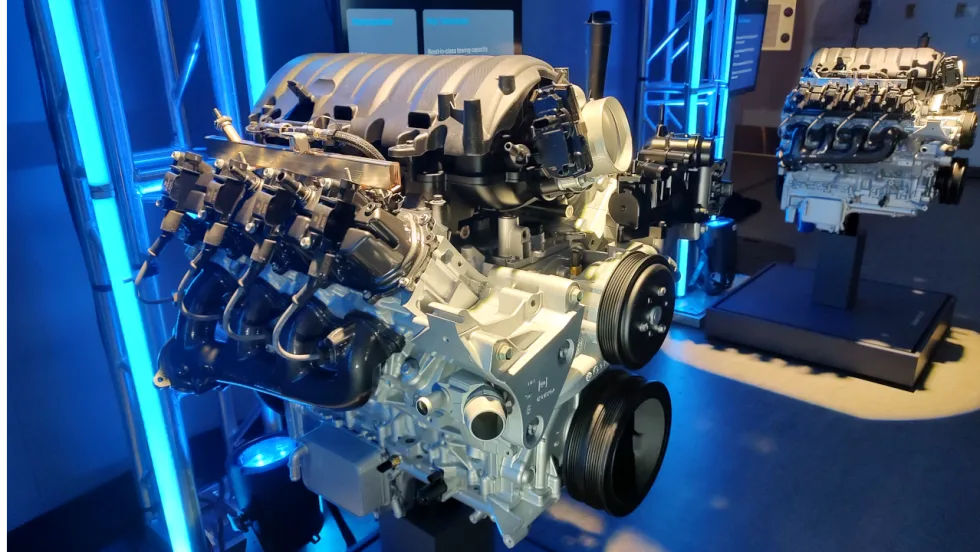
GM Unveils New Sixth-Generation Small Block Engines for 2027 Light-Duty Pickups
General Motors unveiled two new small-block engines, backed by extensive real-world validation and more than 70 years of small-block V8 manufacturing experience, as part of the engine portfolio for the 2027 Chevrolet Silverado 1500 and GMC Sierra 1500.
Read More →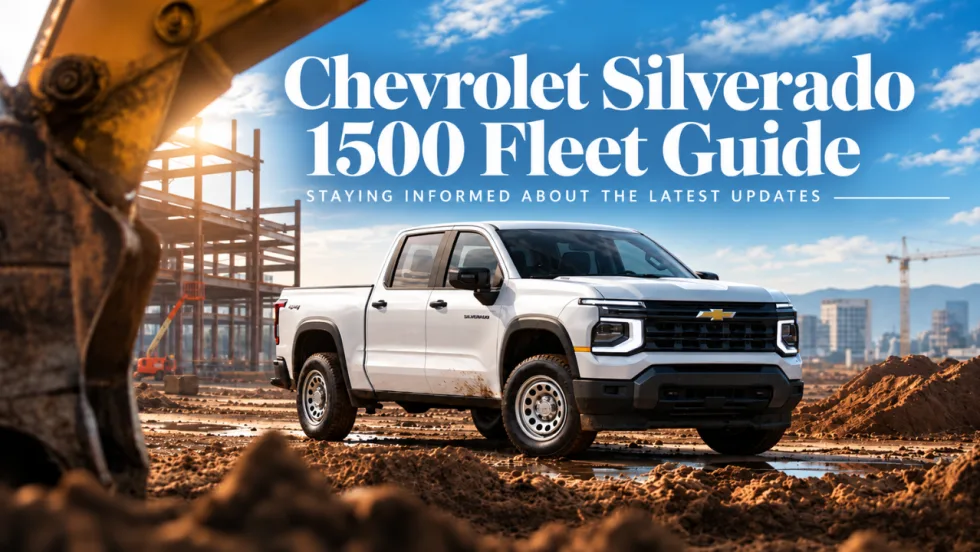
Chevrolet Silverado 1500 Fleet Guide Specs Capability and 2027 Model-Year Updates
The next-generation 2027 Chevrolet Silverado 1500 brings new V-8 engines, updated technology, expanded safety features, and a fleet-focused Work Truck. Here’s what commercial fleets need to know so far.
Read More →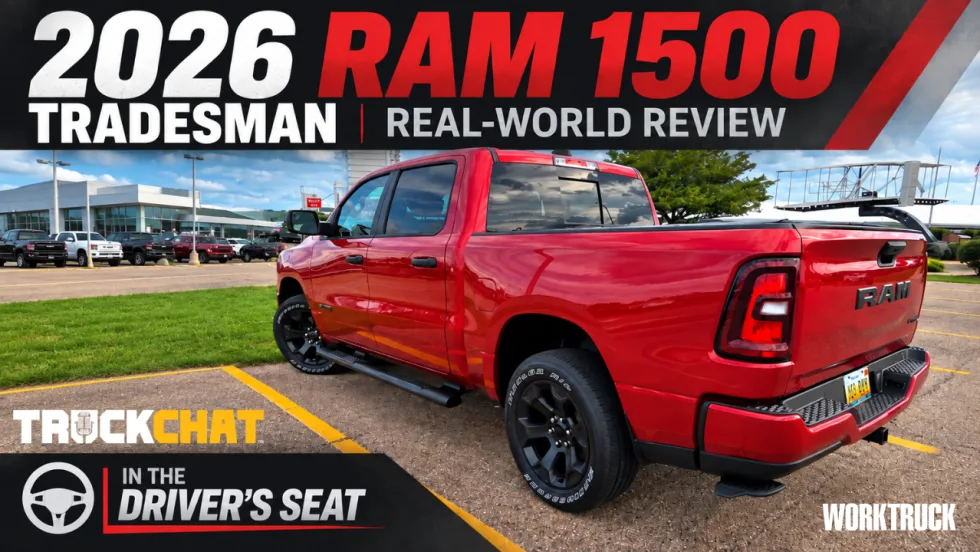
2026 Ram 1500 Tradesman Put to a Real-World Fleet Test
A few days behind the wheel of a 2026 Ram 1500 Tradesman turned into a test of visibility, parking, work-ready features, and even severe-weather driving.
Read More →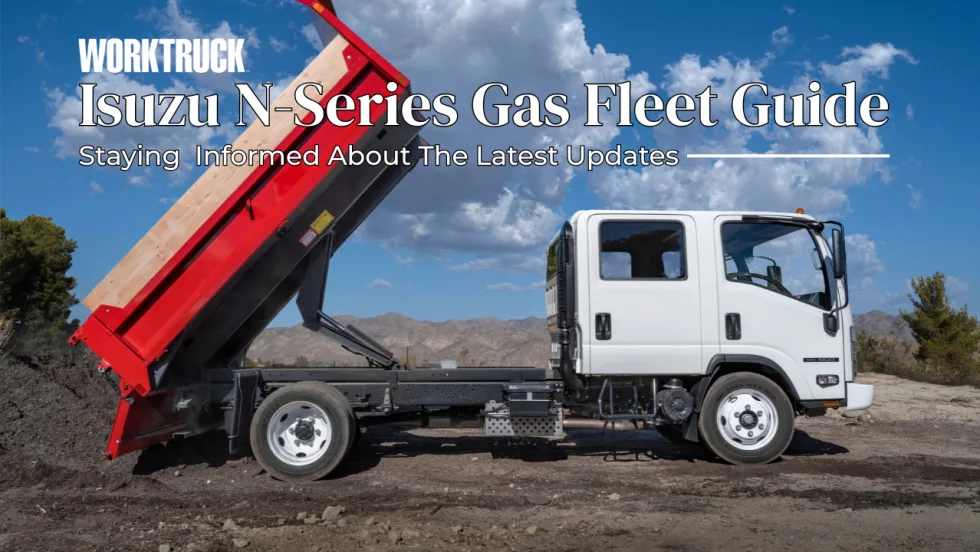
Isuzu N-Series Gas Fleet Guide: Specs, Capability and 2027 Model-Year Updates
Explore Isuzu Truck North America’s N-Series Gas fleet specs, engine performance, GVWR and payload capability, configurations, chassis dimensions, work-focused features, and 2027 model-year information.
Read More →
Ram ProMaster City Fleet Guide Specs Cargo Capacity and 2027 Updates
Work Truck’s Ram ProMaster City Fleet Guide tracks the latest specifications, cargo capability, configurations, fleet technology, pricing, and model-year updates for Ram’s mid-size commercial van.
Read More →
Ford F-150 Fleet Guide Specs Capability and 2026 Model-Year Updates
Explore 2026 Ford F-150 fleet specs, engines, towing and payload capability, configurations, work features, technology, and model-year updates.
Read More →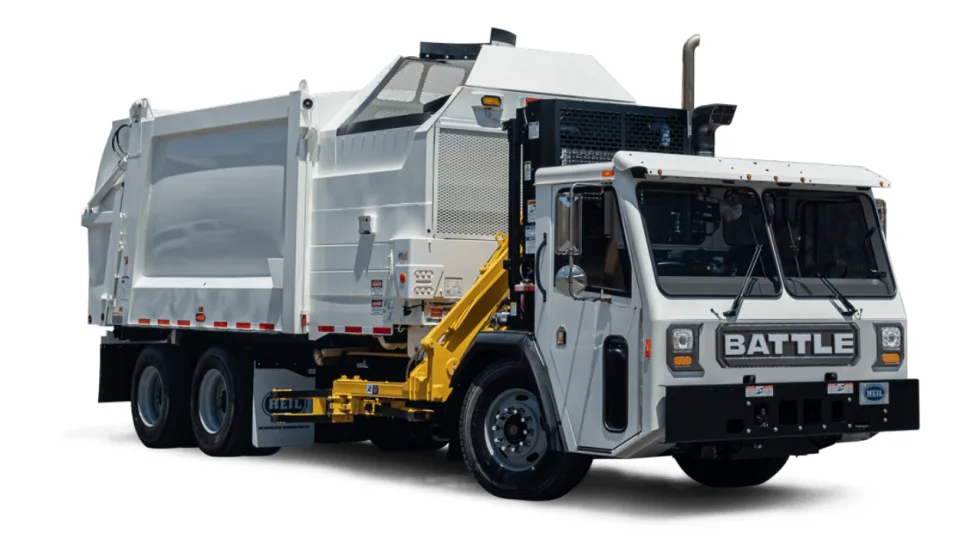
TCI Now Sells & Supports Battle Motors’ Vocational Trucks
Midwest truck dealer Truck Centers, Inc. (TCI) has expanded its transportation solutions with sales and service support for Battle Motors’ heavy-duty vocational trucks at locations in locations in Indiana, Illinois, and Missouri
Read More →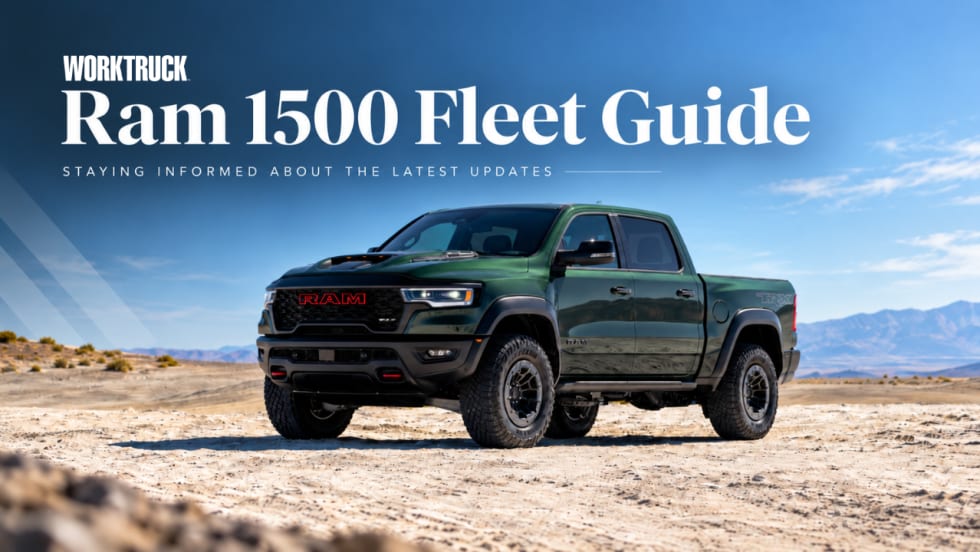
Ram 1500 Fleet Guide Specs, Capability and 2027 Model-Year Updates
Explore always up-to-date Ram 1500 fleet specs, engines, towing and payload capability, configurations, technology, pricing updates, and model-year changes.
Read More →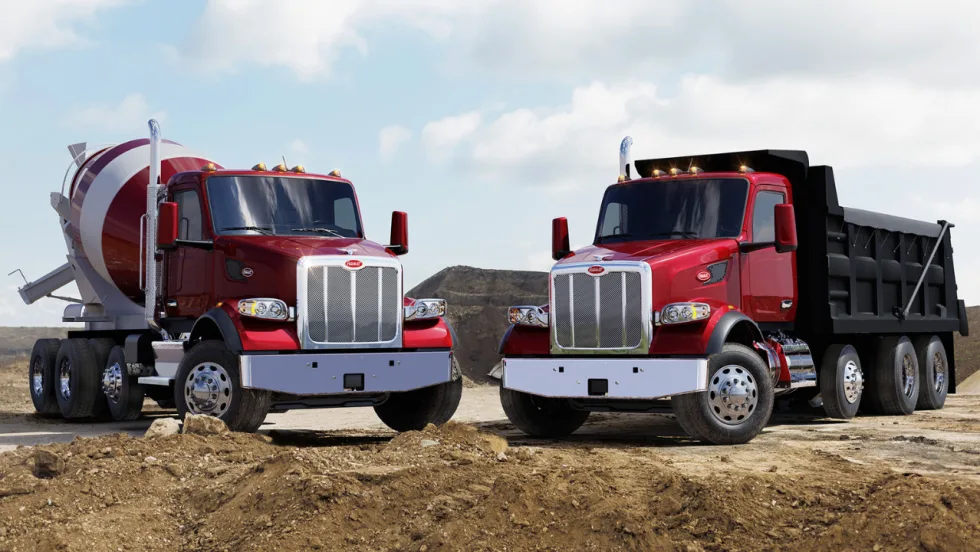
Peterbilt Trucks Equipped with Paccar TX-18 Pro Boost Efficiency for Maryland Fleet
Patuxent Companies is replacing aging trucks with the Peterbilt Model 567 and Model 589, specified with the Paccar TX-18 Pro 18-speed automated transmissions, and is reporting an 8% to 10% improvement in fuel economy.
Read More →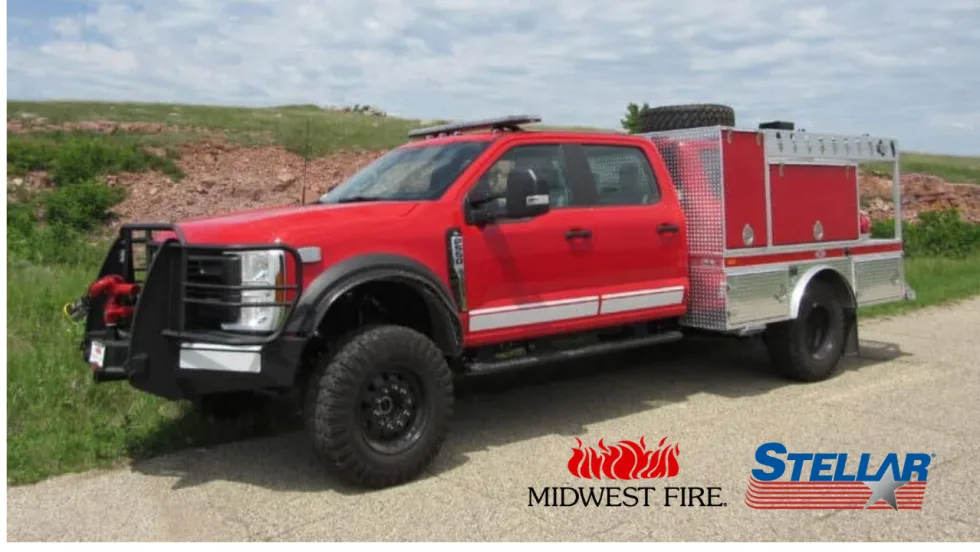
Stellar Expands into Fire Apparatus Market with Acquisition of Midwest Fire
Stellar Industries has acquired Midwest Fire, a custom fire apparatus manufacturer headquartered in Luverne, Minnesota, with nearly four decades of specialized apparatus experience.
Read More →