




Fossil Fuels Will Dominate Through 2020: Study
Gasoline and diesel engines will continue to dominate the automotive market through 2020, despite public and private efforts to develop new sources of automotive power, according to a study released by consultants DRI-WEFA and Arthur D. Little. The forecast for continuing reliance on fossil fuel power for automobiles takes into account advances in fuel cell research such as the Bush administration's recent announcement supporting the development of fuel cells through its "Freedom Car" initiative. "Last week's announcement by the Bush administration will accelerate commercialization of automotive fuel cells," said J. R. Linna, an automotive expert in the Energy & Transportation Technology group at Arthur D. Little. "In the interim, however, gasoline prices will likely remain stable and affordable. Advances in gasoline and diesel engine technology will increase fuel efficiency and keep these powertrains competitive for 20 years or more." The study, entitled "Future Powertrain Technologies: 2008 to 2020," developed three plausible scenarios of emissions regulations, fuel efficiency, carbon dioxide requirements, crude oil price and economic outlook. For each scenario, the mix of powertrain (engine, transmission and fuel system) technologies in each geographic region was predicted. The technical hurdles to the commercialization of advanced gasoline engines, diesel engines, hybrid and fuel cell vehicles, as well as the various forms of advanced transmissions and exhaust cleanup, were identified and assessed. Despite the continuing trend to use traditional fuel sources, the authors of the study predict greatly improved engine, transmission and fuel system technologies compared with what is now on the market. Improvements will include "mechatronics," or the integration of electronic controls with engine function, the use of advanced lubricants, and improved manufacturing techniques and materials, according to the study. As a result of these refinements, the study anticipates substantial improvements in engine emissions and fuel efficiency. "For the first time in 100 years, we are seeing a new powertrain successfully penetrating the market," said Phil Gott, director of automotive consulting at DRI-WEFA and program manager of the study. "Over the next two decades, hybrids and other improvements in the powertrain and vehicle will mean Americans will be able to continue their love affair with the SUV, even if we see stricter regulations imposed for fuel efficiency." "In Europe, the diesel engine will continue its climb to become the technology of choice for most automotive applications. Currently, roughly 40 percent of all cars in Europe operate with diesel engines, known for providing dramatic fuel efficiency as a tradeoff for expelling more particulates into the atmosphere," said Nick Russ, a European automotive expert at Arthur D. Little's Paris office. The study anticipates that diesel will be outlawed in some areas of the world - but not Europe - due to the potential health effects of particulates.
More Small Fleet

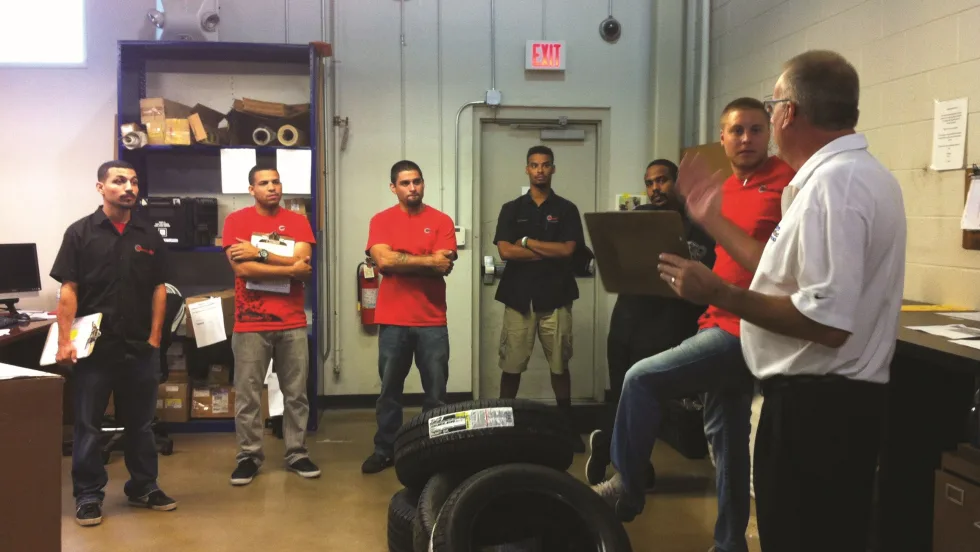
Developing Budget-Friendly Driver Safety Programs
From driver training and safety meetings to one-on-one coaching and incentive programs, several small fleets share how they have developed a safety culture with their drivers using low- to no-cost resources.
Read More →
Boosting Last-Mile Fleet Uptime, Safety, and Value with AI Vehicle Inspections
AI-powered inspections are transforming last-mile fleets by replacing manual checks with highly accurate automated scans that detect defects in seconds. By giving fleet operations visibility into the daily condition of their vehicles, you can identify trends over the vehicle’s lifecycle that enable improved procurement decisions, route management, driver training and accountability.
Read More →
Five Ways Seat Belts Help Prevent Injuries
There are five ways seat belts protect occupants from injuries, according to the Tennessee Department of Safety and Homeland Security.
Read More →
It’s here: The 2026 Fleet Technology Trends Report
What does AI mean for fleets? Get the answer — and learn other top tech trends.
Read More →
Small Fleets, Big Impact: How Independent Drivers Power Wreaths Across America
Check out how small fleets and independent drivers power Wreaths Across America each December and why their impact matters more than ever.
Read More →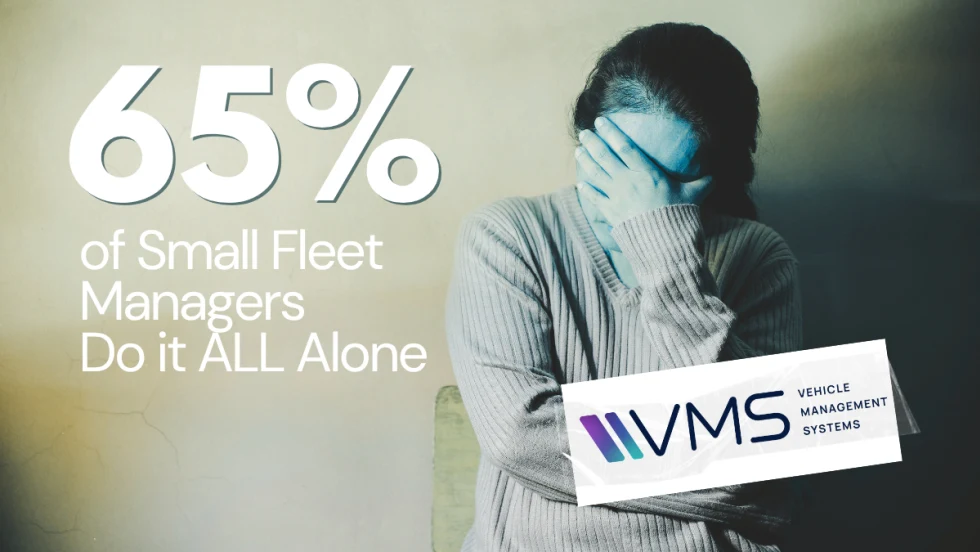
VMS Survey Finds 65% of Small Fleet Managers Run Operations Alone
A new VMS survey shows small fleet managers are stretched thin, with most handling operations solo and eager to adopt digital tools for relief.
Read More →
Tips for Driving Safely on Halloween Night
This video features a reminder from the Connecticut Department of Transportation (DOT) and the Connecticut Police Chiefs Association, urging drivers to prioritize safety this Halloween.
Read More →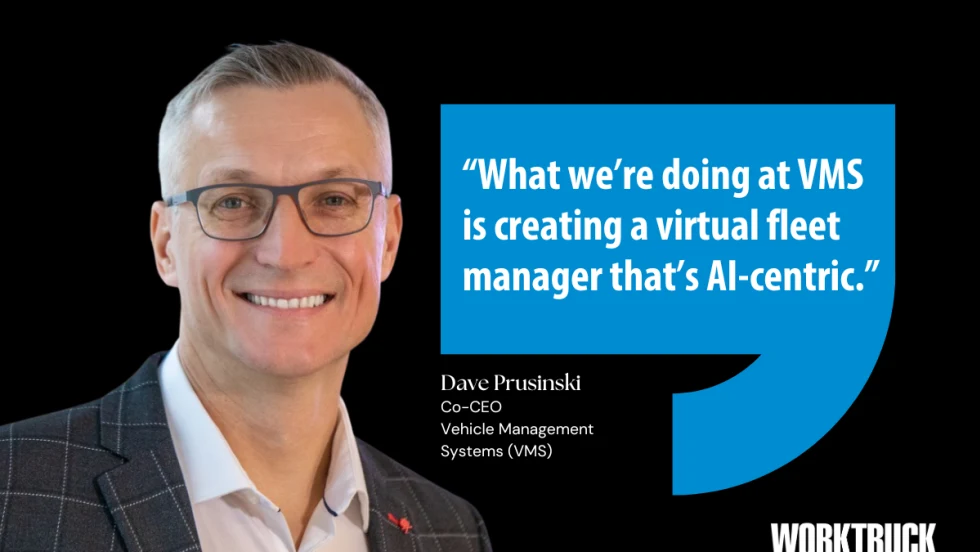
AI, Access, and Uptime: VMS’s Next Chapter with David Prusinski
VMS’s new Co-CEO, David Prusinski, shares how an AI-first approach will give small fleets and repair shops the tools to compete like big players.
Read More →
Fleet Managers Share Winter Prep Tips: It's Never Too Early!
Three fleets share best practices to prep vehicles for winter and prevent downtime when the cold sets in.
Read More →