




Ford to Calibrate Systems on 2013-MY and Later Hybrids to Boost Fuel Economy
Ford plans to adjust vehicle systems to improve the on-road fuel economy of its 2013-MY hybrids sold in the U.S. and Canada beginning in August. Models to receive the updates include the C-MAX Hybrid, the Fusion Hybrid, and the Lincoln MKZ Hybrid.
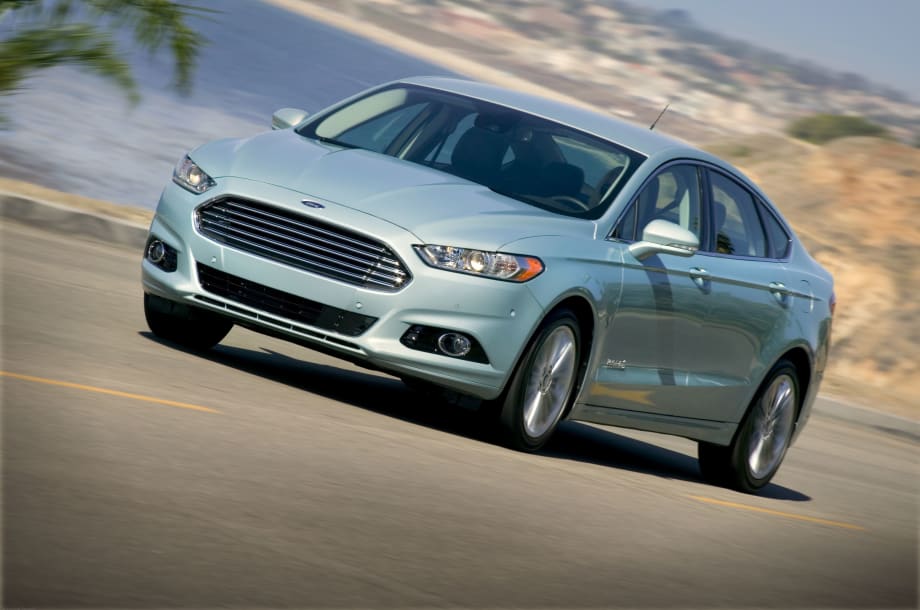
The 2013 Ford Fusion Hybrid.

The 2013 Ford Fusion Hybrid.
Ford plans to adjust vehicle systems to improve the on-road fuel economy of its 2013-MY hybrids sold in the U.S. and Canada beginning in August. Models to receive the updates include the C-MAX Hybrid, the Fusion Hybrid, and the Lincoln MKZ Hybrid. Systems on 2014-MY and later vehicles will be calibrated at the new settings from the factory.
These changes include a number of adjustments. The company first plans to increase the maximum electric-only speed from 62 mph to 85 mph, allowing for longer electric-only mode usage on highways. Next, Ford said it will optimize the use of these active grille shutters to reduce aerodynamic drag under a wider range of driving conditions, including in cold weather, when the driver is using the air conditioning, and when the engine coolant temperature is higher.
Next, Ford said it will reduce the electric fan speed, based on coolant temperature, to minimize the fan’s energy use. Other changes include reducing the engine’s warm-up time by up to 50 percent to enable electric-only driving mode use and engine shutdown at stops sooner after cold starts, and optimizing these vehicles’ climate control systems to minimize use of the air conditioning system’s compressor and the amount of energy the system uses in cold weather conditions.
“Just as individual mileage can vary based on driving styles and environmental conditions, we expect fuel economy improvements will differ from customer to customer depending on individual driving habits,” said Raj Nair, group vice president, Global Product Development, for Ford. “Customers should see the most improvement at highway speeds, during air conditioner use and operation in colder climates.”
Ford also said it plans to invest more in its electrification engineering team, with plans to grow it to 500 salaried employees this year, and is investing an additional $50 million in product development and testing centers in Dearborn for electrified vehicles. The company also said it will double its electrification battery-testing capabilities by the end of the year in order to speed up hybrid and electric vehicle development by as much as 25 percent.
Automotive Fleet reached out to Ford to find out what fleet buyers should do to ensure their vehicles receive these updates and is waiting on official information from the company.
Originally posted on Automotive Fleet
More Small Fleet


Developing Budget-Friendly Driver Safety Programs
From driver training and safety meetings to one-on-one coaching and incentive programs, several small fleets share how they have developed a safety culture with their drivers using low- to no-cost resources.
Read More →
Boosting Last-Mile Fleet Uptime, Safety, and Value with AI Vehicle Inspections
AI-powered inspections are transforming last-mile fleets by replacing manual checks with highly accurate automated scans that detect defects in seconds. By giving fleet operations visibility into the daily condition of their vehicles, you can identify trends over the vehicle’s lifecycle that enable improved procurement decisions, route management, driver training and accountability.
Read More →
Five Ways Seat Belts Help Prevent Injuries
There are five ways seat belts protect occupants from injuries, according to the Tennessee Department of Safety and Homeland Security.
Read More →
It’s here: The 2026 Fleet Technology Trends Report
What does AI mean for fleets? Get the answer — and learn other top tech trends.
Read More →
Small Fleets, Big Impact: How Independent Drivers Power Wreaths Across America
Check out how small fleets and independent drivers power Wreaths Across America each December and why their impact matters more than ever.
Read More →
VMS Survey Finds 65% of Small Fleet Managers Run Operations Alone
A new VMS survey shows small fleet managers are stretched thin, with most handling operations solo and eager to adopt digital tools for relief.
Read More →
Tips for Driving Safely on Halloween Night
This video features a reminder from the Connecticut Department of Transportation (DOT) and the Connecticut Police Chiefs Association, urging drivers to prioritize safety this Halloween.
Read More →
AI, Access, and Uptime: VMS’s Next Chapter with David Prusinski
VMS’s new Co-CEO, David Prusinski, shares how an AI-first approach will give small fleets and repair shops the tools to compete like big players.
Read More →
Fleet Managers Share Winter Prep Tips: It's Never Too Early!
Three fleets share best practices to prep vehicles for winter and prevent downtime when the cold sets in.
Read More →