




Ford Provides C-MAX Lineup Powertrain, Design, and Safety Details
DEARBORN, MI - Ford's new C-MAX will each use a gasoline engine, a new 2.0L Atkinson-cycle four-cylinder, and electric motors.
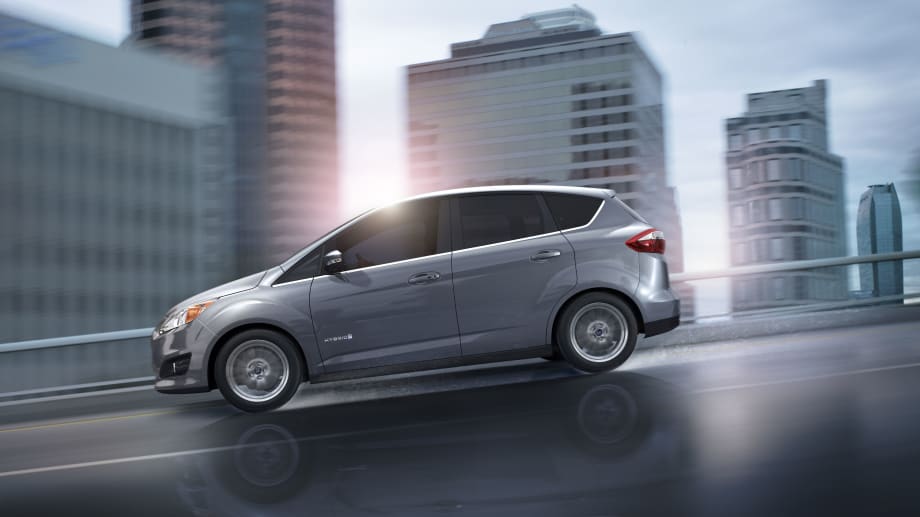
The C-MAX Hybrid.

The C-MAX Hybrid.
DEARBORN, MI – Ford provided powertrain, interior, and safety details on its two new C-MAX hybrid and C-MAX Energi vehicles, slated for delivery during the second half of 2012. Ford said it expects its C-MAX Energi to have a 500-mile overall driving range. Ford said the C-MAX series of hybrids will be the company’s first dedicated hybrid vehicle line and the first MAV (multi-activity vehicle) line in North America. The vehicles will be built at Ford’s Michigan Assembly Plant in Wayne, Mich.
Initially, the automaker had planned a non-hybrid version of the vehicle, but the company announced it would focus only on hybrids for the C-MAX line in June, 2011.
Performance
The new C-MAX Hybrid and C-MAX Energi each use a gasoline engine and an electric motor. The gasoline engine is a new 2.0L Atkinson-cycle four-cylinder engine. The electric motors are powered by lithium-ion batteries. The automaker said both vehicles feature the next generation of Ford’s powersplit technology, which will allow operation in electric mode at higher speeds.
The C-MAX Hybrid recharges the li-ion battery pack when the gasoline engine is operating. The regenerative braking system also recaptures more than 95 percent of the energy applied to braking to recharge the battery. The C-MAX Energi is a plug-in hybrid model, and users can charge it by connecting the vehicle’s charge port to a standard 120-volt outlet or available 240-volt charging station.
The automaker has not yet released fuel-economy estimates for its C-MAX models, though it said it expects the vehicles to set a new benchmark for fuel economy.
Design
Both C-MAX vehicles have high-roof designs, each with an overall height of 64 inches. Each also features room for up to five passengers and a split, fold-flat second-row seat. The C-MAX Hybrid provides 54.3 cubic feet of space behind the first row, and 24.9 cubic feet behind the second row. The C-MAX Energi has 43.3 cubic feet of space behind the first row and 19.1 cubic feet behind the second row.
Another feature on both models is the hands-free liftgate technology (debuted on the new 2013-MY Ford Escape). The C-MAX vehicles also each come with the latest version of SYNC with MyFord Touch.
The C-MAX comes with Ford’s next generation of SmartGauge with EcoGuide technology. The display can show fuel economy on the left cluster as well as Brake Coach, a feature that helps drivers optimize their use of the regenerative braking system. On the right cluster, Ford redesigned the green leaves imagery that shows overall driving efficiency.
For the C-MAX Energi, Ford is offering a smartphone application that allows users to monitor charging, receive alerts, find charge stations, and plan trips.
Other available technology features on C-MAX vehicles include active park assist, push-button start, AM/FM/CD/MP3 Sony Audio, HD Radio, and a voice-activated navigation system.

The C-MAX Energi.
Safety
When it comes to safety, the C-MAX vehicles feature seven airbags and a range of additional standard safety features. The MyKey system and SYNC 911 Assist are standard. MyKey allows users to choose from multiple top speed limits, block satellite radio programming, and provides a persistent audible warning if front occupants are not wearing seat belts. Other standard safety systems include Curve Control, which slows the vehicle when the driver corners too fast; Torque Vectoring Control, to help the vehicle accelerate through a turn when needed; and AdvanceTrac with Roll Stability Control and electric power-assisted steering.
Originally posted on Automotive Fleet
More Small Fleet


Developing Budget-Friendly Driver Safety Programs
From driver training and safety meetings to one-on-one coaching and incentive programs, several small fleets share how they have developed a safety culture with their drivers using low- to no-cost resources.
Read More →
Boosting Last-Mile Fleet Uptime, Safety, and Value with AI Vehicle Inspections
AI-powered inspections are transforming last-mile fleets by replacing manual checks with highly accurate automated scans that detect defects in seconds. By giving fleet operations visibility into the daily condition of their vehicles, you can identify trends over the vehicle’s lifecycle that enable improved procurement decisions, route management, driver training and accountability.
Read More →
Five Ways Seat Belts Help Prevent Injuries
There are five ways seat belts protect occupants from injuries, according to the Tennessee Department of Safety and Homeland Security.
Read More →
It’s here: The 2026 Fleet Technology Trends Report
What does AI mean for fleets? Get the answer — and learn other top tech trends.
Read More →
Small Fleets, Big Impact: How Independent Drivers Power Wreaths Across America
Check out how small fleets and independent drivers power Wreaths Across America each December and why their impact matters more than ever.
Read More →
VMS Survey Finds 65% of Small Fleet Managers Run Operations Alone
A new VMS survey shows small fleet managers are stretched thin, with most handling operations solo and eager to adopt digital tools for relief.
Read More →
Tips for Driving Safely on Halloween Night
This video features a reminder from the Connecticut Department of Transportation (DOT) and the Connecticut Police Chiefs Association, urging drivers to prioritize safety this Halloween.
Read More →
AI, Access, and Uptime: VMS’s Next Chapter with David Prusinski
VMS’s new Co-CEO, David Prusinski, shares how an AI-first approach will give small fleets and repair shops the tools to compete like big players.
Read More →
Fleet Managers Share Winter Prep Tips: It's Never Too Early!
Three fleets share best practices to prep vehicles for winter and prevent downtime when the cold sets in.
Read More →