




Ford Offers Shuttle Service for Employees
Ford is piloting an on-demand Dynamic Shuttle service for its Dearborn, Mich., employees this month, providing a new mobility solution featuring smart ride-hailing technology with premium customized shuttles, applying insights from earlier experiments and research with global urban commuters.
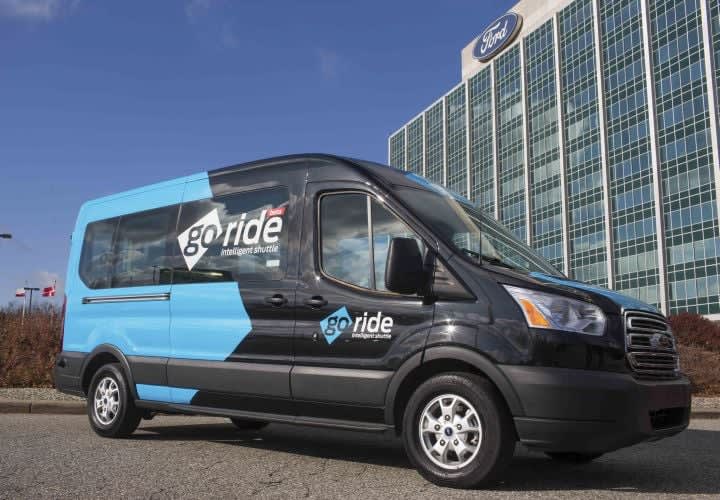
Photo courtesy of Ford.
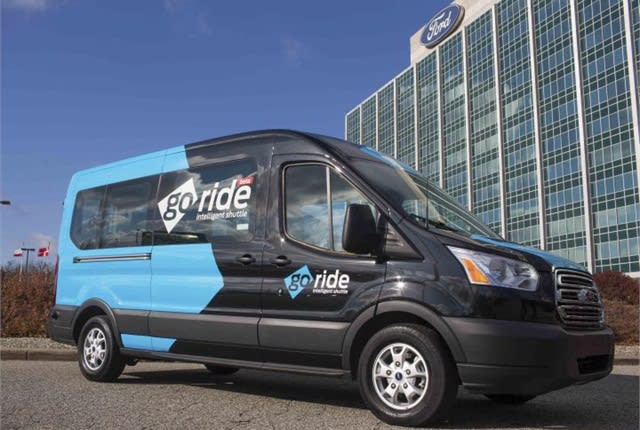
Photo courtesy of Ford.
Ford is piloting an on-demand Dynamic Shuttle service for its Dearborn, Mich., employees this month, providing a new mobility solution featuring smart ride-hailing technology with premium customized shuttles, applying insights from earlier experiments and research with global urban commuters.
Dynamic Shuttle — a Ford Smart Mobility experiment announced in January — supports the company's broader effort to change the way the world moves. Ford Smart Mobility is the company’s plan to take connectivity, mobility, autonomous vehicles, the customer experience, and data and analytics to the next level.
Providing a platform to test new ideas, the pilot ultimately could help Ford develop mobility solutions to improve the lives of people in cities struggling with traffic gridlock and few public transit options.
The company is piloting Dynamic Shuttle with four Ford Transit vehicles. The program is expected to expand to more shuttle vehicles in Dearborn to potentially increasing ridership as Ford tests the performance of the software and gathers fleet data.
The Ford shuttle service will begin processing customer ride requests on the new platform as it gradually migrates from its dispatch-based platform. A mobile-friendly Web portal and smartphone application will be available to riders next quarter.
The convenience of Ford’s Dynamic Shuttle will allow people to summon point-to-point rides on-demand.
Once a mobile-based ride request is made, the Ford-developed software immediately determines the shuttle best suited to address the request without extending the travel time of riders already aboard.
It then sends the rider an offer detailing proposed pick-up time and maximum duration of the trip, which the requester can accept or decline. If accepted, the request is dispatched to the shuttle driver’s navigation interface, along with the most efficient route to complete the requests of all riders in the timeliest manner.
In developing the software, Ford’s technology team also crafted the ideal shuttle vehicle.
Each Ford Transit shuttle has been adapted to carry six to eight passengers. Customer findings shaped the best vehicle height for easy on-boarding and off-boarding, as well as rider-requested amenities including complimentary Wi-Fi, USB charging ports for each seat and personal storage space.
Research teams surveyed people in various cities around the world to understand how consumer attitudes and needs vary from region to region. In the United States and United Kingdom, this included conducting research in different-sized cities – Atlanta, New York, Edinburgh and London. They also took into account growing national economies, studying Rio de Janeiro and São Paulo in Brazil, along with Chennai and Mumbai in India.
Researchers found that many people requesting pick-up at their residence were willing to walk a short distance to a neutral location – both to make the service more efficient for others and to afford greater privacy for themselves.
The concept sounds simple enough. But to operate seamlessly, Dynamic Shuttle requires global collaboration among Ford teams – groups studying people’s commuting behaviors, developing software and designing vehicles to craft the ultimate ride-sharing experience.
Initially available exclusively for Ford’s Dearborn campus, Dynamic Shuttle benefits could one day extend to other locations and to more applications, including delivery services, emergency medical transportation and beyond.
Originally posted on Automotive Fleet
More Operations
Family Ties Inside the Fleet Families Building Careers Across Generations
Three fleet families share what it really takes to work together, learn across generations, and keep business from following them home.
Read More →
Shades of Fleet Call for Voices: Fleet's Hidden Heroes
Fleet’s hidden heroes are often the ones keeping everything moving behind the scenes. September’s Shades of Fleet is looking for dispatchers, coordinators, parts specialists, and other support pros to share their stories.
Read More →
Truck Centers, Inc. Celebrates National Truck Driver Appreciation Week with $1,000 Fuel Card Giveaways
During National Truck Driver Appreciation Week, Truck Centers, Inc. is offering customers a chance to fuel up for free. Customers at all Truck Centers locations can enter to win one of four $1,000 fuel cards from Sept. 14 - 18.
Read More →
Fleet Guides, AI Time-Savers, Truck Tariffs & Fuel Strategy Lead the News
This week’s Truck Chat Cheat Sheet covers new fleet vehicle guides, practical AI use cases, U.S.-Canada truck production, mixed-energy strategy, and more.
Read More →
What Fleet Employers Are Missing When Hiring Veterans
What if some of the strongest candidates for fleet are already out there, but their experience is written in a language our industry does not always recognize?
Read More →
Automotive Fleet Opens 2026 Personal Use Survey for Commercial Fleet Managers
Less than two weeks left! Commercial and corporate fleet managers are invited to share how their organizations handle company vehicle personal-use policies, charges, and driver eligibility.
Read More →
What Resilient Fleets Do Differently When Conditions Change
Fleet resilience is about more than reacting to disruption. Lauren Fletcher talks with AP Fleet’s Alex Coveney about flexibility, planning, scaling, and what helps fleets adapt when business conditions shift.
Read More →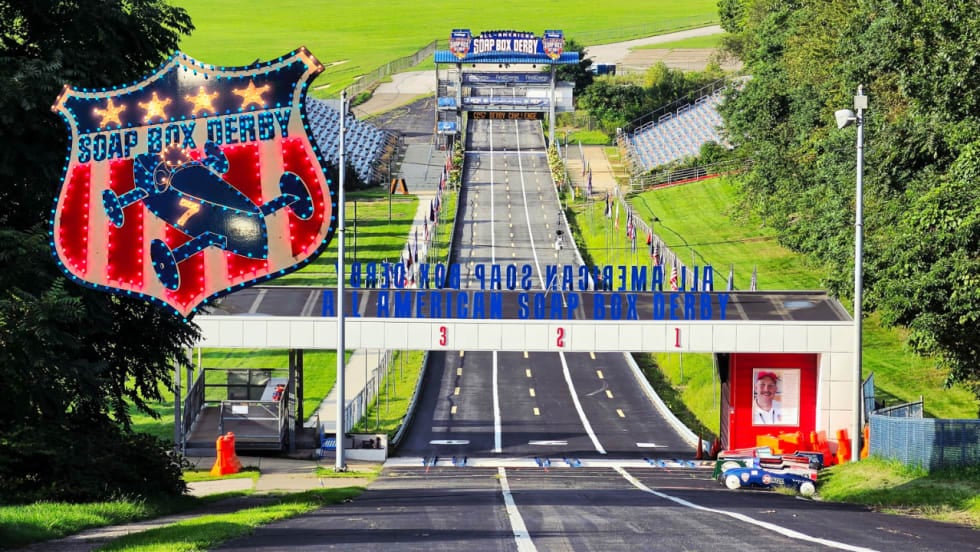
If We Want the Next Generation in Automotive, We Have to Give Them a Reason to Care
The automotive industry talks constantly about its workforce shortage. But before we can recruit the next generation, we may need to do a better job giving kids a reason to care about automotive in the first place.
Read More →
Ram ProMaster City Under $40K, Truck Tariffs, and AI Maintenance Lead the News
A sub-$40K commercial van, tariff questions, AI-powered maintenance, and a new EV production strategy headline this week’s Truck Chat Cheat Sheet.
Read More →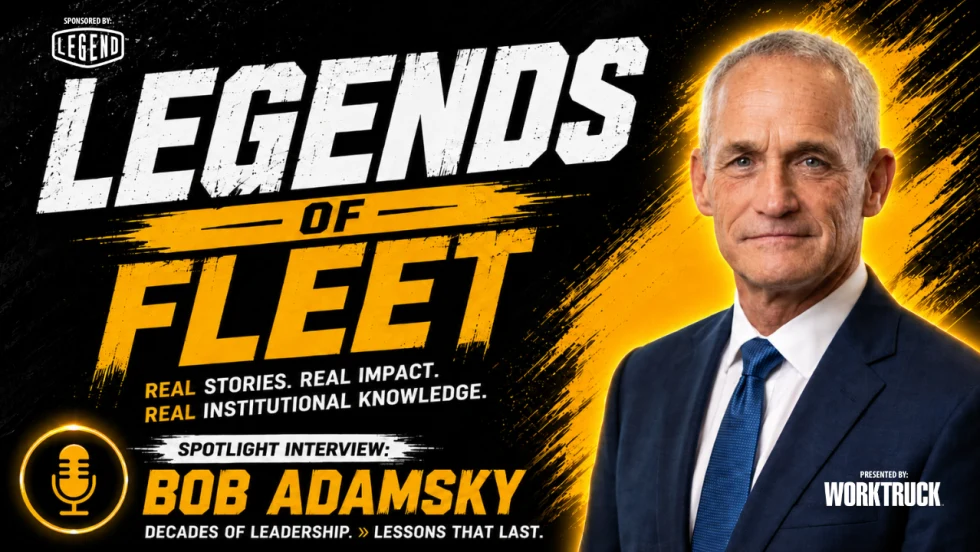
Bob Adamsky Shares the Fleet Lessons You Usually Learn the Hard Way
After more than 30 years in fleet, Arrow International’s Bob Adamsky has learned that the job is about far more than vehicles. He shares the lessons he wishes every fleet manager could learn a little earlier.
Read More →