




Ford Hands-Free Liftgate Tested Against Life's Hazards
DEARBORN, MI – The hands-free liftgate available on the all-new Ford Escape faced torrential downpours, dogs, and bouncing balls among other tests to make sure the back end only opens when the customer wants.
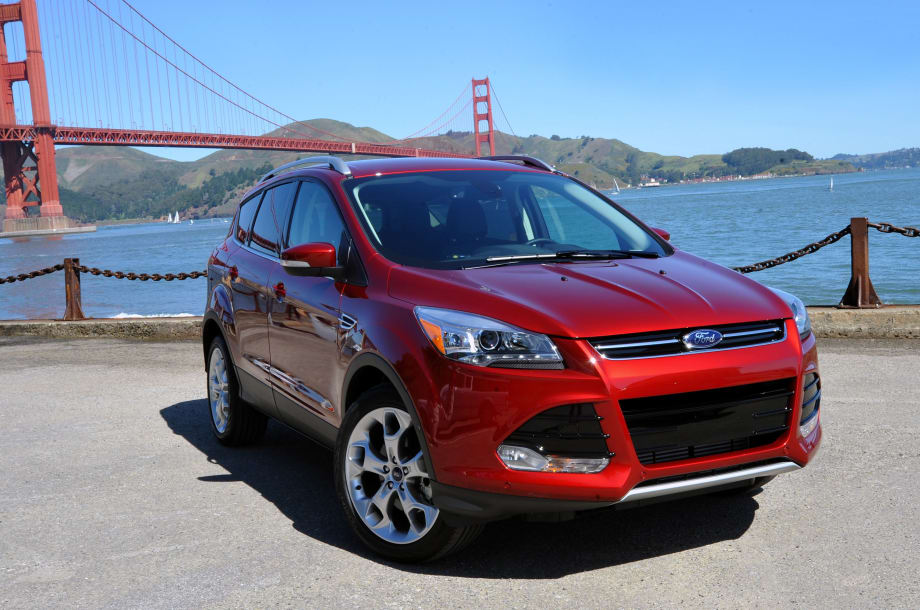
2013 Ford Escape
DEARBORN, MI – The hands-free liftgate available on the all-new Ford Escape faced torrential downpours, dogs, and bouncing balls among other tests to make sure the back end only opens when the customer wants.
A gentle kicking motion under the center of the rear bumper activates, unlocks and raises the liftgate when the driver has the Escape key fob in their hand, pocket or bag. This allows quick and easy access to the cargo area without needing to set down packages or dig around for keys. The same motion closes the hatch.
The system safeguards against accidental openings by being programmed to open with leg motion and the breaking of a miniature electric field – not when a ball rolls under the car or when the vehicle hits a bump on the road.
“We tested the system in various settings, including at minus 40 degrees Fahrenheit in our climate chamber to freeze the bumper,” said Dominik Nical, a Ford engineer in Germany who oversaw testing. “We saw no unintended openings, and it still opened when the test subject needed it to.”
Nical said Ford and system supplier Brose tested the Escape in numerous environmental conditions ranging from extreme cold snow to high heat and monsoon-like rain.
Errant balls and shopping carts
Besides Mother Nature, the system was also tested numerous times against errant shopping carts hitting the rear of the Escape, a bouncing basketball going under the liftgate, a dog running underneath the bumper and someone polishing the rear bumper. None of these scenarios caused the liftgate to open.
“The system is very robust,” Nical noted. “It is designed to detect a kicking motion without deploying when other scenarios occur, making the customer confident in the technology.”
In fact, Ford engineers even employed individuals passing by on the street in Dearborn to help the calibration process by providing “sample kicks,” Nical added.
The secret lies within how the software is calibrated, according to engineers who designed the system. The sensors, located between the tailpipes, detect both the shin and kicking motion of the key holder. The combination of that motion and the signals sent between the vehicle and the key fob activates the system.
For now this feature is only available on the all-new Escape but has potential to improve other touch and gesture technology that Ford is testing.
View a video on this product below:
More Operations
A buyer's guide to fleet management software in 2027
Buying fleet management software in 2027 means looking beyond features and price. As fleet operations, technology and expectations evolve, this guide explores what today’s fleet professionals should consider when choosing a system that can deliver value now and adapt to what comes next.
Read More →
How to Build a Lasting Fleet Career by Staying Curious and Connected
Tina Kourakos never planned on a career in fleet. More than 30 years later, she says curiosity, strong relationships, and a willingness to keep learning helped turn an unexpected assignment into a career spanning fleet management and OEM leadership.
Read More →
Think You Know Trucks? Take Our 19-Question Fleet Trivia Challenge
From chicken lights to diesel engines and trucking history, test your knowledge with 19 questions from the 2026 Work Truck Exchange and Heavy Duty Trucking Exchange.
Read More →From Our Partners
Basic Tracking vs Next Generation Fleet Technology
Sponsored by AT&T Business
5 Facts Every Fleet Manager Should Know About Embedded Telematics
Sponsored by Stellantis/Mobilisights
How AI Video Telematics Boosts Driver Safety and Helps to Avoid Unnecessary Costs
Sponsored by Verizon Connect
Charting the 8 Bottom-Line Benefits of Workforce Optimization
Sponsored by Verizon Connect

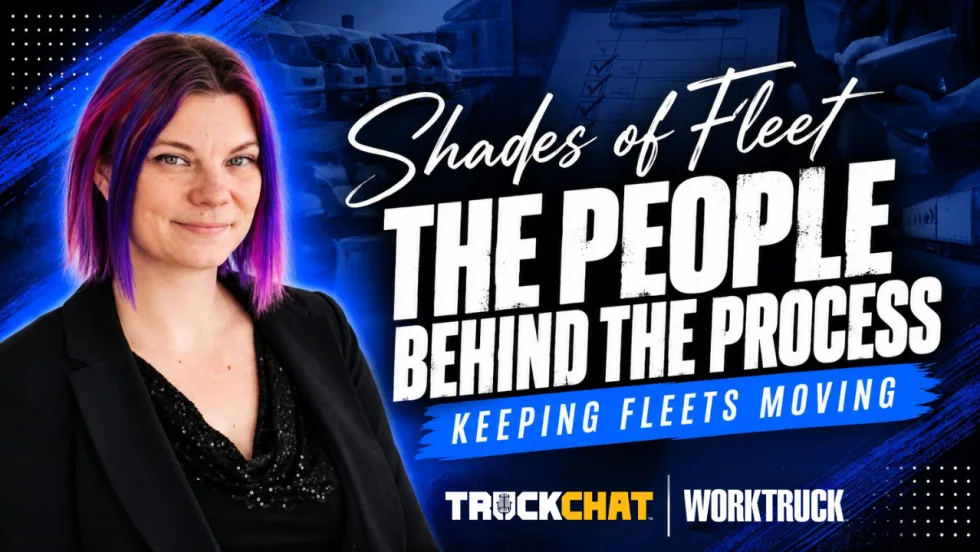
Where’s My Truck: Inside the Fleet Logistics Work Nobody Sees
Shades of Fleet video thumbnail featuring Lauren Fletcher beside the text “The People Behind the Process, Keeping Fleets Moving,” with fleet vehicles and logistics imagery in the background.
Read More →
Work Truck Seeks Fleet and Industry Insights on 2026 Trends and 2027 Forecasts
Work Truck is seeking insights from fleet leaders and industry partners on the trends that shaped 2026 and what commercial fleets should prepare for in 2027. Participate today!
Read More →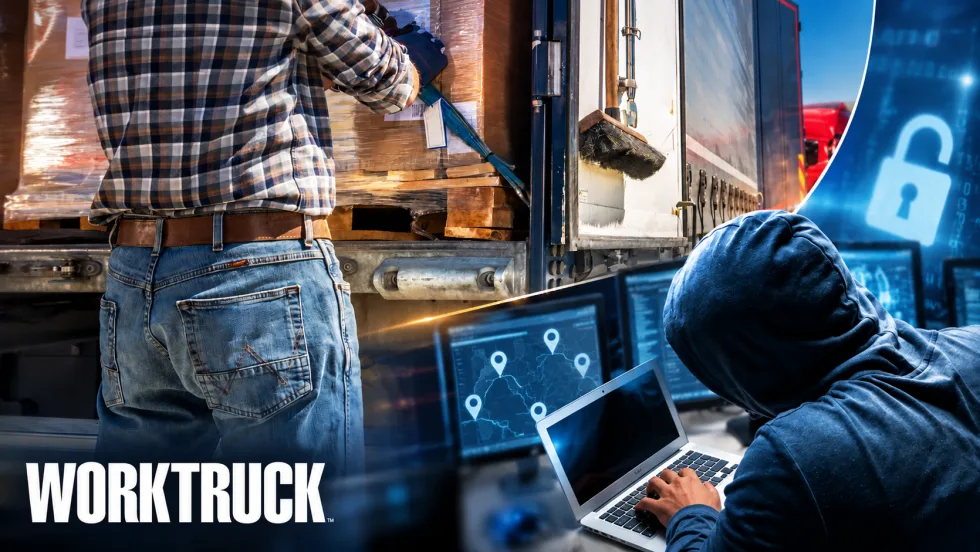
It's 10 p.m... Do You Know Who Has Access to Your Fleet?
Preventing cargo theft requires investment in technology, operational processes, and employee training. In an industry with tight margins, it can be difficult to justify investments whose value is measured by incidents that might never occur.
Read More →
GeoFencing Adds to Your Truck Security Arsenal
Geofencing is a familiar fleet tool today, but its early adoption marked a major shift in vehicle tracking, route monitoring, and the debate over employee privacy.
Read More →
Truckers’ Strike Rumors, New GM Engines, and Hidden Idling Costs Lead This Week’s News
Truckers’ strike rumors, GM’s new 2027 engines, hidden idling costs, racing lessons, IRP rules, and more headline this week’s Truck Chat Weekly Cheat Sheet.
Read More →
Shades of Fleet Wants to Hear From You About Building a Culture of Care
Fleet leaders, we want to hear from you. Share how empathy, trust, and creating space for people can strengthen your team, improve performance, and support retention.
Read More →
What Racing Can Teach Work Truck Fleets About the Work Nobody Sees
Race car driver and mechanical engineer Isaac Johnson shares practical lessons on preparation, relationships, setbacks, and building teams that perform when it counts.
Read More →