





You may also like: Ford Launches New EV Management and Vehicle Monitoring Tools
Ford E-Transit Starts Under $45,000, Has Estimated 126-Mile Range
The all-electric 2022 E-Transit will be available with a starting price under $45,000 and features a targeted maximum payload of 3,800 pounds with up to 487.3 cubic feet of cargo space.
November 12, 2020
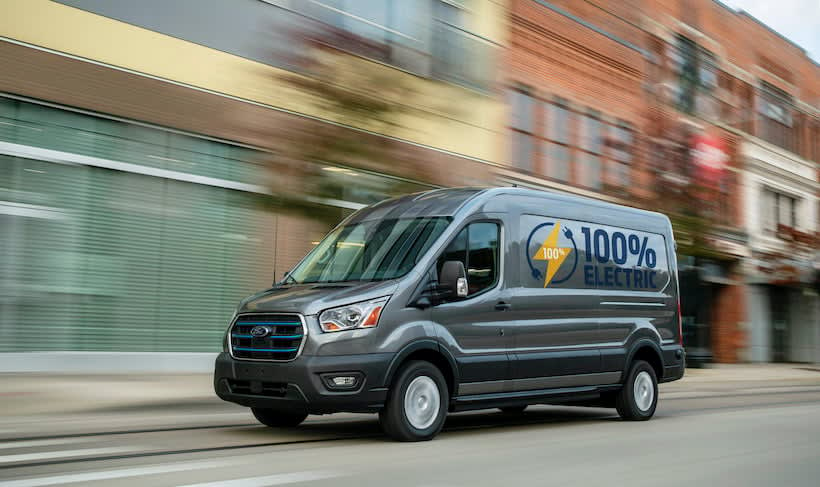
The all-electric 2022 E-Transit will be available with a starting price under $45,000 and features a targeted maximum payload of 3,800 pounds with up to 487.3 cubic feet of cargo space.
Photo: Ford
4 min to read
Ford has announced that the all-electric 2022 E-Transit will be available with a starting price under $45,000 and features a targeted maximum payload of 3,800 pounds with up to 487.3 cubic feet of cargo space.
The E-Transit is powered by a usable battery capacity of 67 kilowatt-hours, and will deliver an estimated range of 126 miles in the low-roof cargo van variant, Ford announced. It will be available with a choice of three roof heights and three body lengths, as well as cargo, cutaway, and chassis cab versions.
Cutaway versions of the E-Transit will feature a maximum payload up to 4,290 pounds.
In a press briefing on Thursday, Ford addressed why it chose a single battery offering with a usable battery capacity of 67 kilowatt-hours. Yaro Hetman, global director of electric trucks and vans for Team Edison said that the average daily range for a cargo van in the U.S. is 74 miles.
“We’ve done our homework with our commercial customers and they know exactly what they need,” said Hetman. “They won’t pay for range they don’t need.”
Regarding the maximum payload of 3,800 lbs. for the non-cutaway version of the E-Transit, “That payload meets the needs of the vast majority of customers,” Hetman said, adding that the battery placed fully underneath the van allows for the same cargo space flexibility as the ICE-powered Transit.
While the passenger van Transit is not initially included in the E-Transit program, Ford isn’t ruling it out adding it in the future.
“We wanted to start with the segments experiencing rapid growth, such as e-commerce delivery, and that’s what we’re going to address first,” said Ray Eyles, chief program engineer, Ford Transit Vans.
Ted Cannis, general manager North American Commercial Business at Ford pointed out that Ford intends to reach the entire commercial segment at scale, but that package delivery still represents less than 10% of Ford’s commercial business today.
“The much bigger component for E-Transit will be our service and maintenance customers, the contractors and plumbers,” Cannis said. “They need the right tool for the job, and the E-Transit will fit their needs.”
There are 13 upfitters located within 30 miles of the Kansas City Assembly Plant where the new E-Transit will be built, which is also where the ICE Transit is manufactured, and will help remove the need for an upfit after delivery, according to the automaker.
With batteries placed under the vehicle, the E-Transit will have the same cargo capacity as today’s gas-powered Transit. “If you stand in the back of the van, you’ll have no idea if it’s electric, gasoline, or diesel powered,” Hetman said.
The E-Transit features both AC and DC fast charging, coming standard with a Ford mobile charger that can plug into a normal 120-volt outlet for slow and steady charging or into a 240-volt outlet for faster charging, according to Ford. It also features an optional Pro Power Onboard generator, which provides up to 2.4 kilowatts of power that can serve as a mobile generator for powers tools and equipment.
Available data subscriptions are accessible via the standard 4G LTE modem. Ford will offer a range of dedicated electric vehicle services through Ford Commercial Solutions, including electric vehicle data enhancements from Ford Telematics and Ford Data Services. It will also feature charging reports that enable fleet managers to reimburse drivers who bring their vans home in the evening.
The 2022 E-Transit is backed by Ford’s network of more than 1,800 global commercial vehicle dealers, including 645 commercial vehicle centers across the U.S. – about 90% of which are electric vehicle-certified, Ford revealed.
According to Ford, scheduled maintenance costs for the all-electric Transit are estimated to be 40% less than the average scheduled maintenance costs for a gas-powered 2020 Transit over eight years or 100,000 miles.
The E-Transit will also be equipped with standard Ford Co-Pilot360 technologies, including lane-keeping system and pre-collision assist with automatic emergency braking. Other available features include blind spot information system with blind spot assist, a 360-degree camera and reverse brake assist and intelligent adaptive cruise control with speed sign recognition and intelligent speed assist.
New EV Monitoring Tools
Upon launch of the E-Transit, customers will also get new EV monitoring tools to manage energy usage and gain key insights into E-Transit’s performance. Ford Commercial Services is launching the tools through a web-based interface and smartphone app.
The new electric vehicle tools allow fleet operators to monitor electric vehicle-specific data such as kWh consumption, charge speed, and distance to empty.
The tools also enable remote cabin pre-conditioning, so fleet operators can optimize cabin temperatures while E-Transit is plugged in to optimize battery efficiency, according to Ford.
Alerts notify managers if a vehicle isn’t plugged in when it’s scheduled to be, while other tools let them remotely manage transactions for public charging and receive reporting to support reimbursement for employees who charge at home.
Topics:Battery-Electric VehiclesLast-Mile DeliveryFordFord TransitCargo VansGreen FleetVehicle InsightsSmall Fleet
Originally posted on Automotive Fleet
More Green Fleet

Fleet Forward Conference Introduces One-Day Passes for 2026
New one-day registration gives fleet professionals the flexibility to attend Tuesday, Wednesday, or Thursday, with passes available for $199 through Sept. 18.
Read More →
CALSTART Rebrands as Catalyst Mobility, Will Combine with Forth in 2027
CALSTART has rebranded as Catalyst Mobility and will combine with Forth at the start of 2027. The new organization said it is poised to become one of the world's largest, strongest, and most impactful clean transportation nonprofits.
Read More →
Electric Truck and Charging Programs to Boost Sustainability at NY & NJ Ports
Together, the Port Authority of New York and New Jersey and CALSTART will electrify drayage and terminal operations serving the East Coast’s busiest container port. A pair of incentive programs totaling $45 million has launched to accelerate adoption of zero-emission drayage trucks and terminal tractors.
Read More →
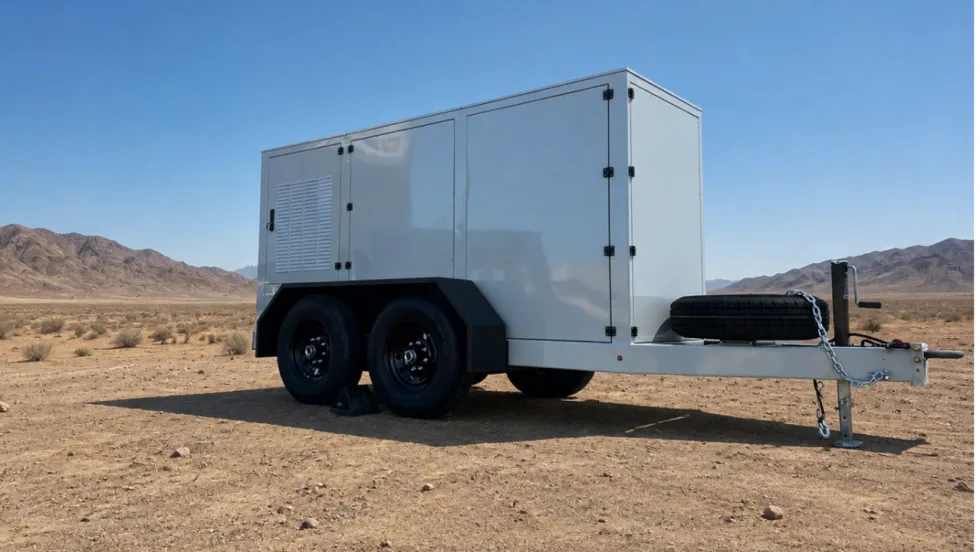
Xos Hub Surpasses One Gigawatt-Hour of Energy Delivered in the Field
A single Xos Hub has surpassed one gigawatt-hour of energy across more than 33,600 charging sessions in the field, demonstrating performance that supports Xos' expansion across new products and markets.
Read More →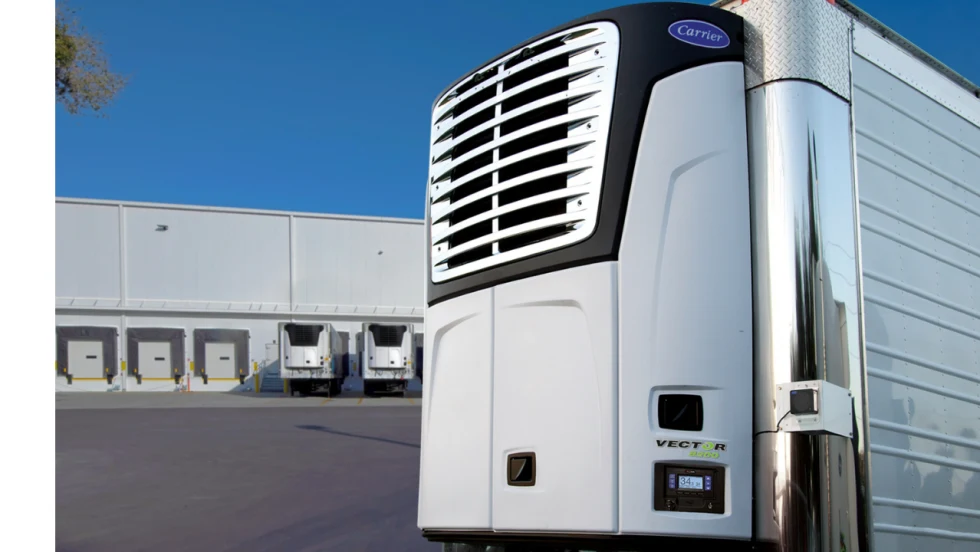
Carrier Transicold Launches All-Electric Vector 8200 TRU for Diesel-Free On-Site Cold Storage
Carrier Transicold’s first engineless multi-temperature TRU helps fresh- and frozen-food fleets add supplemental cold storage capacity during seasonal peaks.
Read More →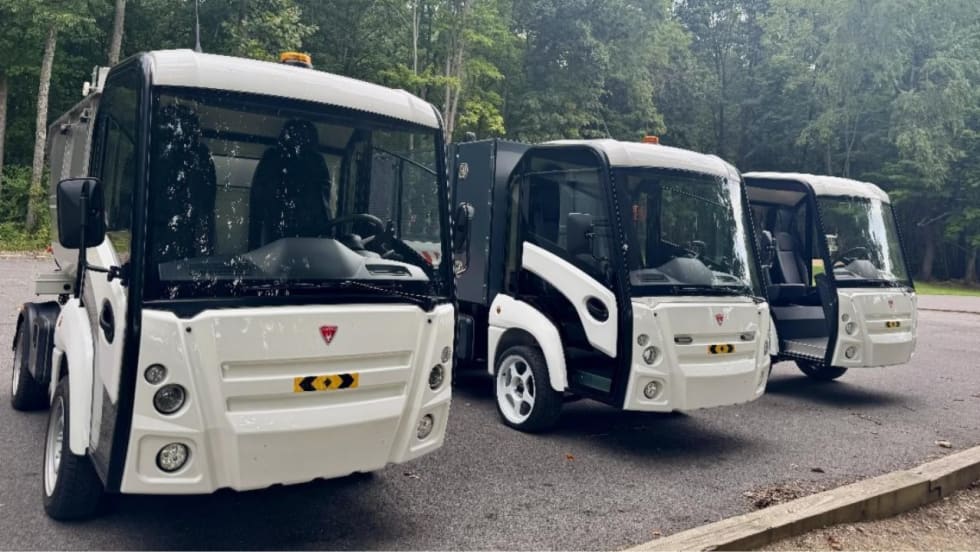
Narro Trucks Introduces Electric Utility Vehicle
Narro Trucks officially launched its operations on Aug. 20 and hosted a ride and drive to showcase its electric truck, which will be produced in Virginia.
Read More →
Samsung SDI Takes Full Control of GM Battery JV as Indiana Plant Pivots to Energy Storage
Samsung SDI is taking full control of its Indiana battery plant with GM, marking a major shift from the EV-focused joint venture Charged Fleet first covered in 2023.
Read More →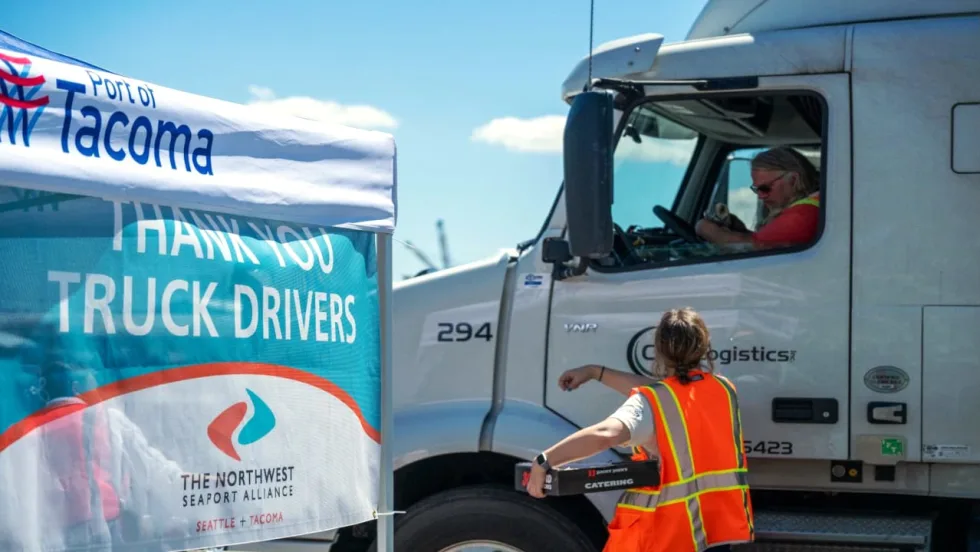
NWSA Taps CALSTART to Administer Zero-Emission Drayage Assistance Program
CALSTART will provide free technical assistance services to drayage fleets serving the Ports of Seattle and Tacoma and looking to transition to cleaner technologies and help decarbonize freight hubs.
Read More →
EV Fleet Reality Check: What Operators Wish They Knew Before Electrifying Their Work Vans
Electric work truck upfits bring new compatibility questions. Learn how parts availability, OEM guidance, power demands, and route planning can affect fleet performance.
Read More →
Peterbilt Expands Sourcewell Partnership with Electric Vehicle Lineup
Peterbilt Motors Company’s cooperative purchasing agreement with Sourcewell and its Canadian partner, Canoe Procurement Group, now includes including Peterbilt's battery-electric vehicle lineup.
Read More →