





Related: Will Electric Trucks Charge Ahead?
First Look: Tesla's All-Electric Semi Truck
Tesla’s new electric truck is a Class 8 daycab that features a highly aggressive aerodynamic design and all-electric drivetrain, and Elon Musk promises a 500-mile range. "You can go out to the middle of nowhere and come back." HDT's Jack Roberts is at the launch and has this report.
November 17, 2017
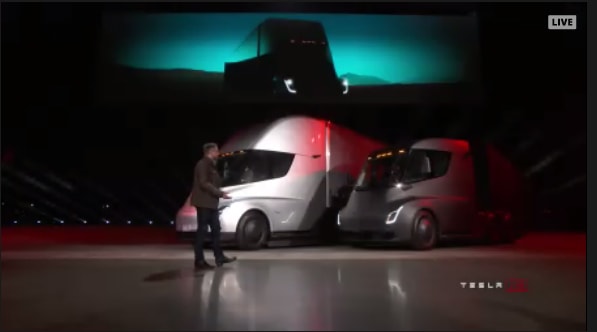
Screen shot from Tesla's live feed unveiling its electric semi.
5 min to read
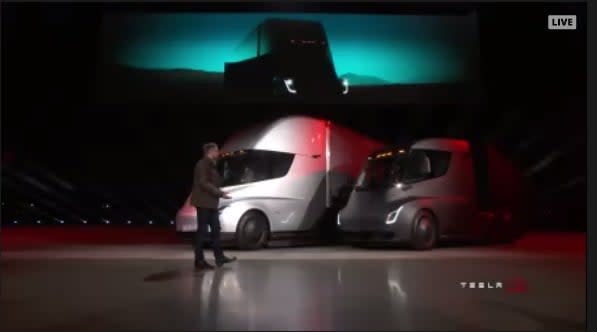
Screen shot from Tesla's live feed unveiling its electric semi.
LOS ANGELES – The highly anticipated Tesla electric semi has finally arrived. And, as hinted, teased and promised these many past months, it is a potential game-changer — and quite possibly a disruptive vehicle for trucking in many ways.
Tesla chose to launch the truck at its SpaceX facility in the Los Angeles suburb of Hawthorne, with more than 1,000 journalists in attendance from around the globe. Security was incredibly tight as journalists were taken in small groups to a small hanger, where two Class 8, all-electric daycab models were on display with engineers on hand to explain various vehicle systems and features.
Highlights from the unveiling event:
• Tesla chief Elon Musk promised a 500-mile range. "You can go out to the middle of nowhere and come back."
• 400 miles charge in 30 minutes, leveraging a global network of "megachargers"
• Electric drivetrain guaranteed for 1 million miles, and brake pads may last as long as truck
• Musk said diesel trucks are 20% more expensive per mile than the Tesla semi in total cost of ownership.
• Enhanced Autopilot will be standard.
• Production to begin in 2019.
A Tesla Semi Walk-Around
While the initial vehicle walk-around focused on a very high-level view of the truck, there’s still a lot of information available.
For starters, the unveiled truck very closely resembles the now-familiar blacked-out teaser photos that Tesla released months ago. This includes a highly aggressive aerodynamic design dominated by a Corvette-like front end and a steeply sloped hood. Remember, there is no internal combustion engine at the front of this truck, which allowed Tesla engineers to completely rethink its configuration with an emphasis on safety and visibility. One particularly slick feature is the LED marker lights at the top of the cab, which are located behind the windshield and shine through a darkened strip at the top, keeping them completely protected from the elements.
The massive batteries that power the truck are located directly underneath the cab, while the electric motors they power are arranged between the frame rails behind the cab and running under and aft of the fifth wheel. Tesla says these are the same electric motors found in Tesla Model 3 cars. One electric motor powers each drive wheel-end. The motors are computer controlled and can deliver electrical power individually based on tractive requirements, a trait that Tesla says gives the truck “fantastic” traction in a variety of road conditions and excellent lateral stability and handling at highway speeds.
The cab of the Tesla truck features an array of innovations and design departures backing up Tesla’s claim that the truck is a clean-sheet, “ground-up” design. The extremely tall, 8-foot-high doors of the cab are located farther back than conventional truck designs and swing open toward the rear of the vehicle in a “suicide” style. This is to keep the door hinges flush inside the cab body and maintain the overall slippery aerodynamic profile of the truck. Entry is as easy as climbing up the porch steps into your house, with two sturdy grab-handles on either side to help out.
You enter the cab behind the center-positioned driver’s seat, which can be accessed easily from either side of the truck. The cab interior is incredibly spacious and allows a 6-foot-tall person to stand comfortably thanks to the high-roof ceiling, which is at least 71 inches in height. This is a day cab truck, so a jump seat is mounted to the back wall of the “passenger” side of the truck.
The driver’s station is a revelation in itself. The seat features a memory air-ride system and is extremely comfortable. There is no dash in front of the seat. There is no conventional transmission selector, either. In all, it is a strikingly Spartan, uncluttered design that is focused on expansive exterior views in front and to the sides of the truck.
In place of a conventional dashboard, the driver has two Tesla screens mounted on either side at the 10 o’clock and 2 o’clock positions that display all vehicle information and allow the driver to control all the vehicle systems. Both screens feature side-and-downward camera views on their bottom sections, which allow the driver to see persons or obstacles on or near the steps leading up into the cab. Tesla says the truck can easily upload an ELD that drivers can access on the display screens as well, and the entire system was designed to be expandable as new technologies, such as blockchain, become available.
These screens, which are highly reminiscent of handheld tablet computers, are highly configurable. In the version displayed in Hawthorne, the left-side tablet displayed all pertinent vehicle operating information, such as battery range, speed, and air pressure. The right-side screen was dedicated to a Google maps GPS display and other vehicle systems such as lighting and climate control.
The cab gets wider the farther back the cab goes, but the nose of the truck, where the driver sits, features pop-open windows on either side with enough space to pass a clipboard through, as well as cup holders and comfortable armrests. The steering wheel setup is arresting, too. Instead of the usual wide-diameter wheels common in big rigs today, the pedestal-mounted Tesla wheel is positively tiny — more like something you’d find in a Formula 1 race car than a semi truck. The cab features ample storage places to the sides, above and behind the driver.
Tesla says the truck was designed with as few moving parts as possible to minimize maintenance costs and features a regenerative braking system that, in addition to recharging the truck’s batteries, reduce brake wear.
Originally posted on Automotive Fleet
More Green Fleet

Fleet Forward Conference Introduces One-Day Passes for 2026
New one-day registration gives fleet professionals the flexibility to attend Tuesday, Wednesday, or Thursday, with passes available for $199 through Sept. 18.
Read More →
CALSTART Rebrands as Catalyst Mobility, Will Combine with Forth in 2027
CALSTART has rebranded as Catalyst Mobility and will combine with Forth at the start of 2027. The new organization said it is poised to become one of the world's largest, strongest, and most impactful clean transportation nonprofits.
Read More →
Electric Truck and Charging Programs to Boost Sustainability at NY & NJ Ports
Together, the Port Authority of New York and New Jersey and CALSTART will electrify drayage and terminal operations serving the East Coast’s busiest container port. A pair of incentive programs totaling $45 million has launched to accelerate adoption of zero-emission drayage trucks and terminal tractors.
Read More →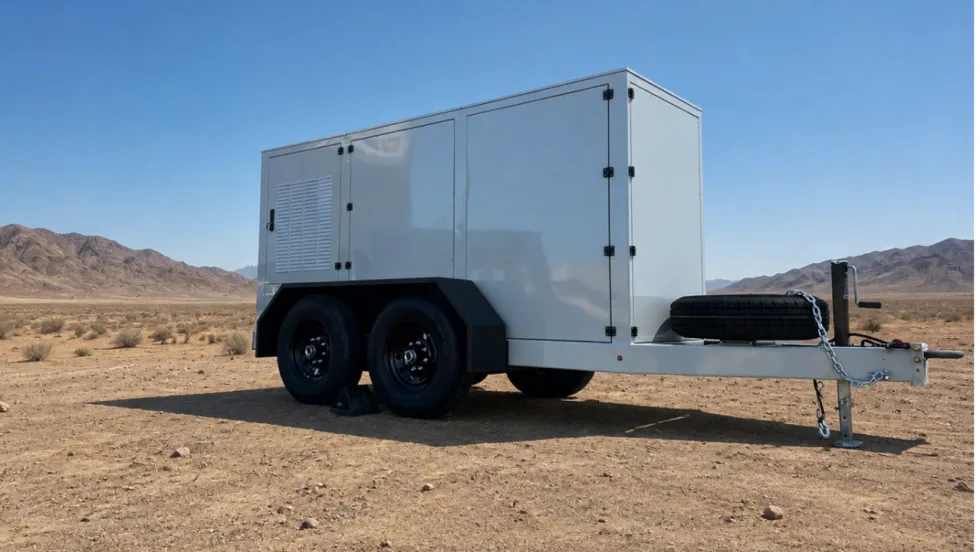
Xos Hub Surpasses One Gigawatt-Hour of Energy Delivered in the Field
A single Xos Hub has surpassed one gigawatt-hour of energy across more than 33,600 charging sessions in the field, demonstrating performance that supports Xos' expansion across new products and markets.
Read More →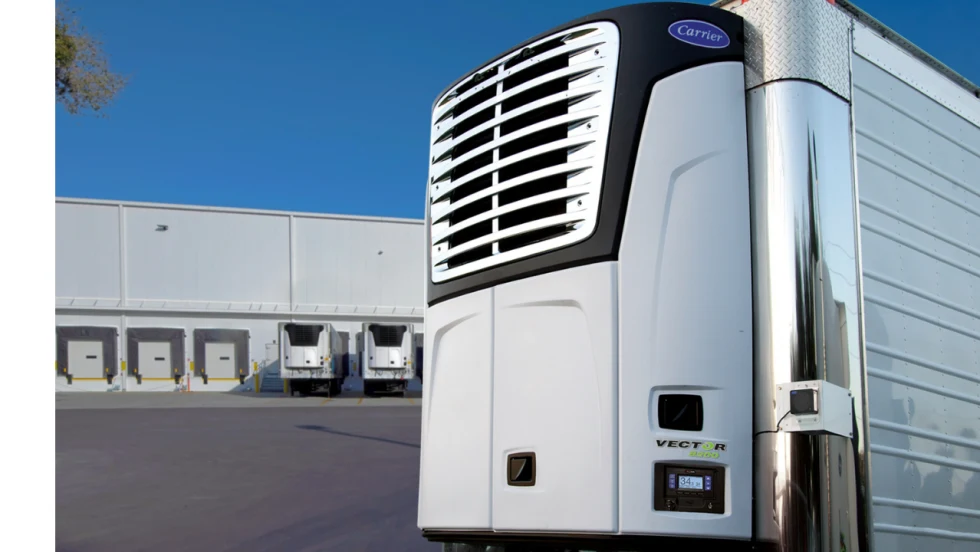
Carrier Transicold Launches All-Electric Vector 8200 TRU for Diesel-Free On-Site Cold Storage
Carrier Transicold’s first engineless multi-temperature TRU helps fresh- and frozen-food fleets add supplemental cold storage capacity during seasonal peaks.
Read More →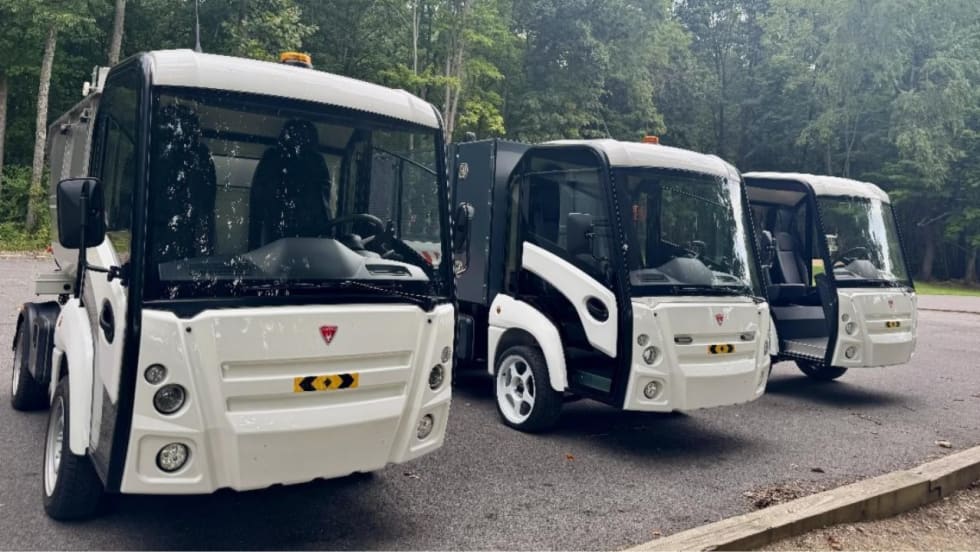
Narro Trucks Introduces Electric Utility Vehicle
Narro Trucks officially launched its operations on Aug. 20 and hosted a ride and drive to showcase its electric truck, which will be produced in Virginia.
Read More →
Samsung SDI Takes Full Control of GM Battery JV as Indiana Plant Pivots to Energy Storage
Samsung SDI is taking full control of its Indiana battery plant with GM, marking a major shift from the EV-focused joint venture Charged Fleet first covered in 2023.
Read More →
NWSA Taps CALSTART to Administer Zero-Emission Drayage Assistance Program
CALSTART will provide free technical assistance services to drayage fleets serving the Ports of Seattle and Tacoma and looking to transition to cleaner technologies and help decarbonize freight hubs.
Read More →
EV Fleet Reality Check: What Operators Wish They Knew Before Electrifying Their Work Vans
Electric work truck upfits bring new compatibility questions. Learn how parts availability, OEM guidance, power demands, and route planning can affect fleet performance.
Read More →
Peterbilt Expands Sourcewell Partnership with Electric Vehicle Lineup
Peterbilt Motors Company’s cooperative purchasing agreement with Sourcewell and its Canadian partner, Canoe Procurement Group, now includes including Peterbilt's battery-electric vehicle lineup.
Read More →