





Related: Feds Schedule Hearings on Trump's Fuel Economy Plan
FCA: Fuel Economy Rules Should Change to Reflect SUV Popularity
Fiat Chrysler Automobiles and Ford Motor Co. came out against President Trump's bid to relax strict fuel economy standards approved during the Obama administration, but said the initial rules didn't consider increasingly popular utility sales and continuing lower fuel prices.
September 25, 2018
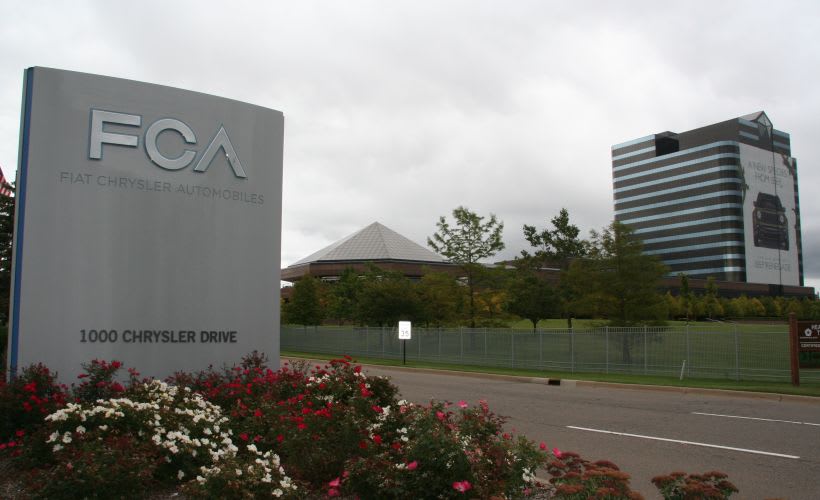
Fiat Chrysler Automobiles and Ford Motor Co. have said they support changing strict fuel economy standards approved during the Obama administration.
Photo courtesy of FCA.
3 min to read
Fiat Chrysler Automobiles and Ford Motor Co. came out against President Trump's bid to relax strict fuel economy standards approved during the Obama administration, but said the initial rules didn't consider increasingly popular utility sales and continuing lower fuel prices, the automaker said in feedback submitted as part of the public review.
The U.S. Environmental Protection Agency and National Highway Traffic Safety Administration began hearings this week, including one in Dearborn, Michigan on Tuesday, on Trump's SAFE (Safer Affordable Fuel-Efficient) Vehicles rule that would roll back fuel efficiency and greenhouse gas emissions standards for vehicles produced from the 2021 to 2026 model years. It would freeze Corporate Average Fuel Economy (CAFE) standards at 2020 levels for those model years. The EPA is also proposing to withdraw a waiver granted to California for the greenhouse gas and zero emissions vehicles sections of the regulations.
"In model year 2016, for the first time since the new standards were put in place, the industry as a whole could not comply with the fleet standards without using credits," said Steve Bartoli, FCA's vice president of global fuel economy, in submitted comments. "FCA supports the policy choice in favor of ongoing fuel economy improvements in the fleet, but that policy needs to be based on market realities as they have evolved since 2012."
Ford's global director of sustainability and vehicle environmental matters, Bob Holycross, echoed the sentiment, saying in his testimony that the company does not support "standing still," reports the Detroit News.
"We need a consistent, stable regulatory framework in which to make these capital-intensive investments, including policies that will help drive demand for emerging technologies," he said.
Part of why automakers have had difficulty complying with current standards without using credits is due to the higher SUV sales, because these vehicles require more energy, according to FCA.
Original forecasts showed cars increasing from 50% to 57% of annual vehicle sales by 2025. Instead, car sales fell to 36% of total sales in 2017, while sales of SUVs increased from 30% to more than 40%. Gasoline prices were predicted to be more than $4 per gallon by 2018, and today's national average price reached $2.85 on Sept. 24, according to AAA.
"A utility or crossover vehicle with the same powertrain and technology as a sedan with the same footprint will require more energy — a trade-off consumers are willing to make for the versatility of a crossover or SUV. This is a primary contributing factor to the growing industry compliance gap," according to an FCA release.
Consumers have also been reluctant to purchase the range of electrified or hydrogen-powered vehicles produced by manufacturers. In the past decade, automakers have nearly tripled the number of available electrified vehicles such as gasoline-electric hybrids, plug-in hybrid electric vehicles, battery-electric vehicles, and fuel cell vehicles. The combined market share of these vehicles has remained nearly flat at 3% and 1.5% for the most strongly electrified vehicles.
General Motors and other manufacturers haven't made their comments public about Trump's proposed rule.
Originally posted on Automotive Fleet
More Small Fleet

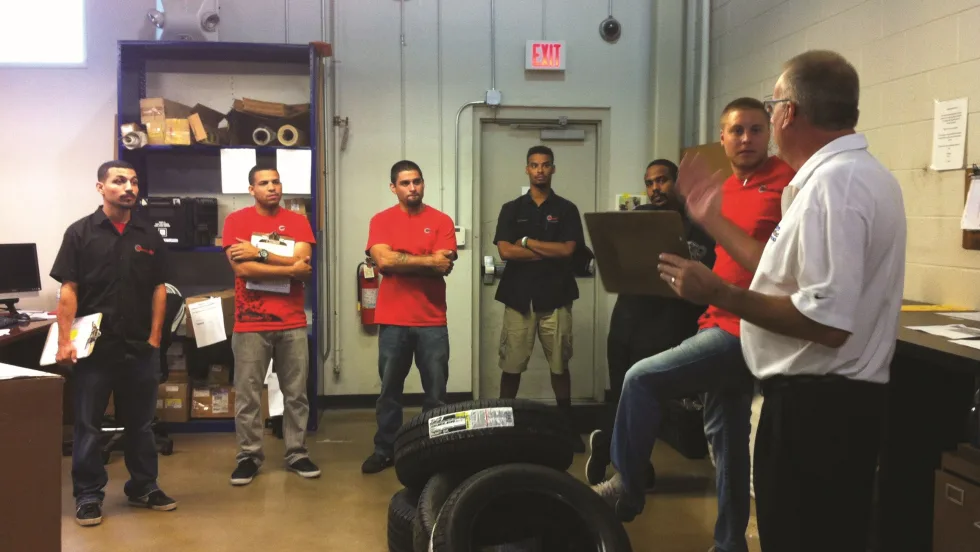
Developing Budget-Friendly Driver Safety Programs
From driver training and safety meetings to one-on-one coaching and incentive programs, several small fleets share how they have developed a safety culture with their drivers using low- to no-cost resources.
Read More →
Sponsored•March 9, 2026
Boosting Last-Mile Fleet Uptime, Safety, and Value with AI Vehicle Inspections
AI-powered inspections are transforming last-mile fleets by replacing manual checks with highly accurate automated scans that detect defects in seconds. By giving fleet operations visibility into the daily condition of their vehicles, you can identify trends over the vehicle’s lifecycle that enable improved procurement decisions, route management, driver training and accountability.
Read More →

Five Ways Seat Belts Help Prevent Injuries
There are five ways seat belts protect occupants from injuries, according to the Tennessee Department of Safety and Homeland Security.
Read More →
Sponsored•January 19, 2026
Basic Tracking vs Next Generation Fleet Technology
Fleet software is getting more sophisticated and effective than ever, tying big data models together to transform maintenance, safety, and the value of your existing tech stack. Fleet technology upgrades are undoubtedly an investment, but updated technology can offer a much higher return. Read how upgrading your fleet technology can increase the return on your investment.
Read More →
Sponsored•January 14, 2026
It’s here: The 2026 Fleet Technology Trends Report
What does AI mean for fleets? Get the answer — and learn other top tech trends.
Read More →
Small Fleets, Big Impact: How Independent Drivers Power Wreaths Across America
Check out how small fleets and independent drivers power Wreaths Across America each December and why their impact matters more than ever.
Read More →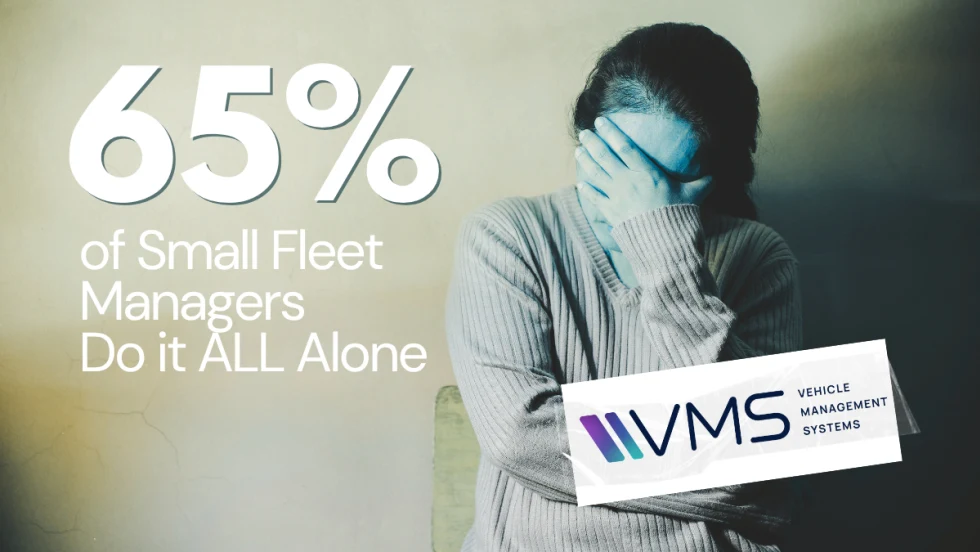
VMS Survey Finds 65% of Small Fleet Managers Run Operations Alone
A new VMS survey shows small fleet managers are stretched thin, with most handling operations solo and eager to adopt digital tools for relief.
Read More →
Tips for Driving Safely on Halloween Night
This video features a reminder from the Connecticut Department of Transportation (DOT) and the Connecticut Police Chiefs Association, urging drivers to prioritize safety this Halloween.
Read More →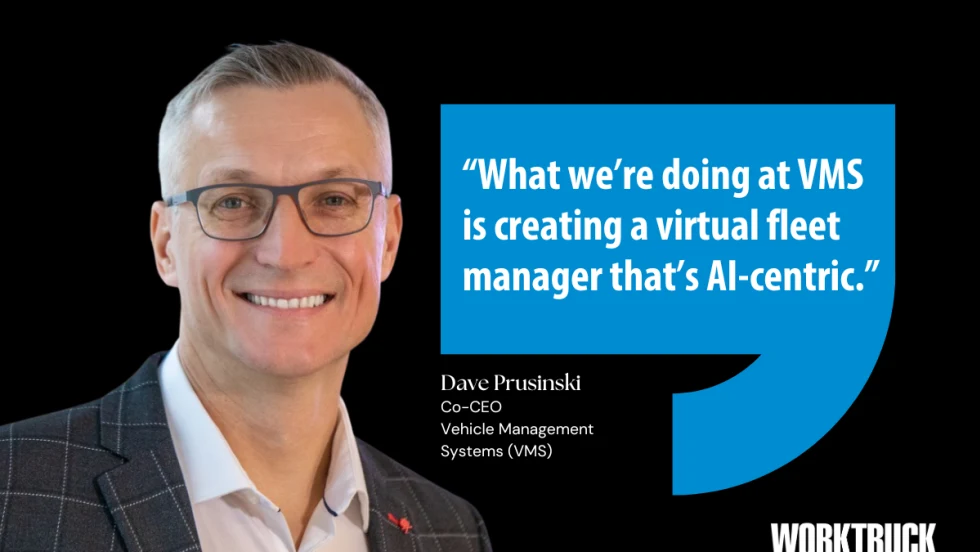
AI, Access, and Uptime: VMS’s Next Chapter with David Prusinski
VMS’s new Co-CEO, David Prusinski, shares how an AI-first approach will give small fleets and repair shops the tools to compete like big players.
Read More →