





Related item: Which States Have the Most and Least EV Chargers?
EvoCharge, Chargie Partner to Create EV Charging Network
The network will make it easy for property owners to benefit from offering service to residents, visitors, customers and employees with electric vehicles.
April 20, 2021

Turnkey hardware, software, installation and management will benefit property owners and drivers.
Photo: Rathaphon Nanthapreecha / Pexels
2 min to read
EvoCharge, a maker of electric vehicle supply equipment (EVSE) and cable management solutions, announced April 20 it has entered into a preferred network partnership with Chargie and its affiliate PCS Energy to provide complete electric vehicle (EV) charging services.
Using a combination of EvoCharge EV charging equipment, Chargie networked software and PCS Energy installation and maintenance services will make it easy for property owners to benefit from offering EV charging to residents, visitors, customers and employees. Chargie software and EvoCharge hardware are tightly integrated and OCPP certified to work together reliably to maximize charging efficiency.
“Electric vehicle charging stations were once considered an optional amenity,” said Zach Jennings, founder and CEO. “In many parts of the country, multifamily housing developments are now required to include EV charging spaces. Many existing businesses and residential complexes are opting to retrofit parking areas with EV charging stations to retain residents, reward employees and attract customers.”
Access to charging at home and work is considered a requirement by the growing number of EV owners. Chargie takes an integrated approach to meeting that demand, providing turnkey services that make EV charging simple for property owners, managers and drivers. Chargie handles everything from installation to network management and customer care, including applying for rebates and incentives from utility companies. Because the Chargie team has years of design and installation experience and knows how to navigate utility incentives, in many cases property owners pay zero upfront to get Chargie stations.
“EvoCharge’s networked charging stations support true open protocol network standards, allowing us to work with open protocol network providers such as Chargie and provide a tightly integrated charging solution to benefit property owners and EV drivers," said Josh Kiewic, vice president and general manager of EvoCharge.
Smart chargers, such as those offered by EvoCharge, use electrical local load management (LLM) features to avoid peak utility demand charges. With EvoCharge’s capabilities, significantly higher densities of EV charging stations can be installed using a building’s existing electrical capacity. Power can be distributed equally across all electric vehicles being charged or it can be distributed based on a first in, first served system. This capability maximizes the number of charging stations that can be installed on a given property and avoids cost-intensive increases in connection capacity, while preventing peak loads that often result in higher electrical charges.
The Chargie management platform makes it easy for property owners to quickly manage their entire network of EV charging stations. They can monitor usage, bill users and control maintenance from a user-friendly dashboard. Chargie’s mobile app makes managing charging sessions and seeing past charges intuitive for drivers.
Originally posted on Charged Fleet
More Green Fleet

Fleet Forward Conference Introduces One-Day Passes for 2026
New one-day registration gives fleet professionals the flexibility to attend Tuesday, Wednesday, or Thursday, with passes available for $199 through Sept. 18.
Read More →
CALSTART Rebrands as Catalyst Mobility, Will Combine with Forth in 2027
CALSTART has rebranded as Catalyst Mobility and will combine with Forth at the start of 2027. The new organization said it is poised to become one of the world's largest, strongest, and most impactful clean transportation nonprofits.
Read More →
Electric Truck and Charging Programs to Boost Sustainability at NY & NJ Ports
Together, the Port Authority of New York and New Jersey and CALSTART will electrify drayage and terminal operations serving the East Coast’s busiest container port. A pair of incentive programs totaling $45 million has launched to accelerate adoption of zero-emission drayage trucks and terminal tractors.
Read More →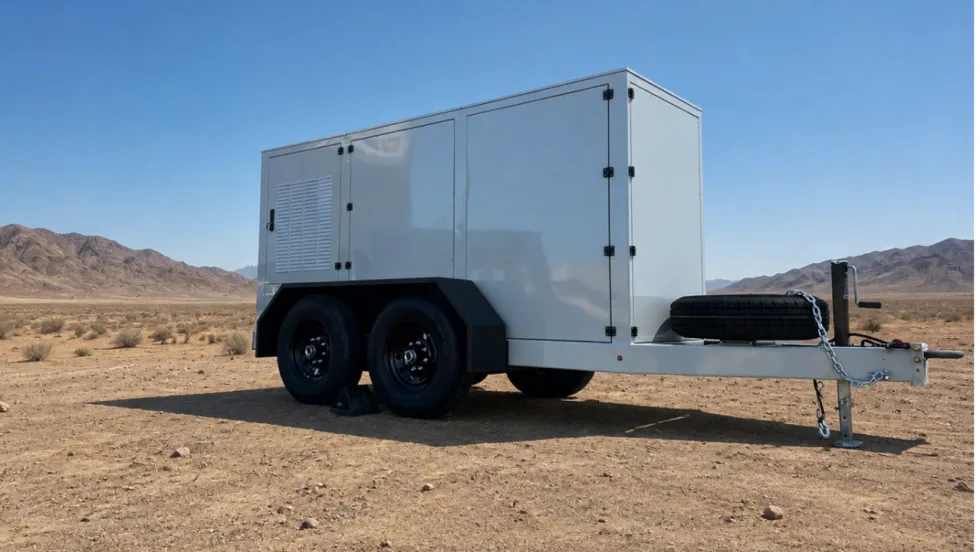
Xos Hub Surpasses One Gigawatt-Hour of Energy Delivered in the Field
A single Xos Hub has surpassed one gigawatt-hour of energy across more than 33,600 charging sessions in the field, demonstrating performance that supports Xos' expansion across new products and markets.
Read More →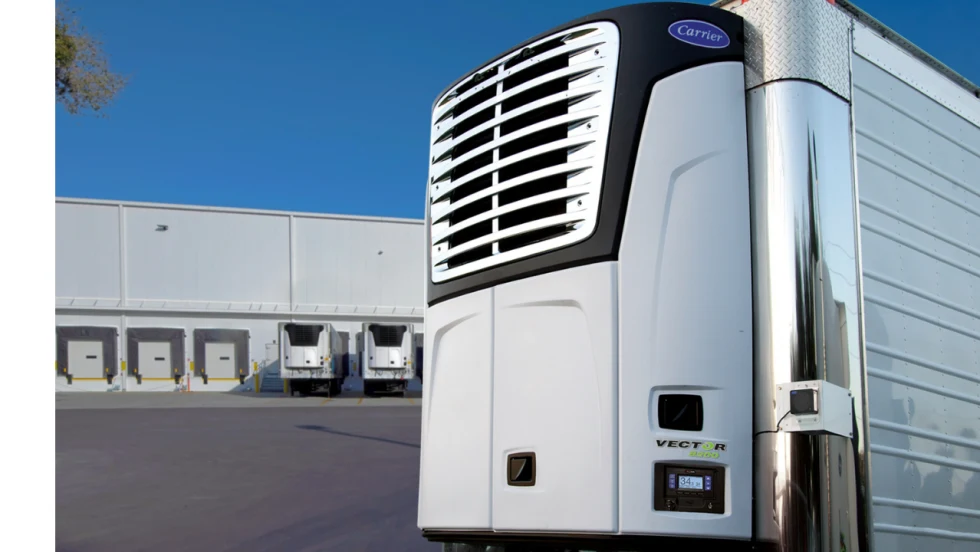
Carrier Transicold Launches All-Electric Vector 8200 TRU for Diesel-Free On-Site Cold Storage
Carrier Transicold’s first engineless multi-temperature TRU helps fresh- and frozen-food fleets add supplemental cold storage capacity during seasonal peaks.
Read More →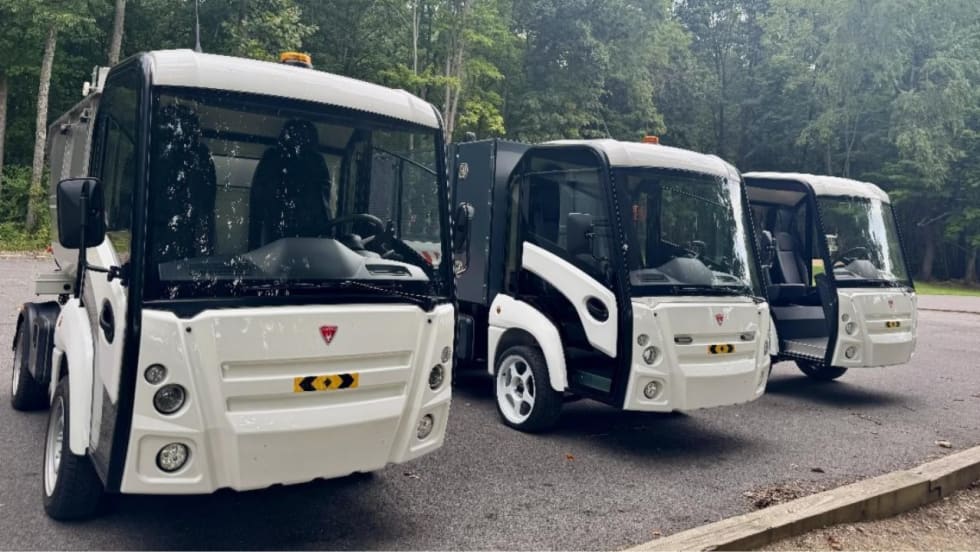
Narro Trucks Introduces Electric Utility Vehicle
Narro Trucks officially launched its operations on Aug. 20 and hosted a ride and drive to showcase its electric truck, which will be produced in Virginia.
Read More →
Samsung SDI Takes Full Control of GM Battery JV as Indiana Plant Pivots to Energy Storage
Samsung SDI is taking full control of its Indiana battery plant with GM, marking a major shift from the EV-focused joint venture Charged Fleet first covered in 2023.
Read More →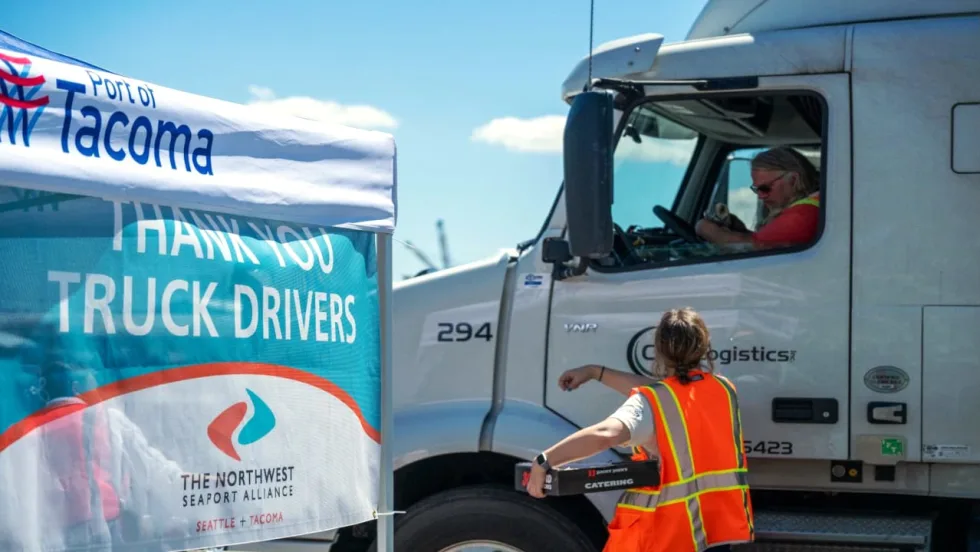
NWSA Taps CALSTART to Administer Zero-Emission Drayage Assistance Program
CALSTART will provide free technical assistance services to drayage fleets serving the Ports of Seattle and Tacoma and looking to transition to cleaner technologies and help decarbonize freight hubs.
Read More →
EV Fleet Reality Check: What Operators Wish They Knew Before Electrifying Their Work Vans
Electric work truck upfits bring new compatibility questions. Learn how parts availability, OEM guidance, power demands, and route planning can affect fleet performance.
Read More →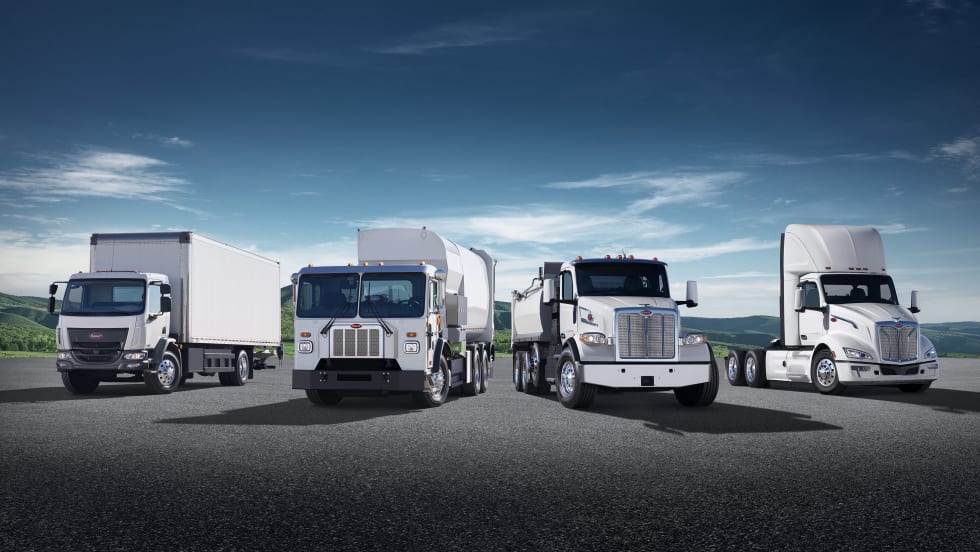
Peterbilt Expands Sourcewell Partnership with Electric Vehicle Lineup
Peterbilt Motors Company’s cooperative purchasing agreement with Sourcewell and its Canadian partner, Canoe Procurement Group, now includes including Peterbilt's battery-electric vehicle lineup.
Read More →