




Emission Controls Corp Signs Agreement To Complete Research And Development Program
Emission Controls Corp. (ECC), a publicly held Delaware Corporation (EMNO) announced Apr. 24 that it has engaged the services of Michael C. Shetley to complete the research and development program for its new Natural Resources Fuel Reformer (NRFR) prototype. According to the company, Shetley brings to ECC experience in emission controls and fuel management systems for internal combustion engines. In 1962, he worked with Holman & Moody, Inc., Ford Motor Company's World Wide Factory Racing Operations until 1971. During his tenure there, he handled all special development programs such as Cobra, Mark IV, Mark V and J car development and worldwide racing teams for these vehicles. He was involved in the development of Pantera, Omega and Talladega Ford, as well as the Holman & Moody marine engine program. In 1972, he took over Rolls Royces' Vintage Motor Coaches, specializing in frame-up restoration. In 1975, Shetley worked directly with Ford Engineering and was responsible for mold and chassis design, parts coordination, EPA Certification, DOT requirements and production of the first replica T-Birds that carried full warranty and were marketed through selected Ford dealerships. Shetley partnered with Ralph Moody in 1978 and developed the 84-mile per gallon diesel car, and manufactured high mileage cars sold through Lincoln-Mercury dealerships. The company claims that throughout the 80's and 90's he has designed and built numerous neo-classic cars and a Fuel Management System. ECC is the developer and holder of all rights to the patented Natural Resources Fuel Reformer (NRFR), which according to the company, is designed to deliver hydrocarbon based fuels to an internal combustion engine in such a manner as to exhaust near-zero toxic emissions and pollutants and increase the efficiency of the engine. When the NRFR is attached to an internal combustion engine, the company claims it accomplishes two things: 1) it reduces harmful exhaust emissions and pollutants to near-zero levels, and 2) it increases the efficiency of the engine. By breaking down the molecular structure of hydrocarbon fuels, the NRFR produces a reformed fuel which the engine can burn cleanly and produce little or no pollutants, according to the ECC. ECC says it has designed and completed construction of a new electronic prototype of the NRFR, which Shetley and ECC and will refine and make ready for commercial application. It is anticipated that the new NRFR will be ready for commercial use within six months. Further details on ECC or information regarding the NRFR can be viewed on Emission Controls Corp website at www.nrfr.net.
More Small Fleet


Developing Budget-Friendly Driver Safety Programs
From driver training and safety meetings to one-on-one coaching and incentive programs, several small fleets share how they have developed a safety culture with their drivers using low- to no-cost resources.
Read More →
Boosting Last-Mile Fleet Uptime, Safety, and Value with AI Vehicle Inspections
AI-powered inspections are transforming last-mile fleets by replacing manual checks with highly accurate automated scans that detect defects in seconds. By giving fleet operations visibility into the daily condition of their vehicles, you can identify trends over the vehicle’s lifecycle that enable improved procurement decisions, route management, driver training and accountability.
Read More →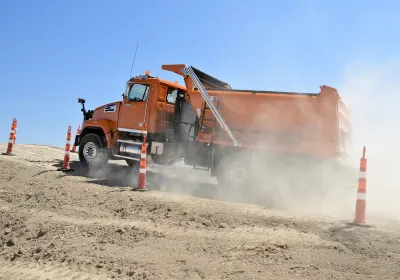

Five Ways Seat Belts Help Prevent Injuries
There are five ways seat belts protect occupants from injuries, according to the Tennessee Department of Safety and Homeland Security.
Read More →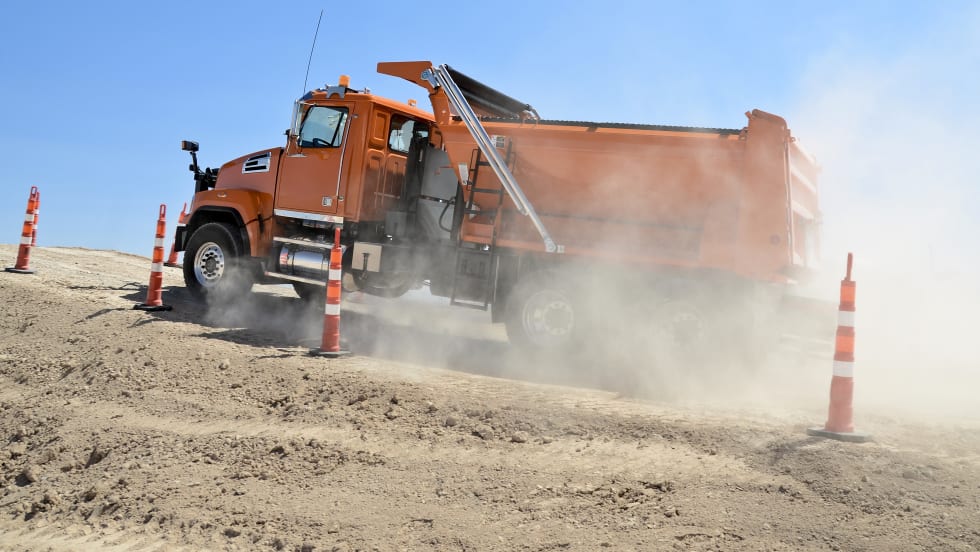
Basic Tracking vs Next Generation Fleet Technology
Fleet software is getting more sophisticated and effective than ever, tying big data models together to transform maintenance, safety, and the value of your existing tech stack. Fleet technology upgrades are undoubtedly an investment, but updated technology can offer a much higher return. Read how upgrading your fleet technology can increase the return on your investment.
Read More →
It’s here: The 2026 Fleet Technology Trends Report
What does AI mean for fleets? Get the answer — and learn other top tech trends.
Read More →
Small Fleets, Big Impact: How Independent Drivers Power Wreaths Across America
Check out how small fleets and independent drivers power Wreaths Across America each December and why their impact matters more than ever.
Read More →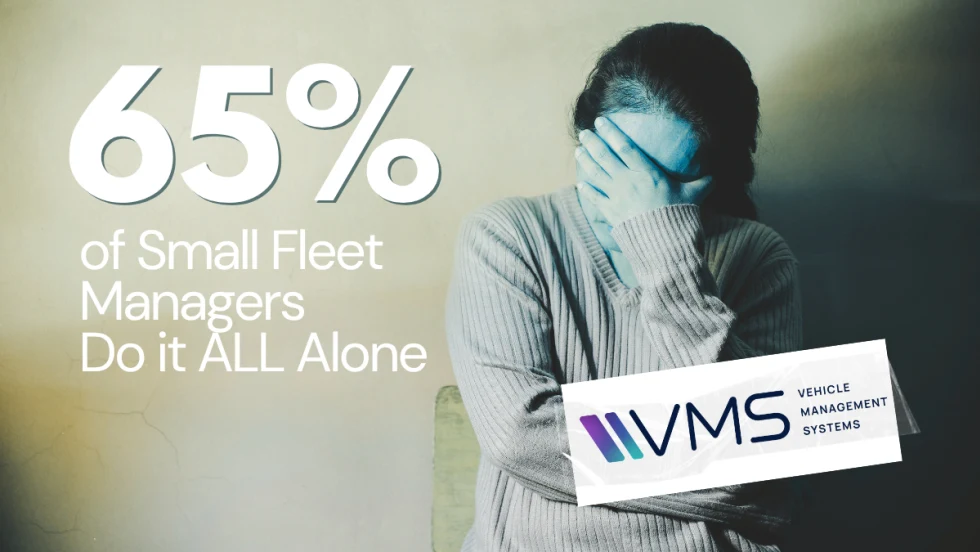
VMS Survey Finds 65% of Small Fleet Managers Run Operations Alone
A new VMS survey shows small fleet managers are stretched thin, with most handling operations solo and eager to adopt digital tools for relief.
Read More →
Tips for Driving Safely on Halloween Night
This video features a reminder from the Connecticut Department of Transportation (DOT) and the Connecticut Police Chiefs Association, urging drivers to prioritize safety this Halloween.
Read More →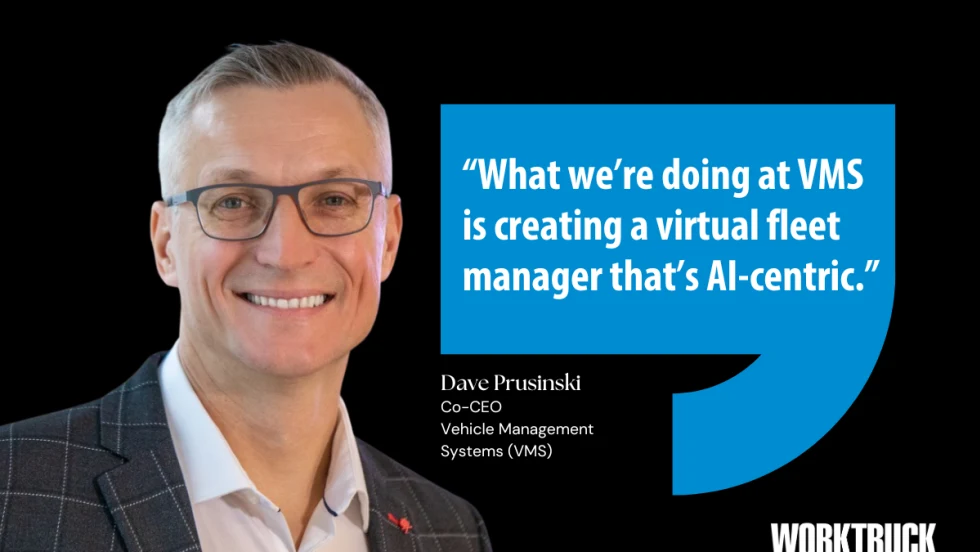
AI, Access, and Uptime: VMS’s Next Chapter with David Prusinski
VMS’s new Co-CEO, David Prusinski, shares how an AI-first approach will give small fleets and repair shops the tools to compete like big players.
Read More →