





Related news: Sales Growing for Zero Emission Vehicles
Electric Vehicle Shopping Hits New Heights
A Kelly Blue Book report shows growing interest in electric and green vehicles, especially SUVs.
May 11, 2021
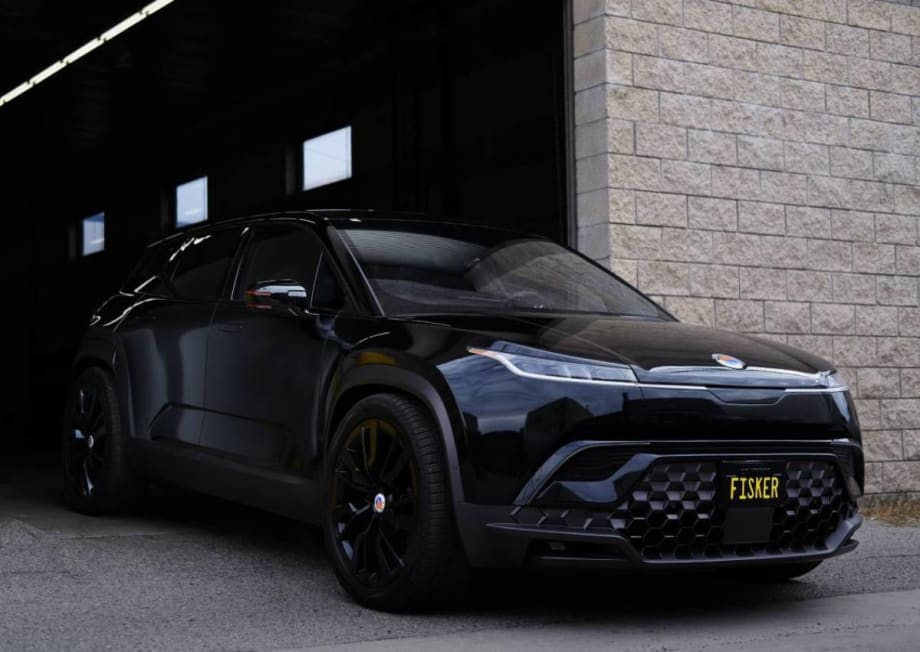
Fisker Inc., a designer and maker of electric vehicles and advanced mobility solutions, on March 9 passed 14,000 reservations for its Ocean SUV.
Photo: Fisker
4 min to read
Consumer shopping for electrified and fuel-cell vehicles, including hybrids, plug-in hybrids and pure electric vehicles (EVs), hit new heights in the first quarter of 2021 according to a new report from Kelley Blue Book.
In addition, a record percentage of shoppers considered an SUV, while shopping for traditional cars steadied and pickup trucks declined among in-market new-car shoppers. Details of these findings, brand and model rankings, and much more are featured in the recently published Kelley Blue Book Q1 2021 Brand Watch report for non-luxury vehicles.
The Kelley Blue Book Brand Watch report is a consumer perception survey that also weaves in consumer shopping behavior to determine how a brand or model stacks up with its segment competitors on a dozen factors key to a consumer's buying decision. Kelley Blue Book produces a separate Brand Watch report for non-luxury and luxury brands each quarter.
"As automakers introduce more electrified vehicles in their vehicle line-up, we are seeing shopping consideration increase and ultimately sales follow," said Vanessa Ton, senior industry intelligence manager for Kelley Blue Book. "At the same time, SUVs continue to dominate the new-vehicle marketplace. Shoppers are enticed by their comfort, safety and practical utility, and automakers are responding to increased demand by producing more and more new SUV nameplates of various sizes to meet consumer needs and desires. SUV-dominated brands like Subaru are riding the wave of SUV success, and this trend shows no signs of slowing down."
Shopping for electrified vehicles (hybrids, plug-in hybrids and pure EVs), hit new highs in the first quarter of 2021, with 19% of all shoppers considering an electrified vehicle. Hybrid models from Japanese brands – specifically Toyota and Honda – comprised most of the Top 10 most-shopped electrified vehicles list, with the Toyota RAV4 hybrid at No. 1.
Other vehicles making the most-shopped electrified list include the Honda CR-V, Toyota Highlander, Toyota Prius, Honda Accord, Toyota Camry and Toyota Prius Prime. The only pure EVs on the most-shopped electrified list were luxury models from Tesla, including the Model 3, Model Y and Model S. This record-setting shopping consideration for electrified vehicles also converted to sales, with Q1 2021 sales of electrified vehicles growing 81% year-over-year and hitting 300,000 units for the first time.
Meanwhile, SUVs were the overall big winner for Q1 2021, including a new milestone featuring a record 67% of all shoppers considering an SUV. Japanese brands dominated SUV shopping, with the Honda CR-V retaining its title of most-shopped SUV and making a healthy 9% gain in consideration. Subaru made the biggest advance overall with significant shopping growth for the Outback and Forester, both of which were among the Top 5 most-shopped SUVs and Top 10 most-shopped vehicles overall.
The Subaru Outback had the highest increase in shopping consideration of any non-luxury vehicle, up a hefty 34% from the previous quarter, and the model may gain further momentum as Subaru introduces the Outback Wilderness trim package in the second quarter. Forrester had the second-highest increase in shopping consideration, up 18%, which made it the fourth most-shopped SUV.
While SUVs soared, consumer consideration for traditional cars stopped freefalling, holding steady for now and being led by stalwart midsize cars like the No. 1 Honda Accord. Exactly a third of consumers considering a non-luxury vehicle considered a car in Q1 2021, up from 31% in Q4 2020 but well off the 37% seen one year ago in Q1 2020. For comparison, shopping consideration for cars was just shy of 50% in 2018, and it has been in decline ever since. Cars generally remain out of favor, with sales of cars now below a quarter of all vehicles sold.
At the same time, shopping for pickup trucks has taken a breather after hitting a record high of 37% consideration in 2020. In Q1 2021, only 29% of all non-luxury shoppers considered a pickup truck, the lowest level since Q4 2019. The ongoing global computer chip shortage that prompted production cuts particularly affected pickups in Q1 2021, so low supply may have scared off prospective truck shoppers. Despite a 16% decline in shopping consideration, the Ford F-150 reigned once again as the most-shopped truck.
Kelley Blue Book Brand Watch is an online brand and model perception tracking study, which taps into more than 12,000 in-market new-vehicle shoppers annually on KBB.com. The highly comprehensive study offers insight into how shoppers perceive important factors driving their purchase decisions and captures brand/model familiarity and loyalty among new-car shoppers.
More information:Q1 2021 Kelley Blue Book Brand Watch report for non-luxury vehicles, including brand and model rankings, details on the factors most important to new-car shoppers.
Originally posted on Charged Fleet
More Sustainability
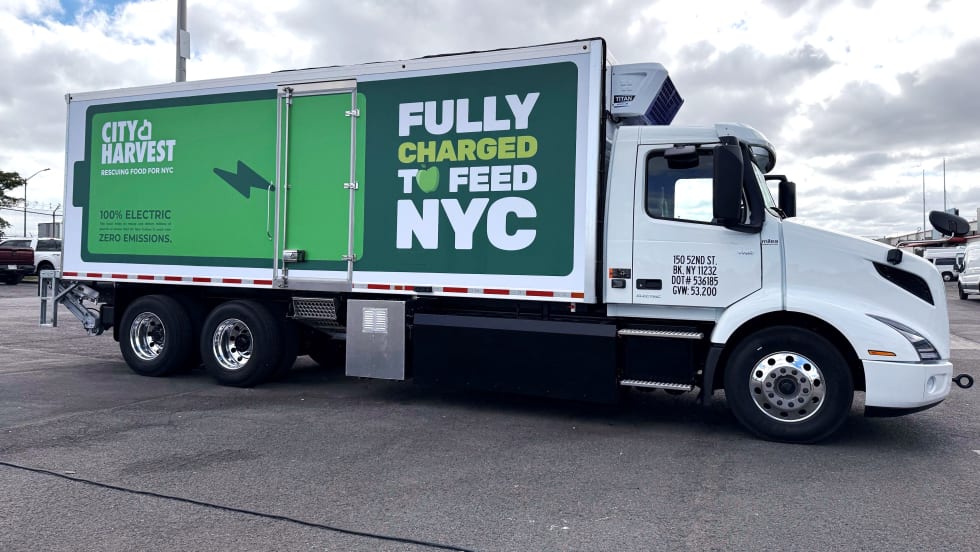
City Harvest Begins Using Volvo VNR Electric Trucks to Rescue Food Across New York City
Volvo Trucks North America and the Bronx Is Breathing project team handed over three new Volvo VNR Electric trucks to City Harvest, which will use the trucks to rescue and deliver food throughout the Bronx and across all five boroughs of New York.
Read More →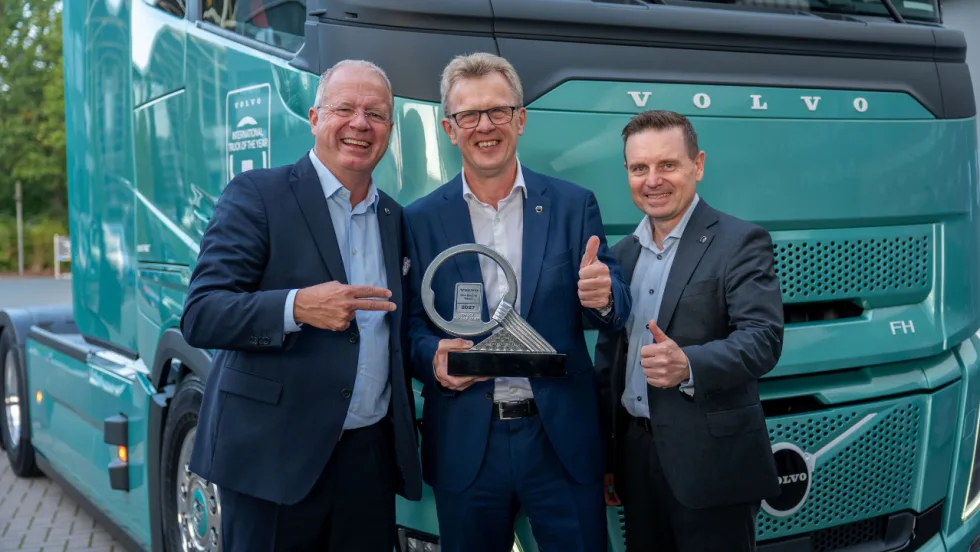
Volvo Trucks Wins International Truck of the Year 2027 for its Global Electric Range
Volvo Trucks' global heavy-duty electric range has been named International Truck of the Year 2027. Since 2019, more than 7,000 electric Volvo trucks have driven more than 310 million miles worldwide.
Read More →
Fleet Forward Conference Introduces One-Day Passes for 2026
New one-day registration gives fleet professionals the flexibility to attend Tuesday, Wednesday, or Thursday, with passes available for $199 through Sept. 18.
Read More →


CALSTART Rebrands as Catalyst Mobility, Will Combine with Forth in 2027
CALSTART has rebranded as Catalyst Mobility and will combine with Forth at the start of 2027. The new organization said it is poised to become one of the world's largest, strongest, and most impactful clean transportation nonprofits.
Read More →
Electric Truck and Charging Programs to Boost Sustainability at NY & NJ Ports
Together, the Port Authority of New York and New Jersey and CALSTART will electrify drayage and terminal operations serving the East Coast’s busiest container port. A pair of incentive programs totaling $45 million has launched to accelerate adoption of zero-emission drayage trucks and terminal tractors.
Read More →
The Smart Way to Build a Mixed-Energy Fleet Isn’t About Picking a Side
Mixed-energy fleets aren’t about picking a winning fuel. Sarah Booth of WEX explains how vehicle data, duty cycles, charging strategy, and real-world costs can help fleets choose the right energy source for each job.
Read More →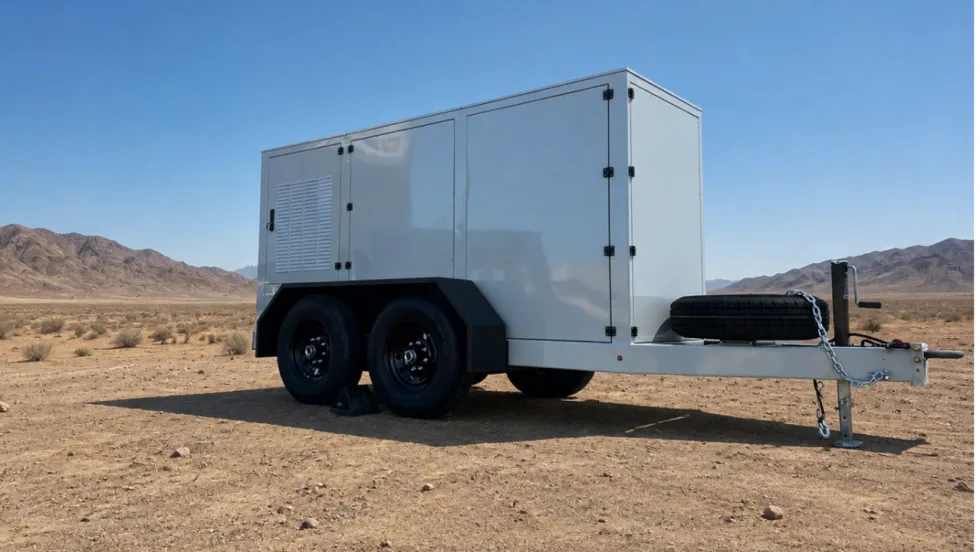
Xos Hub Surpasses One Gigawatt-Hour of Energy Delivered in the Field
A single Xos Hub has surpassed one gigawatt-hour of energy across more than 33,600 charging sessions in the field, demonstrating performance that supports Xos' expansion across new products and markets.
Read More →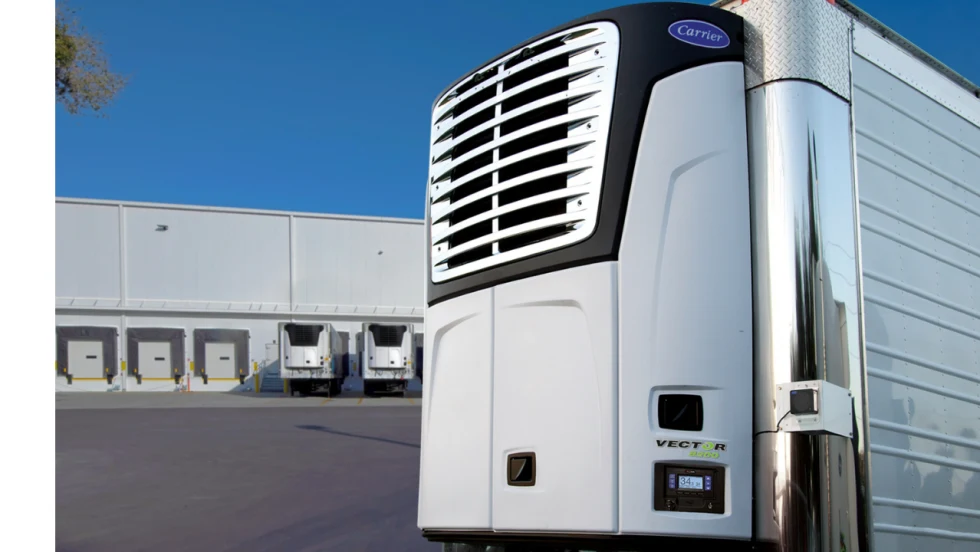
Carrier Transicold Launches All-Electric Vector 8200 TRU for Diesel-Free On-Site Cold Storage
Carrier Transicold’s first engineless multi-temperature TRU helps fresh- and frozen-food fleets add supplemental cold storage capacity during seasonal peaks.
Read More →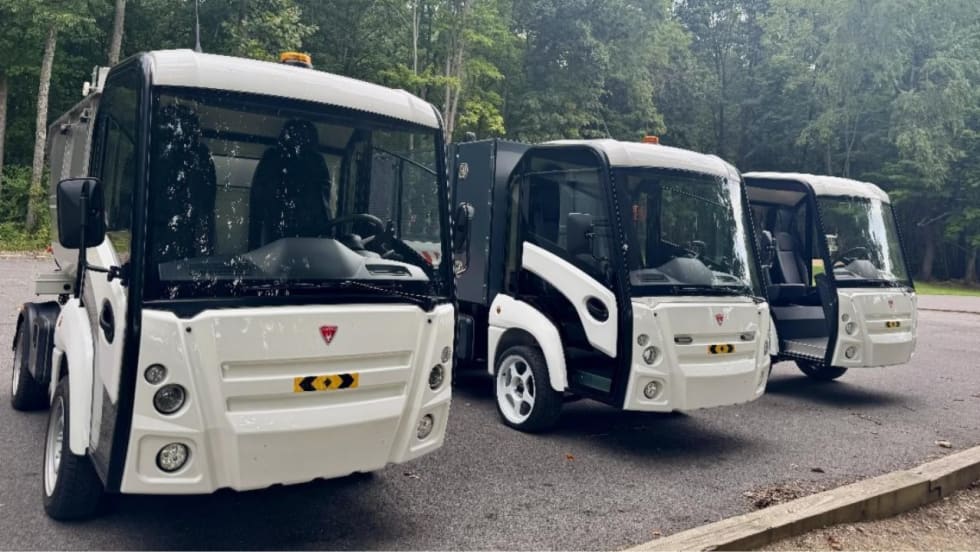
Narro Trucks Introduces Electric Utility Vehicle
Narro Trucks officially launched its operations on Aug. 20 and hosted a ride and drive to showcase its electric truck, which will be produced in Virginia.
Read More →
Samsung SDI Takes Full Control of GM Battery JV as Indiana Plant Pivots to Energy Storage
Samsung SDI is taking full control of its Indiana battery plant with GM, marking a major shift from the EV-focused joint venture Charged Fleet first covered in 2023.
Read More →