




Drowsy Driving Causes 1,500 U.S. Deaths Yearly
Fatigue contributes to more than 100,000 police-reported highway crashes, causing 71,000 injuries and 1,500 deaths each year in the United States alone, according to the National Sleep Foundation. All states - except Alabama - have existing laws where drivers who cause a crash or fatality after falling asleep at the wheel can be punished. In 2003, New Jersey went a step further: It passed a law that specifically addressed drowsy driving, making it a crime to drive in the Garden State while sleepy. The statute - known as Maggie's Law after a 20-year-old college student killed in 1997 by a van driver who had been awake for 30 hours - mandates charges of vehicular homicide, punishable by up to 10 years in prison, and a fine of $100,000. Similar laws are also in the works for New York, Michigan and Massachusetts, according to the NSF. People with sleep apnea are more than five times as likely to have a car accident than other drivers traveling the same streets, said Dr. John McBurney, medical director for the Center for Disorders of Sleep and Fatigue in Spartanburg, S.C. Driving after being up for a 24-hour period can be similar to driving under the influence of alcohol, says Michael Middleton, director of Troy Beaumont Sleep Evaluation Services. The best medicine for drowsy drivers? Quit fighting the fatigue. Pull over and take a break, either for the night or for a nap. Caffeine, in moderation, can also be an ally.
More Small Fleet


Developing Budget-Friendly Driver Safety Programs
From driver training and safety meetings to one-on-one coaching and incentive programs, several small fleets share how they have developed a safety culture with their drivers using low- to no-cost resources.
Read More →
Boosting Last-Mile Fleet Uptime, Safety, and Value with AI Vehicle Inspections
AI-powered inspections are transforming last-mile fleets by replacing manual checks with highly accurate automated scans that detect defects in seconds. By giving fleet operations visibility into the daily condition of their vehicles, you can identify trends over the vehicle’s lifecycle that enable improved procurement decisions, route management, driver training and accountability.
Read More →
Five Ways Seat Belts Help Prevent Injuries
There are five ways seat belts protect occupants from injuries, according to the Tennessee Department of Safety and Homeland Security.
Read More →
It’s here: The 2026 Fleet Technology Trends Report
What does AI mean for fleets? Get the answer — and learn other top tech trends.
Read More →
Small Fleets, Big Impact: How Independent Drivers Power Wreaths Across America
Check out how small fleets and independent drivers power Wreaths Across America each December and why their impact matters more than ever.
Read More →
VMS Survey Finds 65% of Small Fleet Managers Run Operations Alone
A new VMS survey shows small fleet managers are stretched thin, with most handling operations solo and eager to adopt digital tools for relief.
Read More →
Tips for Driving Safely on Halloween Night
This video features a reminder from the Connecticut Department of Transportation (DOT) and the Connecticut Police Chiefs Association, urging drivers to prioritize safety this Halloween.
Read More →
AI, Access, and Uptime: VMS’s Next Chapter with David Prusinski
VMS’s new Co-CEO, David Prusinski, shares how an AI-first approach will give small fleets and repair shops the tools to compete like big players.
Read More →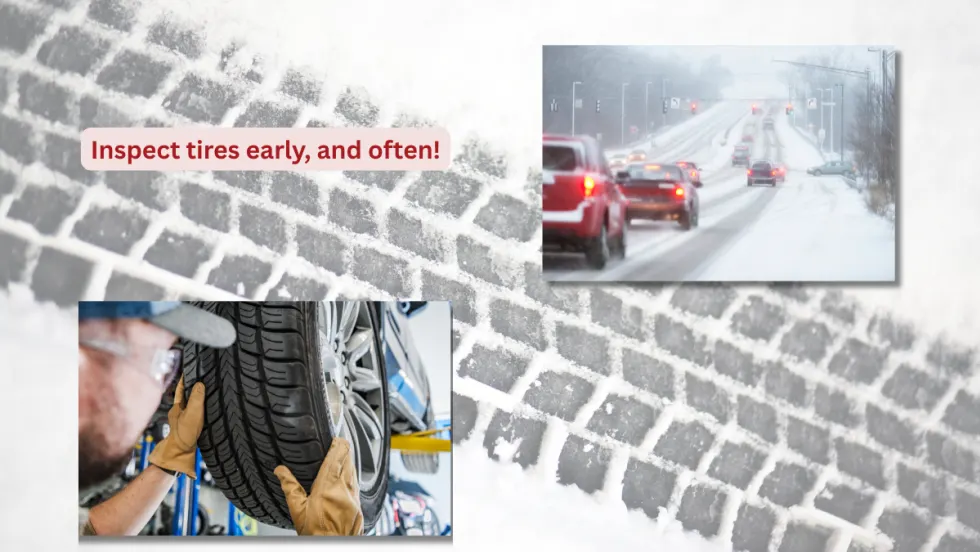
Fleet Managers Share Winter Prep Tips: It's Never Too Early!
Three fleets share best practices to prep vehicles for winter and prevent downtime when the cold sets in.
Read More →