




Driver's Ed Adapts to a New Generation of Cars
With the dramatic change of automobiles in the past few decades, companies now see the benefit in schooling old drivers on new rules.
With the technological advancements in the automotive industry over the last three decades comes a change in the rules for safe driving, as well. The Wall Street Journal reports that because of improvements to steering, braking systems and tires, among others, the basic safety rules of old may not be so safe anymore. For that reason many companies are sending employees to advanced driver-training courses to lower accident rates. Johnson & Johnson and Novartis, for instance, actually require specialized courses for their drug reps. According to the Centers for Disease Control and Prevention, work-related roadway deaths have increased 20 percent in the last 10 years. However, Driving Dynamics, a Little Silver, N.J.-based advanced driving school, says that companies that have taken their course find a 20-40 percent drop in accident rates. Some of the areas that are concentrated on are hand position, braking, steering and air bags. The “skid” technique shows a big difference. Where drivers were once taught to steer into a skid, which is true only of rear-wheel drive vehicles, front-wheel car drivers are told to aim in the direction they wish to go. Rather than the classroom-style driver’s education courses from before, the new courses offer hands-on, behind-the-wheel training.
More Small Fleet


Developing Budget-Friendly Driver Safety Programs
From driver training and safety meetings to one-on-one coaching and incentive programs, several small fleets share how they have developed a safety culture with their drivers using low- to no-cost resources.
Read More →
Boosting Last-Mile Fleet Uptime, Safety, and Value with AI Vehicle Inspections
AI-powered inspections are transforming last-mile fleets by replacing manual checks with highly accurate automated scans that detect defects in seconds. By giving fleet operations visibility into the daily condition of their vehicles, you can identify trends over the vehicle’s lifecycle that enable improved procurement decisions, route management, driver training and accountability.
Read More →
Five Ways Seat Belts Help Prevent Injuries
There are five ways seat belts protect occupants from injuries, according to the Tennessee Department of Safety and Homeland Security.
Read More →
It’s here: The 2026 Fleet Technology Trends Report
What does AI mean for fleets? Get the answer — and learn other top tech trends.
Read More →
Small Fleets, Big Impact: How Independent Drivers Power Wreaths Across America
Check out how small fleets and independent drivers power Wreaths Across America each December and why their impact matters more than ever.
Read More →
VMS Survey Finds 65% of Small Fleet Managers Run Operations Alone
A new VMS survey shows small fleet managers are stretched thin, with most handling operations solo and eager to adopt digital tools for relief.
Read More →
Tips for Driving Safely on Halloween Night
This video features a reminder from the Connecticut Department of Transportation (DOT) and the Connecticut Police Chiefs Association, urging drivers to prioritize safety this Halloween.
Read More →
AI, Access, and Uptime: VMS’s Next Chapter with David Prusinski
VMS’s new Co-CEO, David Prusinski, shares how an AI-first approach will give small fleets and repair shops the tools to compete like big players.
Read More →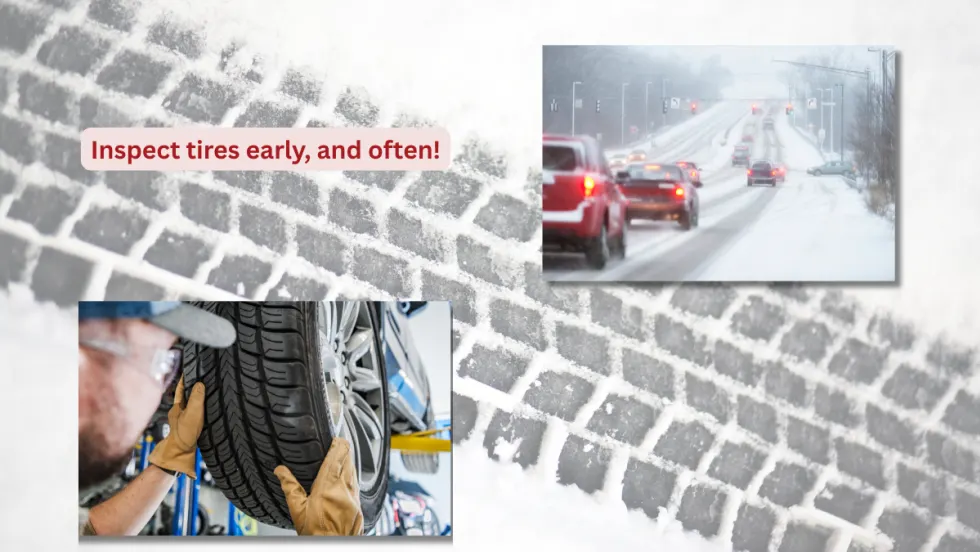
Fleet Managers Share Winter Prep Tips: It's Never Too Early!
Three fleets share best practices to prep vehicles for winter and prevent downtime when the cold sets in.
Read More →