




Driver Texting Still Widespread
New survey results from the AAA Foundation indicate that 31.4% of drivers admit to typing or sending texts or emails behind the wheel in the past month.
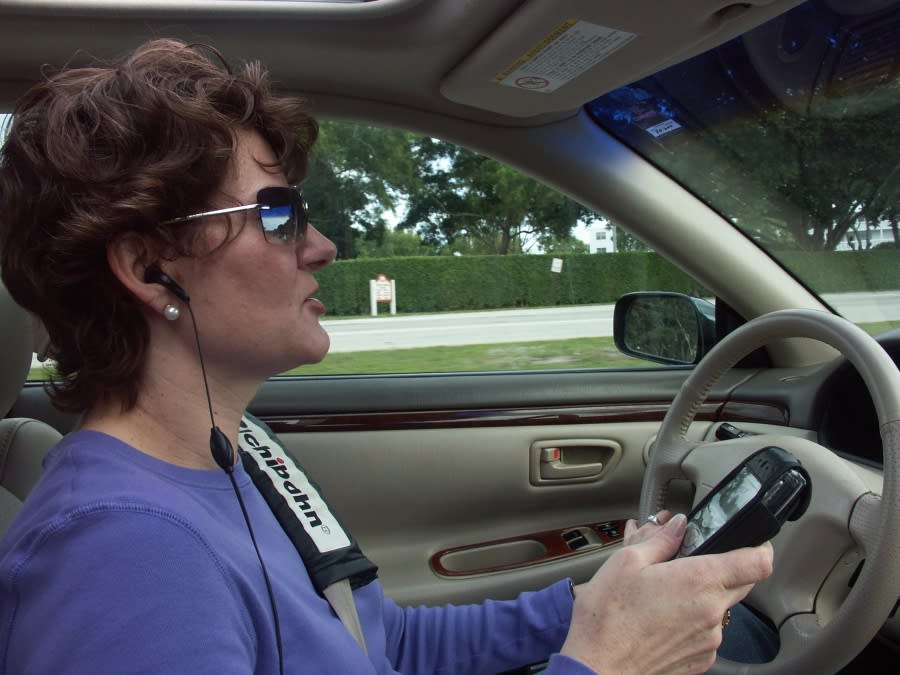
Photo courtesy of AAA Foundation for Traffic Safety.
Photo courtesy of AAA Foundation for Traffic Safety.
Though most people consider texting while driving a serious safety threat, 31.4% of drivers admit to behind-the-wheel typing or sending texts or emails during the previous month, according to a new survey from the AAA Foundation for Traffic Safety.
About 40% of drivers reported having read a text message or email while driving in the past month, the study also found. A total of 71.5% support restricting driver handheld cell phone use, but just 42% favor an outright ban on using any type of cell phone — including hands-free — while driving.
Survey respondents left no doubt how prevalent driver cell phone use is. More than two in three drivers reported talking on their cell phone behind the wheel in the past month, and nearly one in three said they do so fairly often or regularly.
The research, however, found strong support (88.4%) for laws restricting reading, typing or sending a text message or email while driving.
Each year, AAA's “Traffic Safety Culture Index” report highlights both the behaviors and safety-related opinions of American drivers. And they're sometimes seemingly at odds.
Survey results underscore “some aspects of the current traffic safety culture that might be characterized most appropriately as a culture of indifference, in which drivers effectively demonstrate a ‘Do as I say, not as I do’ attitude,” the report noted. “For example, substantial numbers of drivers say that it is completely unacceptable to drive 15 mph over the speed limit on freeways, yet admit having done that in the past month.”
The survey found that 45.6% of drivers admitted to having driven 15 mph over the speed limit on a freeway in the past month, and nearly one in four said they consider such behavior acceptable. Similarly, 46% said they have driven 10 mph over the speed limit on a residential street in the past month. There is, however, more social disapproval for speeding on a residential street than on a freeway (88.3% versus 75.5%).
A total of 92.8% of drivers disapprove of driving through a traffic light that just turned red when they could have stopped safely. But 35.6% admitted doing this in the previous month.
Nearly all drivers (96.7%) disapprove of drinking and driving, but more than one in eight drivers admitted to driving at least once in the past year when they suspected their alcohol level might have been close to or possibly over the legal limit.
Most drivers (59.8%) view people who drive after using illegal drugs as a very serious threat. But fewer (33.9%) hold the same opinion about people who drive after using prescription drugs.
The survey found that drivers 19 to 24 years old are at a higher risk for unsafe driving behaviors than other age groups. They are more likely to report reading or typing text messages behind the wheel, more likely to find texting while driving acceptable, and less likely to support legislation aimed at preventing distracted driving.
The survey was conducted between Aug. 25 and Sept. 6 in 2016. A total of 2,511 licensed drivers in the U.S. participated.
To download the full report, click here.
Originally posted on Automotive Fleet
More Small Fleet


Developing Budget-Friendly Driver Safety Programs
From driver training and safety meetings to one-on-one coaching and incentive programs, several small fleets share how they have developed a safety culture with their drivers using low- to no-cost resources.
Read More →
Boosting Last-Mile Fleet Uptime, Safety, and Value with AI Vehicle Inspections
AI-powered inspections are transforming last-mile fleets by replacing manual checks with highly accurate automated scans that detect defects in seconds. By giving fleet operations visibility into the daily condition of their vehicles, you can identify trends over the vehicle’s lifecycle that enable improved procurement decisions, route management, driver training and accountability.
Read More →
Five Ways Seat Belts Help Prevent Injuries
There are five ways seat belts protect occupants from injuries, according to the Tennessee Department of Safety and Homeland Security.
Read More →
It’s here: The 2026 Fleet Technology Trends Report
What does AI mean for fleets? Get the answer — and learn other top tech trends.
Read More →
Small Fleets, Big Impact: How Independent Drivers Power Wreaths Across America
Check out how small fleets and independent drivers power Wreaths Across America each December and why their impact matters more than ever.
Read More →
VMS Survey Finds 65% of Small Fleet Managers Run Operations Alone
A new VMS survey shows small fleet managers are stretched thin, with most handling operations solo and eager to adopt digital tools for relief.
Read More →
Tips for Driving Safely on Halloween Night
This video features a reminder from the Connecticut Department of Transportation (DOT) and the Connecticut Police Chiefs Association, urging drivers to prioritize safety this Halloween.
Read More →
AI, Access, and Uptime: VMS’s Next Chapter with David Prusinski
VMS’s new Co-CEO, David Prusinski, shares how an AI-first approach will give small fleets and repair shops the tools to compete like big players.
Read More →
Fleet Managers Share Winter Prep Tips: It's Never Too Early!
Three fleets share best practices to prep vehicles for winter and prevent downtime when the cold sets in.
Read More →