




Dodge Announces Pricing for 2007 Ram Chassis Cab and Nitro
Dodge Ram 3500 Chassis Cab starts at $22,535; Nitro starts at $19,885.

The all-new 2007 Dodge Ram 3500 Chassis Cab starts at $22,535.
Dodge has announced pricing for the 2007 Dodge Nitro and Dodge Ram 3500 Chassis Cab, both due to arrive in showrooms this October. The all-new 2007 Dodge Ram 3500 Chassis Cab starts at $22,535. Dodge says the new Ram chassis cab has the highest single-rear-wheel Gross Vehicle Weight Rating (GVWR) of 10,200 lbs., best-in-class rear frame steel strength (50,000 psi), largest standard fuel tank (52 gallons), best-in-class standard V-8 power (HEMI with 330 horsepower) and best-in-class interior cab room of 121.7 cubic feet for Quad Cab models. Dodge Ram 3500 Chassis Cab comes standard with a HEMI V-8 engine, while a new Cummins 6.7-liter turbo diesel engine is also available. The all-new Ram 3500 Chassis Cab offers a six-speed automatic transmission (diesel only) with Power Take Off (PTO) capability and a six-speed manual transmission with PTO capability. Dodge’s latest Ram is available in both two-wheel-drive and four-wheel-drive models, two available cab-axle lengths (60 inches and 84 inches), single-rear-wheel and dual-rear-wheel versions, regular cab and Quad Cab configurations and three trim lines: ST, SLT and Laramie. The all-new 2007 Dodge Nitro starts at $19,885. Options include a fold-flat first-row passenger seat and fold-flat second-row seats. Nitro also offers the segment’s only LOAD ‘N GO cargo floor, which holds up to 400 pounds and slides 18 inches rearward for easy loading and unloading. Optional features include heated leather seats, a DVD-based navigation system and an entertainment system that stores up to 2,500 songs. Standard safety features include electronic stability program (ESP), anti-lock braking system (ABS), electronic roll mitigation and side-curtain air bags. Three models are available: Dodge Nitro SXT, Dodge Nitro SLT and Dodge Nitro R/T.
More Small Fleet


Developing Budget-Friendly Driver Safety Programs
From driver training and safety meetings to one-on-one coaching and incentive programs, several small fleets share how they have developed a safety culture with their drivers using low- to no-cost resources.
Read More →
Boosting Last-Mile Fleet Uptime, Safety, and Value with AI Vehicle Inspections
AI-powered inspections are transforming last-mile fleets by replacing manual checks with highly accurate automated scans that detect defects in seconds. By giving fleet operations visibility into the daily condition of their vehicles, you can identify trends over the vehicle’s lifecycle that enable improved procurement decisions, route management, driver training and accountability.
Read More →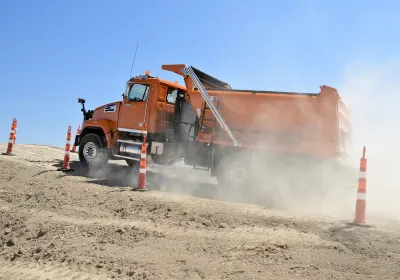

Five Ways Seat Belts Help Prevent Injuries
There are five ways seat belts protect occupants from injuries, according to the Tennessee Department of Safety and Homeland Security.
Read More →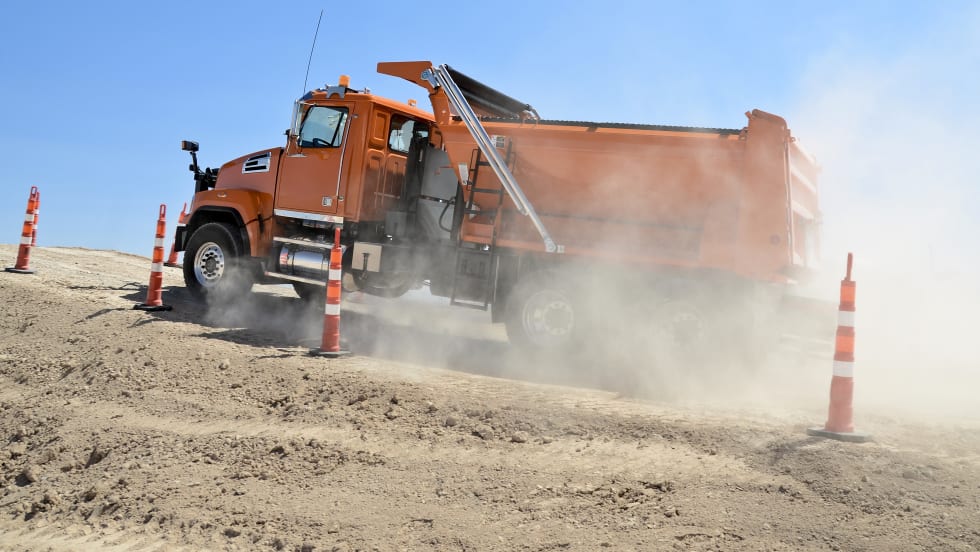
Basic Tracking vs Next Generation Fleet Technology
Fleet software is getting more sophisticated and effective than ever, tying big data models together to transform maintenance, safety, and the value of your existing tech stack. Fleet technology upgrades are undoubtedly an investment, but updated technology can offer a much higher return. Read how upgrading your fleet technology can increase the return on your investment.
Read More →
It’s here: The 2026 Fleet Technology Trends Report
What does AI mean for fleets? Get the answer — and learn other top tech trends.
Read More →
Small Fleets, Big Impact: How Independent Drivers Power Wreaths Across America
Check out how small fleets and independent drivers power Wreaths Across America each December and why their impact matters more than ever.
Read More →
VMS Survey Finds 65% of Small Fleet Managers Run Operations Alone
A new VMS survey shows small fleet managers are stretched thin, with most handling operations solo and eager to adopt digital tools for relief.
Read More →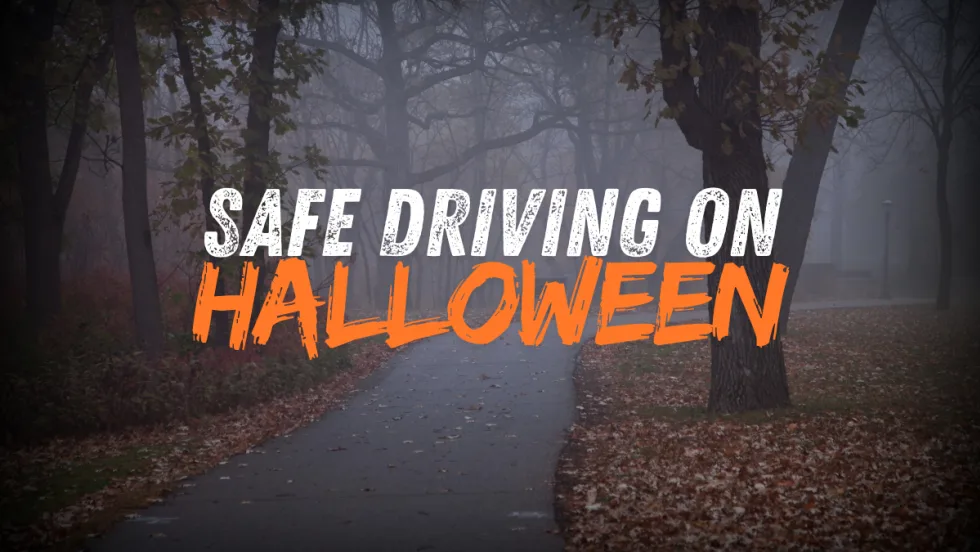
Tips for Driving Safely on Halloween Night
This video features a reminder from the Connecticut Department of Transportation (DOT) and the Connecticut Police Chiefs Association, urging drivers to prioritize safety this Halloween.
Read More →
AI, Access, and Uptime: VMS’s Next Chapter with David Prusinski
VMS’s new Co-CEO, David Prusinski, shares how an AI-first approach will give small fleets and repair shops the tools to compete like big players.
Read More →