




Related: Derive to Demo Telematics Solution at Fleet Forward Conference
Derive Reaches Emissions Settlement with Feds
Derive Systems has agreed to a $300,000 civil penalty and estimates that it will spend about $6.25 million to address a federal complaint that it sold engine control devices designed to override the emissions control systems of vehicles in violation of the Clean Air Act.

Paul Clinton・Former Senior Web Editor
3 min to read
Derive Systems has agreed to a $300,000 civil penalty and estimates that it will spend about $6.25 million to address a federal complaint that it sold engine control devices designed to override the emissions control systems of vehicles in violation of the Clean Air Act.
The Florida-based company, which settled with the U.S. Environmental Protection Agency and U.S. Department of Justice, said in a statement that it didn't sell defeat devices.
The engine tuning products were sold under the Bully Dog and SCT brands for use in gasoline and diesel-powered vehicles. The tuners and Advantage software were able to access and overwrite the manufacturer's software.
Derive also offers its idle-management and telematics product Derive VQ, which includes an OBD-II plug-in device, to commercial and government fleets. Derive VQ wasn't included in the settlement, and complies with EPA regulations, according to the company.
Under the terms of the settlement, Derive must bring its products into compliance, said Jeffrey Wood, acting assistant attorney general for the Justice Department's Environment and Natural Resources Division.
"Tremendous progress has been made and the air is much cleaner today across the nation," Wood said. "Unfortunately, not everyone is playing by the rules. Today's settlement will bring Derive Systems and its aftermarket products into compliance with the Clean Air Act, and demonstrates to other manufacturers that products designed to unlawfully thwart vehicle emissions control systems will not be tolerated."
The settlement resolves claims about several Derive products that were developed by companies prior to Derive's acquisition of them, according to the company. Derive acquired SCT and Bully Dog in 2014.
"We are committed to continued cooperation and a partnership with the EPA in the effort to serve our industry and guarantee that standards and practices remain current as automotive aftermarket technology advances," said David Thawley, CEO of Derive Systems. "We look forward to applying the enhanced practices and procedures within our operations and across our brand portfolio and to our continuing leadership position in encouraging the industry to similarly embrace strong environmental performance."
In addition to the fine, Derive estimates it will spend about $6.25 million on training for customers, testing of preloaded tunes, and building of a compliance team over the next few years. The agreement doesn't require Derive to recall existing products or stop selling its products.
"Our goal with EPA was to find a mutually beneficial solution while continuing to be able to deliver valued products to our loyal customers," Thawley said. "Today, I firmly believe we've achieved both and, in doing so, are fulfilling our mission to bring technology innovation to every vehicle on the road."
Derive filed lawsuits in Utah against the former owners of Bully Dog and EZ Lynk in 2016.
The settlement is expected to be finalized by a federal judge by the end of the year.
Derive Systems is headquartered in Sanford, Florida, and maintains offices in Broomfield, Colorado, and Pocatello, Idaho.
Topics:EPADeriveU.S. Department of JusticeIdle ReductionEmissionsTelematicsSettlementTechnology & AISmall Fleet
Originally posted on Automotive Fleet
More Technology & AI
Fleet Downtime, Truck Theft, and Electric Growth Lead This Month
Where is your fleet losing time? This Truck Chat recap connects repair delays, theft risks, storm planning, and lessons from scaling electric trucks.
Read More →
HCSS Partners with Verizon Connect to Deliver Fleet Intelligence for Construction Fleets
HCSS has integrated with Verizon Connect to provide near real-time fleet insights so contractors can spend less time tracking assets and more time keeping projects on schedule.
Read More →
How Fleets Can Use Technology to Fight Fuel Fraud
Fuel fraud and theft remain significant challenges for commercial fleets, whether the problem involves third-party fraud or driver misuse. In this video, David Abraham of WEX explains how SecureFuel uses vehicle geolocation, telematics, transaction information, and AI to help fleet managers identify suspicious fuel purchases and make more informed decisions.
Read More →From Our Partners
Basic Tracking vs Next Generation Fleet Technology
Sponsored by AT&T Business

5 Facts Every Fleet Manager Should Know About Embedded Telematics
Sponsored by Stellantis/Mobilisights

How AI Video Telematics Boosts Driver Safety and Helps to Avoid Unnecessary Costs
Sponsored by Verizon Connect

Charting the 8 Bottom-Line Benefits of Workforce Optimization
Sponsored by Verizon Connect

Can AI Agents Help Small Work Truck Fleets Do More With Less?
Motive's new AI Agents automate fleet safety, maintenance, compliance, and dispatch tasks. Here's how they work for smaller fleets, what managers control, and what early users are seeing.
Read More →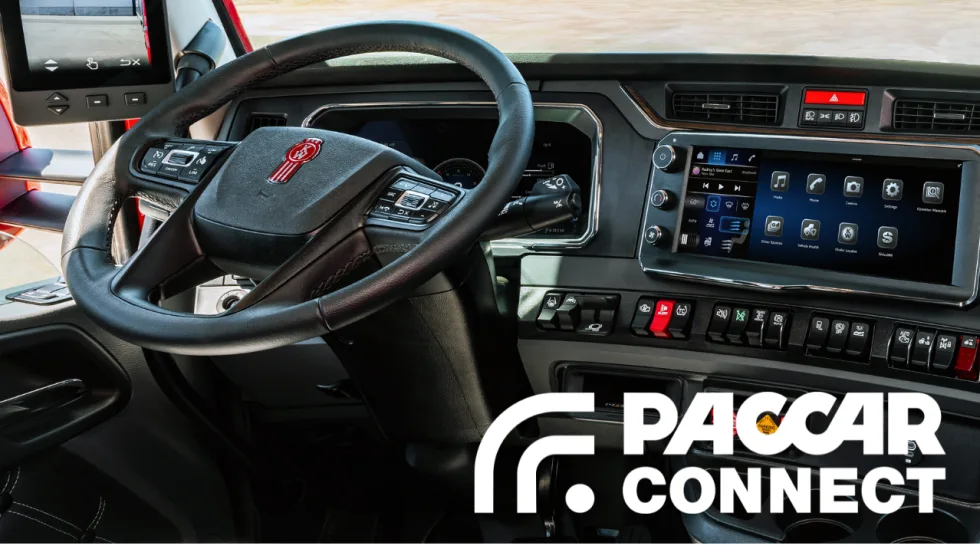
Paccar Launches Paccar Connect for Peterbilt and Kenworth Trucks
The new Paccar Connect offers touchscreen displays, telematics capabilities, and an expanding app ecosystem to boost productivity and streamline driver workflows.
Read More →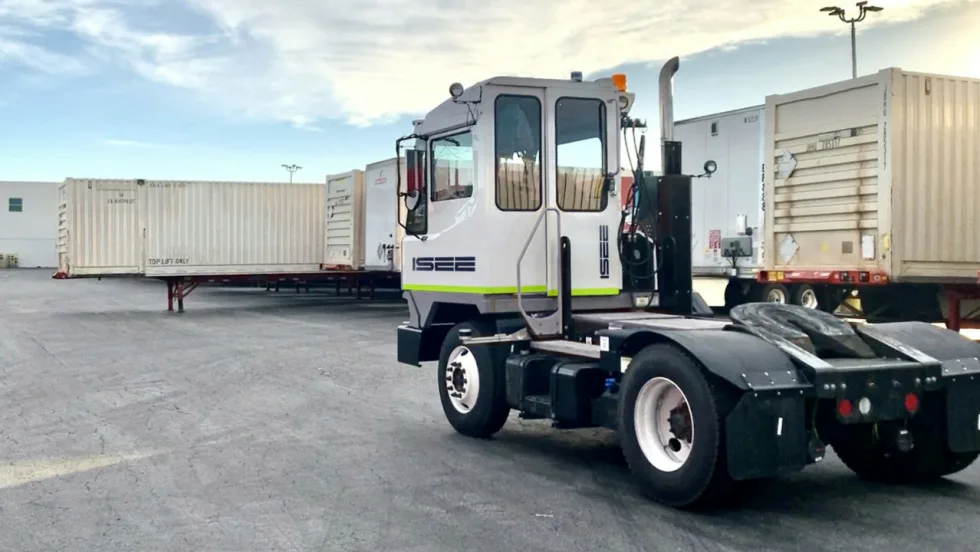
Holman and ISEE Partner to Expand Autonomous Yard Truck Operations
The partnership combines Holman's fleet management and upfitting capabilities with ISEE's autonomous driving technology to help businesses deploy and manage driverless yard trucks.
Read More →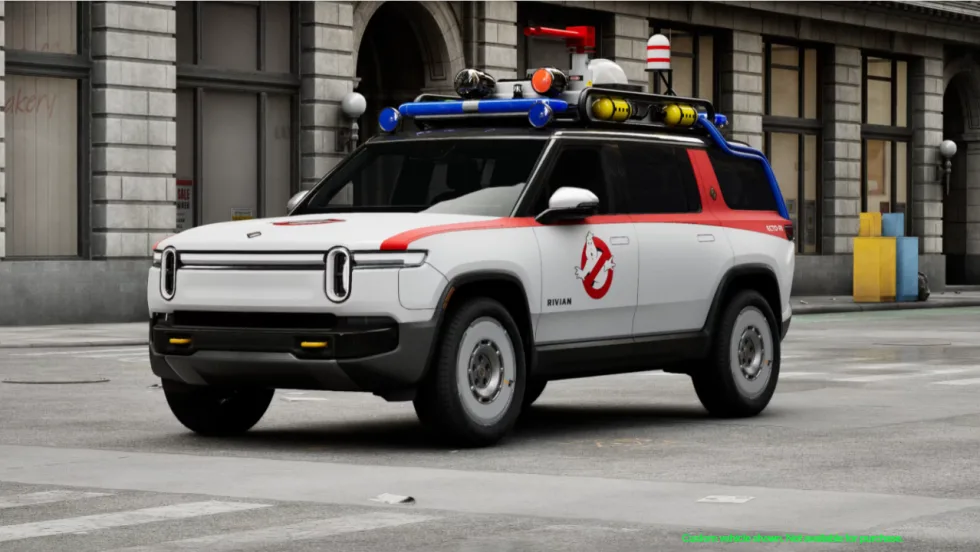
Who You Gonna Call? Rivian Turns Electric Vehicles Into Ghostbusters Rides
Rivian teams up with Sony Pictures for a Ghostbusters-inspired Halloween software update, complete with custom sounds, lighting effects, and a special Ecto-R1.
Read More →
The Second Trip and What Missing Tools Really Cost a Service Business
For service fleets, missing tools and equipment can lead to second trips, lost technician time, higher operating costs, and delayed jobs. Equipment tracking can help HVAC, plumbing, electrical, landscaping, and other service businesses improve visibility and reduce downtime.
Read More →
GeoFencing Adds to Your Truck Security Arsenal
Geofencing is a familiar fleet tool today, but its early adoption marked a major shift in vehicle tracking, route monitoring, and the debate over employee privacy.
Read More →
Geotab Data Shows Regional Trucking Growing Faster as Last Mile Routes Get Denser
Geotab's first U.S. supply chain report finds stable long-haul activity, stronger regional freight movement, tighter hub-and-spoke utilization, and more last-mile trips on shorter routes.
Read More →