




Denali National Park & Preserve Surveys Propane Autogas in Alaska's Wilderness
LIVONIA, MI - Denali National Park and Preserve has been weighing propane autogas against various alternative fuel options for their fleet vehicles by testing a ROUSH CleanTech propane autogas Ford F-250 over a six-week span.
LIVONIA, MI - Denali National Park and Preserve has been weighing propane autogas against various alternative fuel options for their fleet vehicles by testing a ROUSH CleanTech propane autogas Ford F-250 over a six-week span.
Propane autogas received a welcome reception in Alaska with the success of last month's Alaska Propane Technical Summit that exemplified how propane autogas technology can promote job growth and environmental sustainability throughout the state, capturing the interest of local municipalities, government officials and other stakeholders, including Matanuska Electric Association.
"One of the reasons we've looked at moving toward propane autogas has been to lower the amount of conventional liquid fuels that move across our state and spill onto rural roads and inside national parks," said John Quinley, assistant regional director for the National Park Services in Alaska.
Two ROUSH CleanTech propane autogas Ford F-250 pickup trucks have been demonstrating how propane autogas can perform in the sub-freezing Alaskan weather for the past nine months through a program coordinated by the Alaska Natural Gas Development Authority. But just how this clean-burning technology performs in the remote operations of Denali National Park - a 6 million acre wilderness with a single main road - has been the ultimate test of propane autogas performance.
"I'm using the ROUSH CleanTech pickup for my work in daily routine road maintenance, going out to check with the crews, looking at road conditions, and in daily supervision out in the park," said Tim Taylor, the east district road manager for Denali National Park and Preserve. "I've seen absolutely no difference whatsoever between it and the other vehicles in the fleet, other than the starting and fueling procedures. It has the same pep, same power and it pulls fine."
Many Alaskan fleets operate on ultra low sulfur diesel fuel that is trucked in by ice road trucks. The process is considered expensive and dangerous, and fuel spillage often occurs in remote locations where the terrain is rough. More than 4 million gallons of propane surfaces from the North Slope in Alaska every day, making this domestic alternative fuel readily available. In fact, 90 percent of all U.S. propane supplies are produced domestically. In addition, propane autogas is non-toxic and, if spilled, will not harm soil or groundwater.
"National Parks should be leaders in sound environmental practices because they are stewards of some of the most amazing landscapes in the country. By weighing alternative fuel options like propane autogas, we're taking steps toward reducing harmful environmental impacts," said Quinley. "Propane has so much availability in Alaska, so utilizing these propane autogas vehicles is a great match for Alaska National Park Service."
Propane autogas burns cleaner in engines than gasoline and diesel, resulting in reduced maintenance costs and the potential for a longer engine life. Historically, propane autogas costs about 30 percent less per gallon than gasoline.
"Denali National Park and Preserve, with its remote, rugged terrain, is the perfect place to prove ROUSH CleanTech propane autogas technology is an environmentally sustainable and economically feasible alternative fuel that can perform in the starkest of conditions, while minimizing operational costs for the park," said Todd Mouw, vice president of sales and marketing for ROUSH CleanTech. "Environmentally friendly propane autogas can help keep our national parks beautiful for many generations to come."
While the propane autogas vehicles work to prove their power and performance in the secluded parklands of Denali, additional Alaskan business fleet managers are showing interest in this alternative fuel solution.
"As a kid in Oklahoma 60 years ago, I drove tractors, trucks and cars that burned propane. They were extremely economical and the engines lasted forever. The crankcase oil never turned black. When disassembled for overhaul, the engine interior inside looked brand new. I have always been convinced propane is the fuel of the future - easily handled, economical, in great supply and clean burning," said Joe Griffith, CEO for Matanuska Electric Association. "I am going to try it for a backup fuel for my new 180 megawatt power plant and potentially some of our fleet vehicles."
More Green Fleet

Fleet Forward Conference Introduces One-Day Passes for 2026
New one-day registration gives fleet professionals the flexibility to attend Tuesday, Wednesday, or Thursday, with passes available for $199 through Sept. 18.
Read More →
CALSTART Rebrands as Catalyst Mobility, Will Combine with Forth in 2027
CALSTART has rebranded as Catalyst Mobility and will combine with Forth at the start of 2027. The new organization said it is poised to become one of the world's largest, strongest, and most impactful clean transportation nonprofits.
Read More →
Electric Truck and Charging Programs to Boost Sustainability at NY & NJ Ports
Together, the Port Authority of New York and New Jersey and CALSTART will electrify drayage and terminal operations serving the East Coast’s busiest container port. A pair of incentive programs totaling $45 million has launched to accelerate adoption of zero-emission drayage trucks and terminal tractors.
Read More →
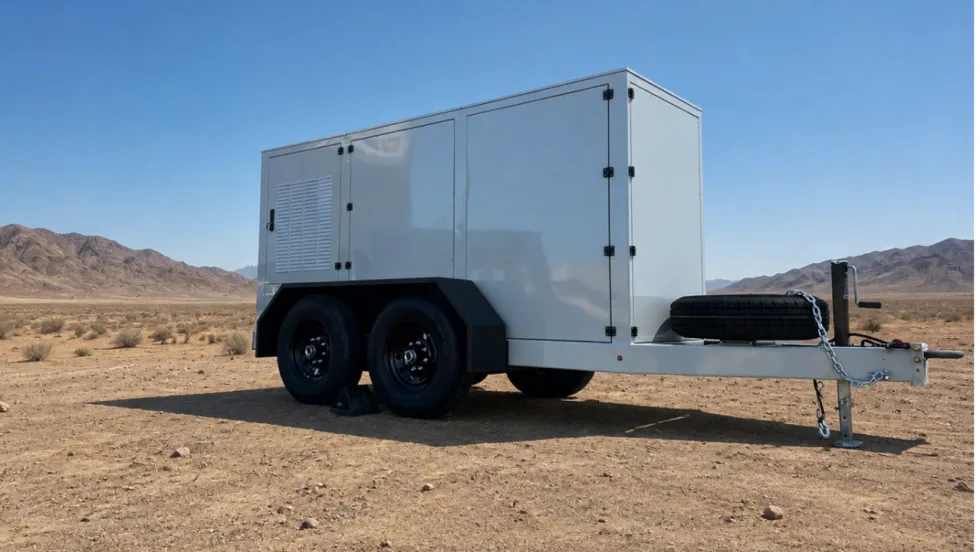
Xos Hub Surpasses One Gigawatt-Hour of Energy Delivered in the Field
A single Xos Hub has surpassed one gigawatt-hour of energy across more than 33,600 charging sessions in the field, demonstrating performance that supports Xos' expansion across new products and markets.
Read More →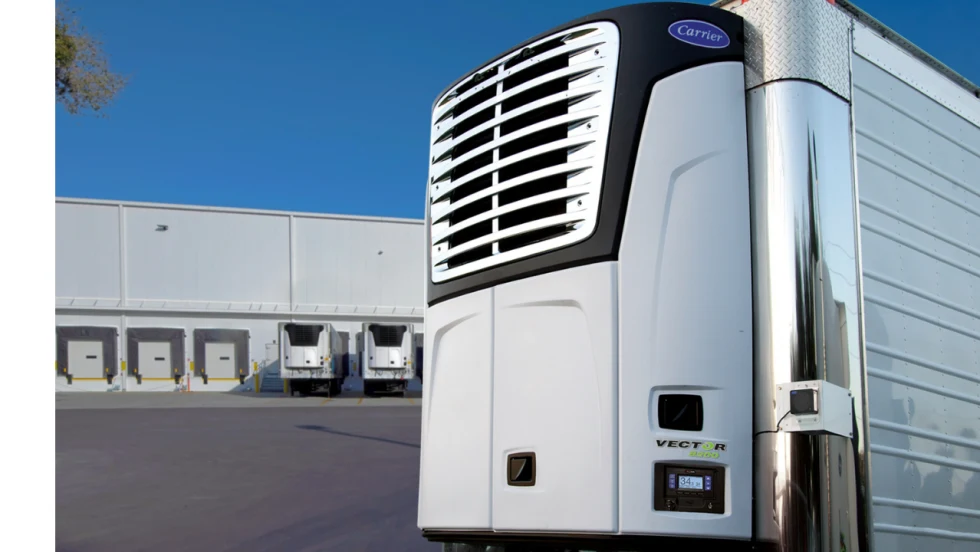
Carrier Transicold Launches All-Electric Vector 8200 TRU for Diesel-Free On-Site Cold Storage
Carrier Transicold’s first engineless multi-temperature TRU helps fresh- and frozen-food fleets add supplemental cold storage capacity during seasonal peaks.
Read More →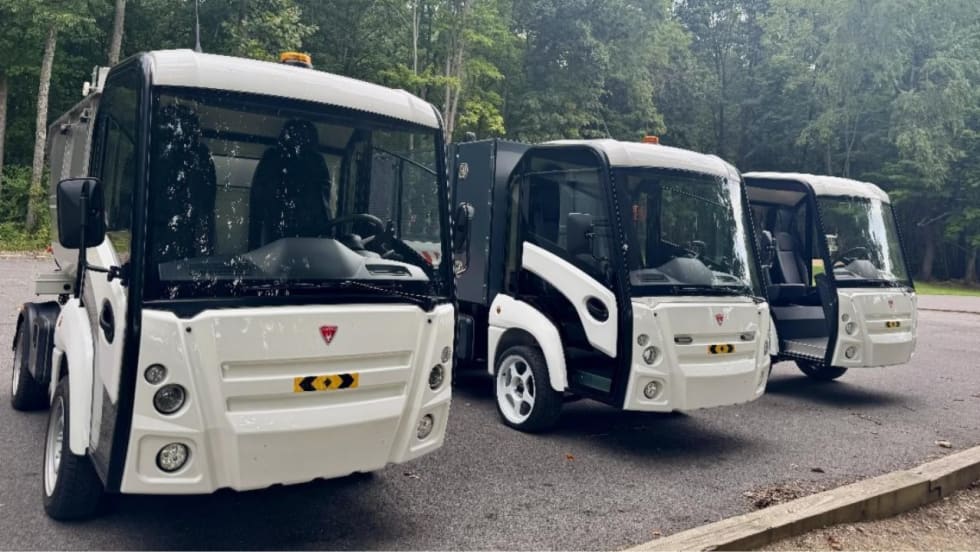
Narro Trucks Introduces Electric Utility Vehicle
Narro Trucks officially launched its operations on Aug. 20 and hosted a ride and drive to showcase its electric truck, which will be produced in Virginia.
Read More →
Samsung SDI Takes Full Control of GM Battery JV as Indiana Plant Pivots to Energy Storage
Samsung SDI is taking full control of its Indiana battery plant with GM, marking a major shift from the EV-focused joint venture Charged Fleet first covered in 2023.
Read More →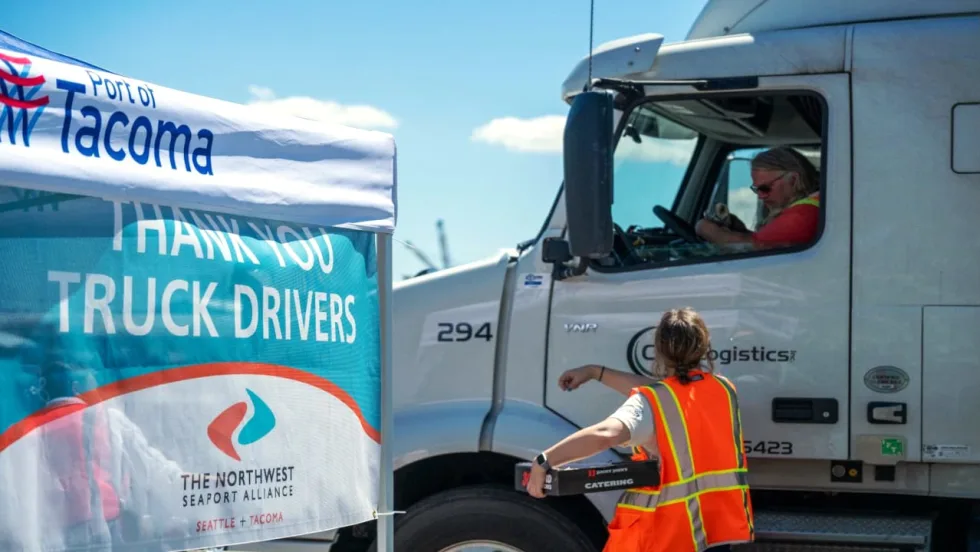
NWSA Taps CALSTART to Administer Zero-Emission Drayage Assistance Program
CALSTART will provide free technical assistance services to drayage fleets serving the Ports of Seattle and Tacoma and looking to transition to cleaner technologies and help decarbonize freight hubs.
Read More →
EV Fleet Reality Check: What Operators Wish They Knew Before Electrifying Their Work Vans
Electric work truck upfits bring new compatibility questions. Learn how parts availability, OEM guidance, power demands, and route planning can affect fleet performance.
Read More →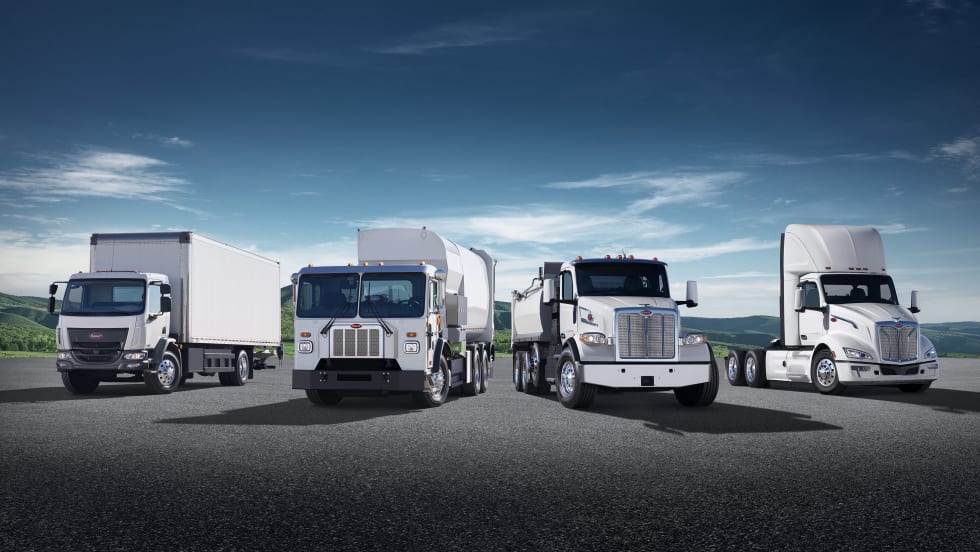
Peterbilt Expands Sourcewell Partnership with Electric Vehicle Lineup
Peterbilt Motors Company’s cooperative purchasing agreement with Sourcewell and its Canadian partner, Canoe Procurement Group, now includes including Peterbilt's battery-electric vehicle lineup.
Read More →