




Demands on Vehicular Electric Systems Drive Move to 42-volt Technology
The emerging market for 42-volt automotive electrical systems stands poised for rapid growth, driven by the need for more sophisticated technology than that used in currently prevalent 14-volt systems. A new analysis from Frost & Sullivan (transportation.frost.com), Impact of 42-Volt Electrical Systems on North American Automobiles, discusses the likely impact of a transition to higher-voltage systems on alternators, starters, batteries, and electronics. Original-equipment demand for batteries, for example, is projected to rise from 15.3 million in 2002 to 18.1 million in 2008, as vehicles start carrying two batteries. Battery revenues should grow even more strongly because most of the extra demand will be for 36-volt batteries, which are more expensive, according to the company. The company says 42-volt electrical systems offer significant benefits such as additional onboard electrical applications, enhanced safety through better vehicle handling, improved fuel economy, reduced emissions, and environmental friendliness. The need to initially retain two electrical systems, 14-volt and 42-volt, will pose a challenge, as this is an expensive proposition. To overcome this and other unresolved technical difficulties, manufacturers must convince automakers of the potential benefits of 42-volt systems and invest substantially in research and development of new technology, which will pave the way for the transition to the 42-volt standard. Frost & Sullivan is involved in strategic market consulting and training. This ongoing research is part of the North American Automotive OEM Market Subscription, which also includes market analyses on the North American Medium and Heavy-Duty Specialty Truck Market and the North American Automotive OE Wire Harness and Connector Market. Frost & Sullivan also offers custom consulting to a variety of national and international companies. Executive summaries and interviews are available to the press.
More Small Fleet

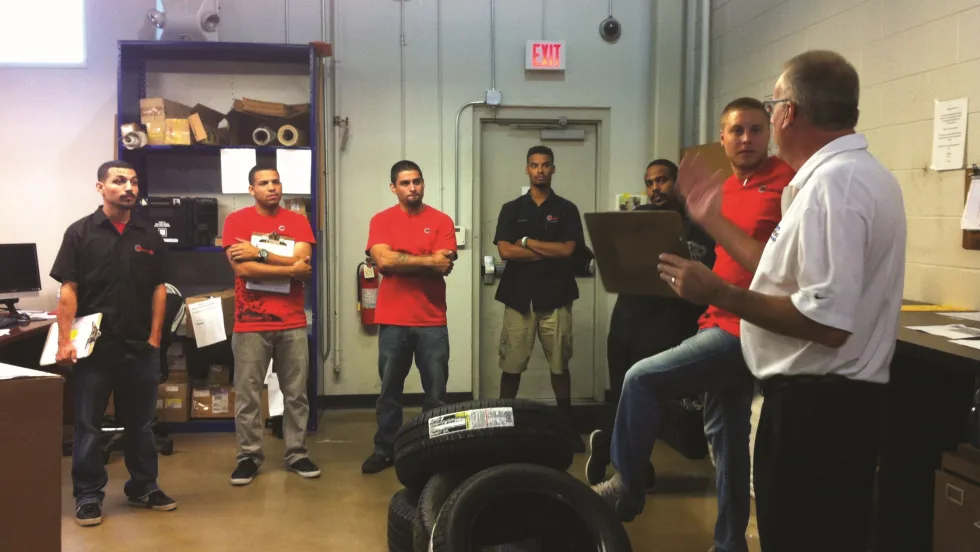
Developing Budget-Friendly Driver Safety Programs
From driver training and safety meetings to one-on-one coaching and incentive programs, several small fleets share how they have developed a safety culture with their drivers using low- to no-cost resources.
Read More →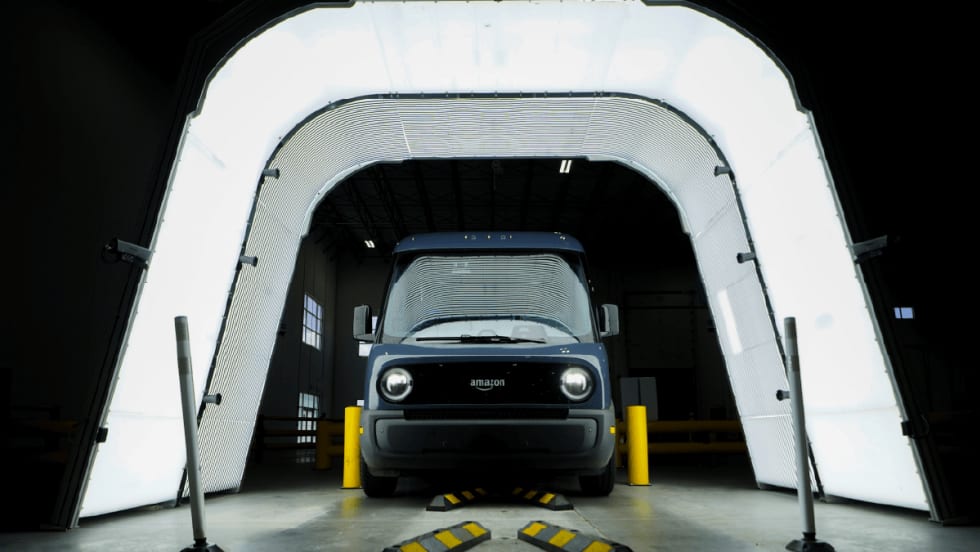
Boosting Last-Mile Fleet Uptime, Safety, and Value with AI Vehicle Inspections
AI-powered inspections are transforming last-mile fleets by replacing manual checks with highly accurate automated scans that detect defects in seconds. By giving fleet operations visibility into the daily condition of their vehicles, you can identify trends over the vehicle’s lifecycle that enable improved procurement decisions, route management, driver training and accountability.
Read More →
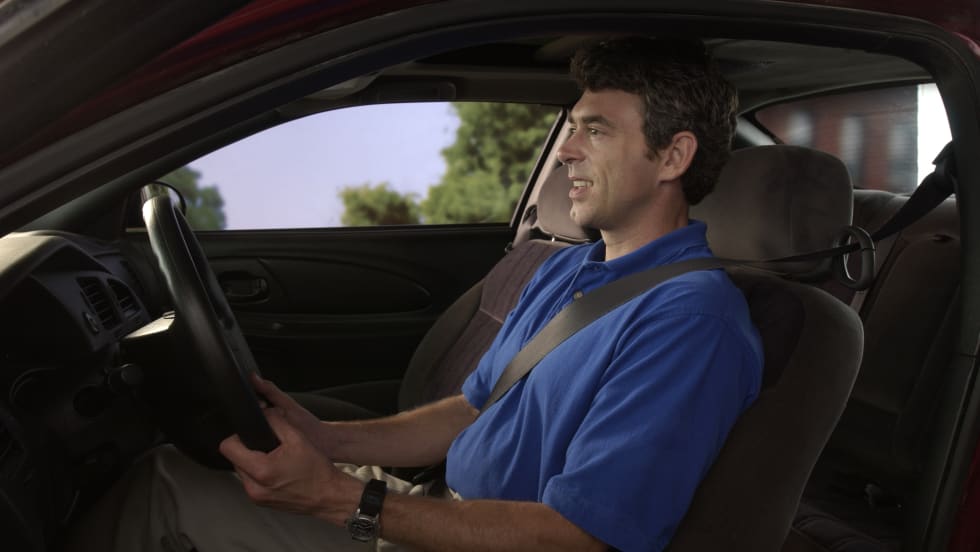
Five Ways Seat Belts Help Prevent Injuries
There are five ways seat belts protect occupants from injuries, according to the Tennessee Department of Safety and Homeland Security.
Read More →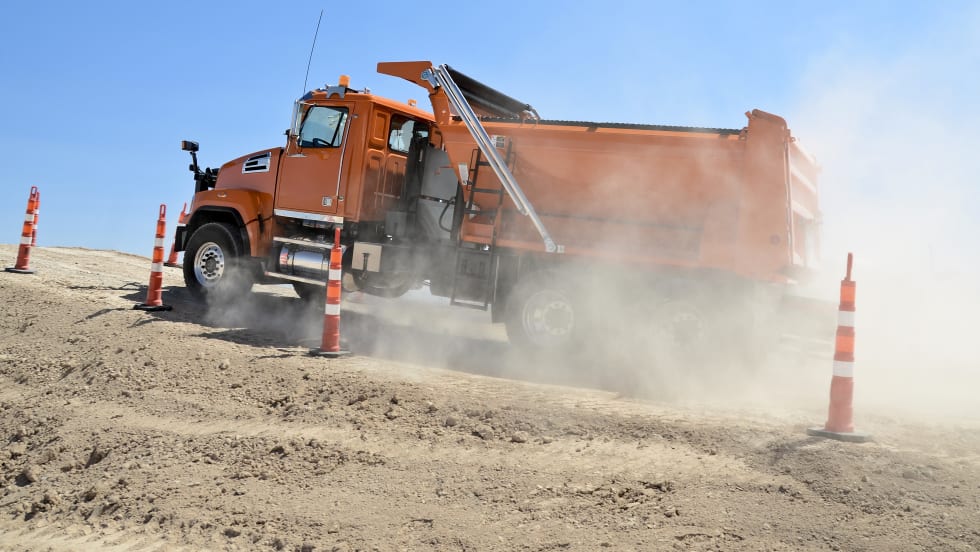
Basic Tracking vs Next Generation Fleet Technology
Fleet software is getting more sophisticated and effective than ever, tying big data models together to transform maintenance, safety, and the value of your existing tech stack. Fleet technology upgrades are undoubtedly an investment, but updated technology can offer a much higher return. Read how upgrading your fleet technology can increase the return on your investment.
Read More →
It’s here: The 2026 Fleet Technology Trends Report
What does AI mean for fleets? Get the answer — and learn other top tech trends.
Read More →
Small Fleets, Big Impact: How Independent Drivers Power Wreaths Across America
Check out how small fleets and independent drivers power Wreaths Across America each December and why their impact matters more than ever.
Read More →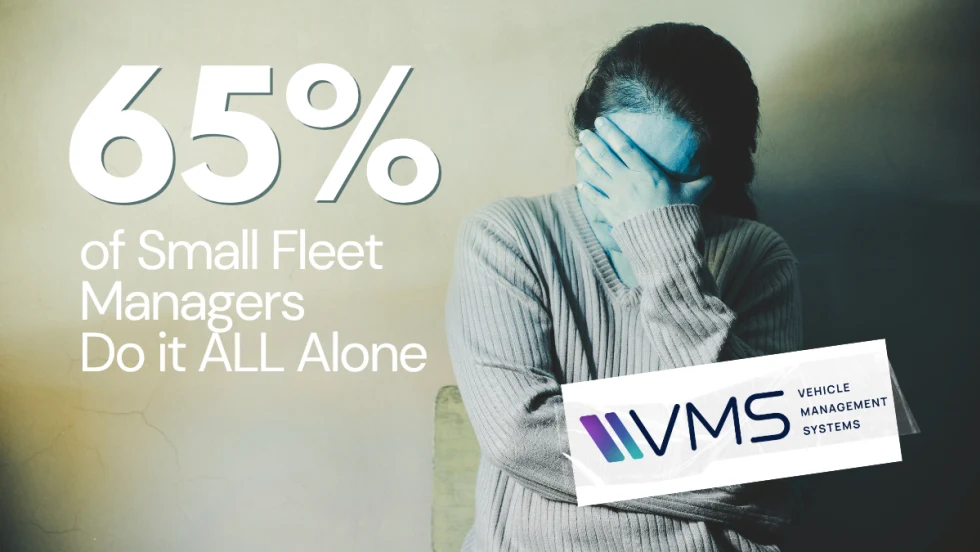
VMS Survey Finds 65% of Small Fleet Managers Run Operations Alone
A new VMS survey shows small fleet managers are stretched thin, with most handling operations solo and eager to adopt digital tools for relief.
Read More →
Tips for Driving Safely on Halloween Night
This video features a reminder from the Connecticut Department of Transportation (DOT) and the Connecticut Police Chiefs Association, urging drivers to prioritize safety this Halloween.
Read More →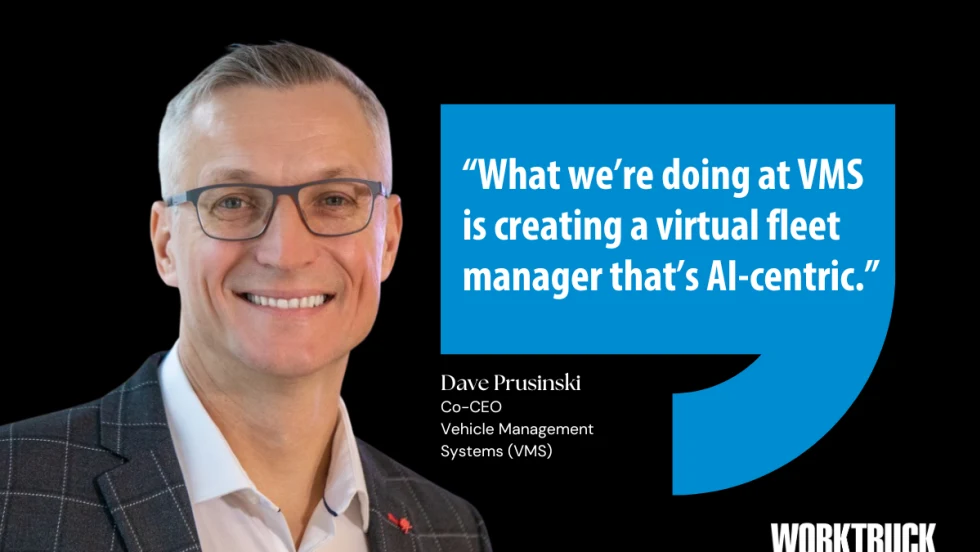
AI, Access, and Uptime: VMS’s Next Chapter with David Prusinski
VMS’s new Co-CEO, David Prusinski, shares how an AI-first approach will give small fleets and repair shops the tools to compete like big players.
Read More →