




DCX: Collaboration to Continue
The Board of Management of DaimlerChrysler AG announced on May 14 details on the future concept for the Chrysler Group under Cerberus Capital Management and the realignment of DaimlerChrysler AG.
The Board of Management of DaimlerChrysler AG announced on May 14 details on the future concept for the Chrysler Group under Cerberus Capital Management and the realignment of DaimlerChrysler AG.
In summary:
• Affiliate of Cerberus to acquire 80.1 percent equity interest in new company Chrysler Holding LLC; DaimlerChrysler AG to retain 19.9 percent
• Obligations for pensions and healthcare costs to be retained by Chrysler companies
• Transaction expected to result in net cash outflow of EUR 0.5 billion for DaimlerChrysler
• DaimlerChrysler’s net profit according to IFRS in 2007 to be reduced in a range of EUR 3-4 billion
• Equity ratio of DaimlerChrysler’s industrial business is expected to be over 40% by the beginning of 2008
• Extraordinary Shareholders’ Meeting to decide on change of name to Daimler AG
DaimlerChrysler CEO Dieter Zetsche and John Snow of Cerberus Capital Management made a joint statement that iterated continued corporation between the two new companies as business partners.
The joint programs include: conventional and alternative powertrain development, procurement activities and regional cooperation, cooperation in sales with financial services outside North America, shared logistics systems and more.
“To coordinate our common projects,” Snow said in a statement, “we’ll establish a Joint Automotive Council, where representatives from Daimler and Chrysler will coordinate ongoing projects and evaluate the potential of new ones. This Council will be led by board-level members from each company.”
More Small Fleet


Developing Budget-Friendly Driver Safety Programs
From driver training and safety meetings to one-on-one coaching and incentive programs, several small fleets share how they have developed a safety culture with their drivers using low- to no-cost resources.
Read More →
Boosting Last-Mile Fleet Uptime, Safety, and Value with AI Vehicle Inspections
AI-powered inspections are transforming last-mile fleets by replacing manual checks with highly accurate automated scans that detect defects in seconds. By giving fleet operations visibility into the daily condition of their vehicles, you can identify trends over the vehicle’s lifecycle that enable improved procurement decisions, route management, driver training and accountability.
Read More →

Five Ways Seat Belts Help Prevent Injuries
There are five ways seat belts protect occupants from injuries, according to the Tennessee Department of Safety and Homeland Security.
Read More →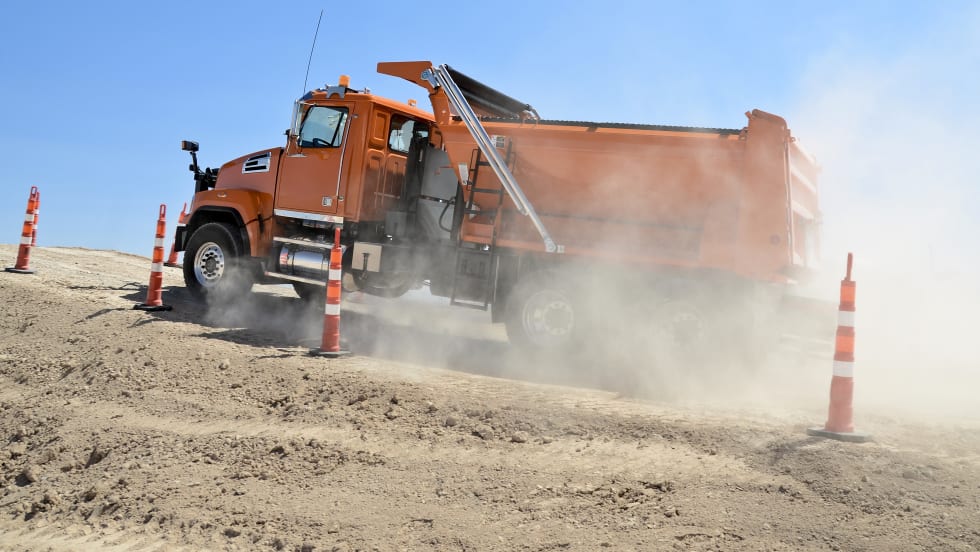
Basic Tracking vs Next Generation Fleet Technology
Fleet software is getting more sophisticated and effective than ever, tying big data models together to transform maintenance, safety, and the value of your existing tech stack. Fleet technology upgrades are undoubtedly an investment, but updated technology can offer a much higher return. Read how upgrading your fleet technology can increase the return on your investment.
Read More →
It’s here: The 2026 Fleet Technology Trends Report
What does AI mean for fleets? Get the answer — and learn other top tech trends.
Read More →
Small Fleets, Big Impact: How Independent Drivers Power Wreaths Across America
Check out how small fleets and independent drivers power Wreaths Across America each December and why their impact matters more than ever.
Read More →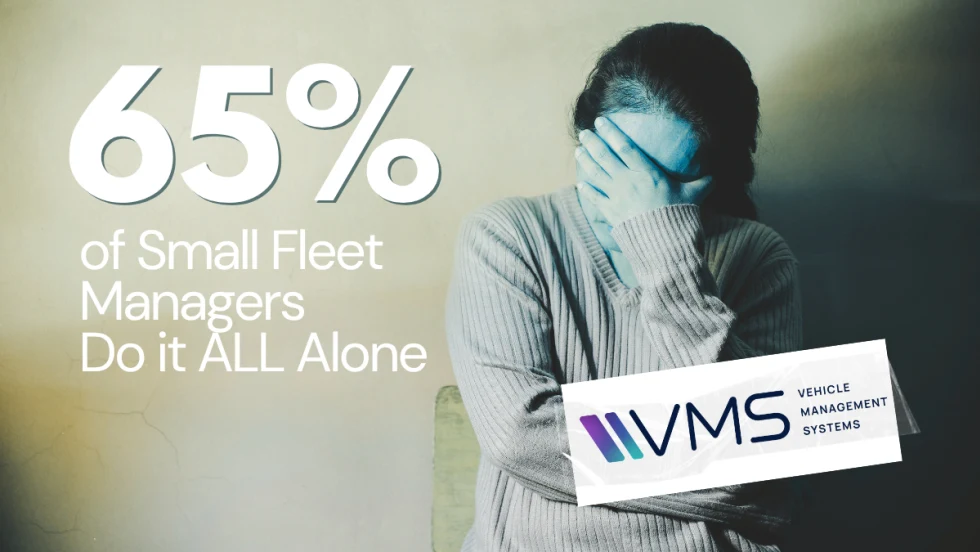
VMS Survey Finds 65% of Small Fleet Managers Run Operations Alone
A new VMS survey shows small fleet managers are stretched thin, with most handling operations solo and eager to adopt digital tools for relief.
Read More →
Tips for Driving Safely on Halloween Night
This video features a reminder from the Connecticut Department of Transportation (DOT) and the Connecticut Police Chiefs Association, urging drivers to prioritize safety this Halloween.
Read More →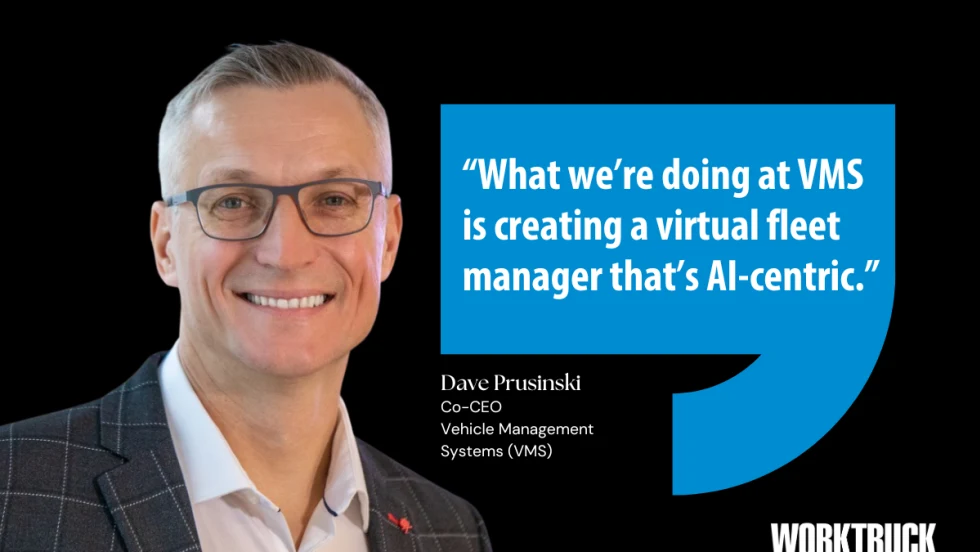
AI, Access, and Uptime: VMS’s Next Chapter with David Prusinski
VMS’s new Co-CEO, David Prusinski, shares how an AI-first approach will give small fleets and repair shops the tools to compete like big players.
Read More →