





Learn More: DC Water Uses Biodiesel to Fuel its Fleet
DC Water Awarded Grant for Heavy-Duty Trucks
Additional new vehicles expand the total number of trucks running B100 in the DC Water fleet to 31.
November 4, 2021
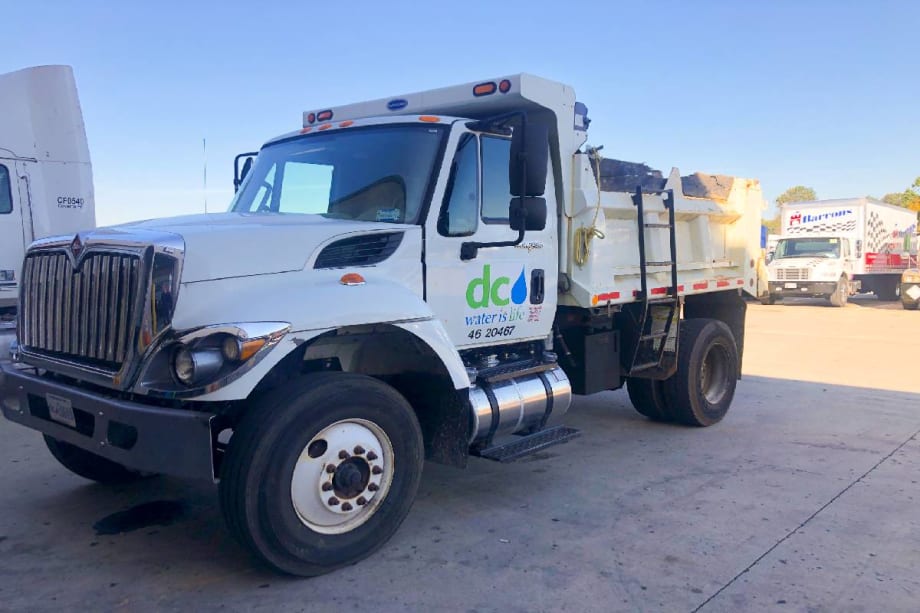
Additional new vehicles expand the total number of trucks running B100 in the DC Water fleet to 31.
Photo: DC Water
2 min to read
Through funds granted by the EPAs Diesel Emissions Reduction Act (DERA) program, the Greater Washington Region Clean Cities Coalition (GWRCCC) and DC Water have secured funds to purchase an additional 12 trucks equipped with Optimus Technologies' 100% biodiesel (B100) advanced fuel system technology. Using B100 allows DC Water to reduce their Scope 1 CO2 emissions in their heavy-duty fleet vehicles by over 90%. Following an initial pilot project of 10 Optimus equipped vehicles launched in 2020, and a previous DERA funding award for nine B100 vehicles, the 12 additional new vehicles expand the total number of vehicles running B100 in the DC Water fleet to 31.
Tim Fitzgerald, fleet director for DC Water and recent recipient of GWRCCC’s DC Visionary Award, said the company went from using B10 to B20 and is now at B100. Biodiesel is a cleaner burning fuel, and there’s no degradation in terms of fuel or operations. Biodiesel reduces many of the harmful pollutants, irritants, and carcinogens associated with petroleum-based fuels.
Optimus Technologies upgraded 10 existing DC Water dump trucks in 2020 as part of a pilot program to test the viability of B100 in heavy-duty vehicles in year-round operations with the DC Water fleet. The Optimus Vector System heats and conditions B100 to be used in modern DPF and SCR equipped engines regardless of how cold it gets outside.
Following the successful pilot, DC Water used funds from a previous DERA award to purchase nine new vehicles that came equipped with the Vector System already installed. The option to purchase new vehicles equipped with the Optimus technology, as well as retrofitting existing fleet assets, allows for flexibility and choice when deciding how to best implement Optimus’ carbon reduction technology in fleet operations.
With 575 light-, medium-, and heavy-duty vehicles in the DC Water Fleet, it’s important to attack emissions with methods that make the most sense. In light-duty vehicles, electrification and renewable natural gas work great. However, for heavy-duty applications, the power of biodiesel shines.
B100 and the Vector System help DC Water reduce emissions in vehicles, like dump trucks and Vactor trucks, that are difficult to decarbonize with current competing technologies. DC has established goals of 50% carbon reduction by 2032 and carbon neutrality by 2050 for all city operations, and the carbon reductions DC Water achieves with these heavy-duty assets places them well on the path to achieving their goals.
Additional partners on the DC Water project include the biodiesel fuel supplier Renewable Energy Group (REG), public outreach partners, Metropolitan Washington Council of Government, National Biodiesel Foundation, and National Biodiesel Board, as well as Equnival Partners, a community engagement firm based in Washington, DC.
More Green Fleet

Fleet Forward Conference Introduces One-Day Passes for 2026
New one-day registration gives fleet professionals the flexibility to attend Tuesday, Wednesday, or Thursday, with passes available for $199 through Sept. 18.
Read More →
CALSTART Rebrands as Catalyst Mobility, Will Combine with Forth in 2027
CALSTART has rebranded as Catalyst Mobility and will combine with Forth at the start of 2027. The new organization said it is poised to become one of the world's largest, strongest, and most impactful clean transportation nonprofits.
Read More →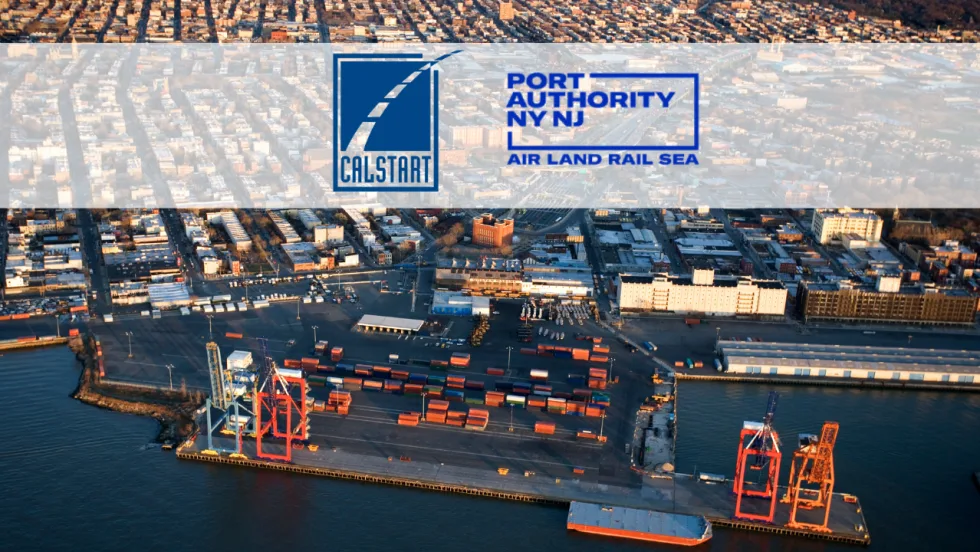
Electric Truck and Charging Programs to Boost Sustainability at NY & NJ Ports
Together, the Port Authority of New York and New Jersey and CALSTART will electrify drayage and terminal operations serving the East Coast’s busiest container port. A pair of incentive programs totaling $45 million has launched to accelerate adoption of zero-emission drayage trucks and terminal tractors.
Read More →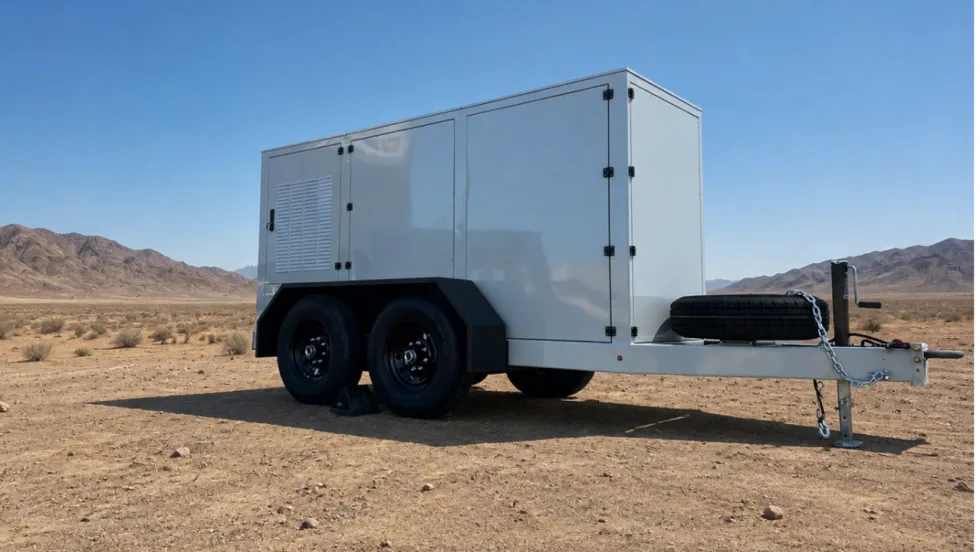
Xos Hub Surpasses One Gigawatt-Hour of Energy Delivered in the Field
A single Xos Hub has surpassed one gigawatt-hour of energy across more than 33,600 charging sessions in the field, demonstrating performance that supports Xos' expansion across new products and markets.
Read More →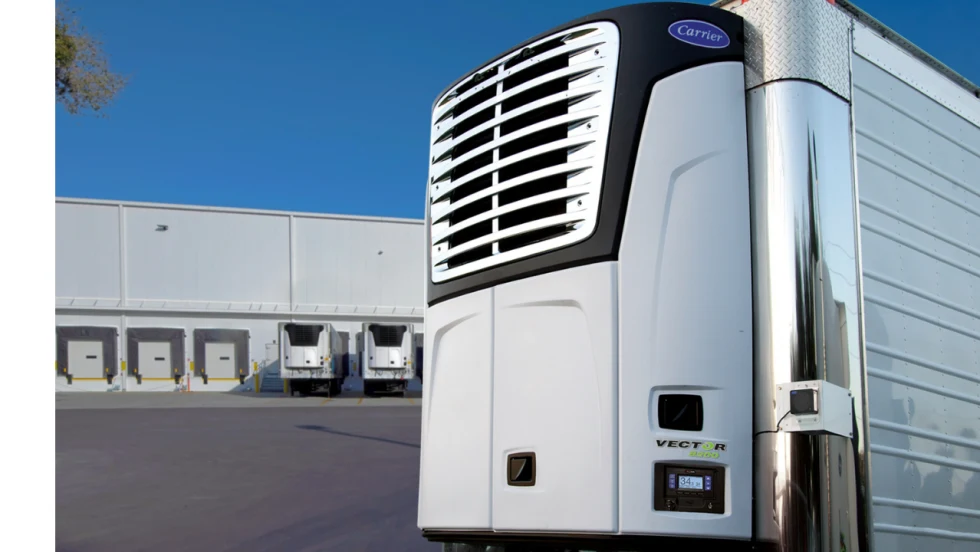
Carrier Transicold Launches All-Electric Vector 8200 TRU for Diesel-Free On-Site Cold Storage
Carrier Transicold’s first engineless multi-temperature TRU helps fresh- and frozen-food fleets add supplemental cold storage capacity during seasonal peaks.
Read More →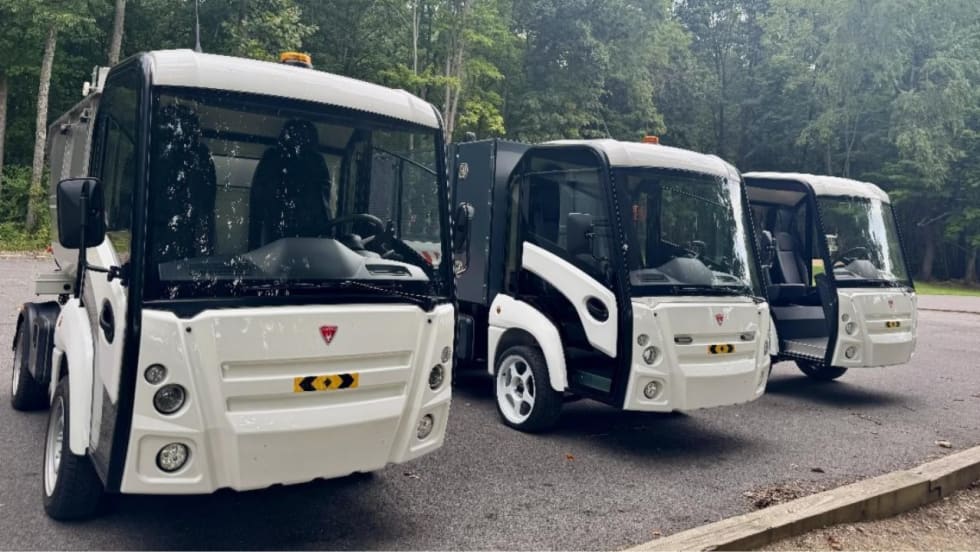
Narro Trucks Introduces Electric Utility Vehicle
Narro Trucks officially launched its operations on Aug. 20 and hosted a ride and drive to showcase its electric truck, which will be produced in Virginia.
Read More →
Samsung SDI Takes Full Control of GM Battery JV as Indiana Plant Pivots to Energy Storage
Samsung SDI is taking full control of its Indiana battery plant with GM, marking a major shift from the EV-focused joint venture Charged Fleet first covered in 2023.
Read More →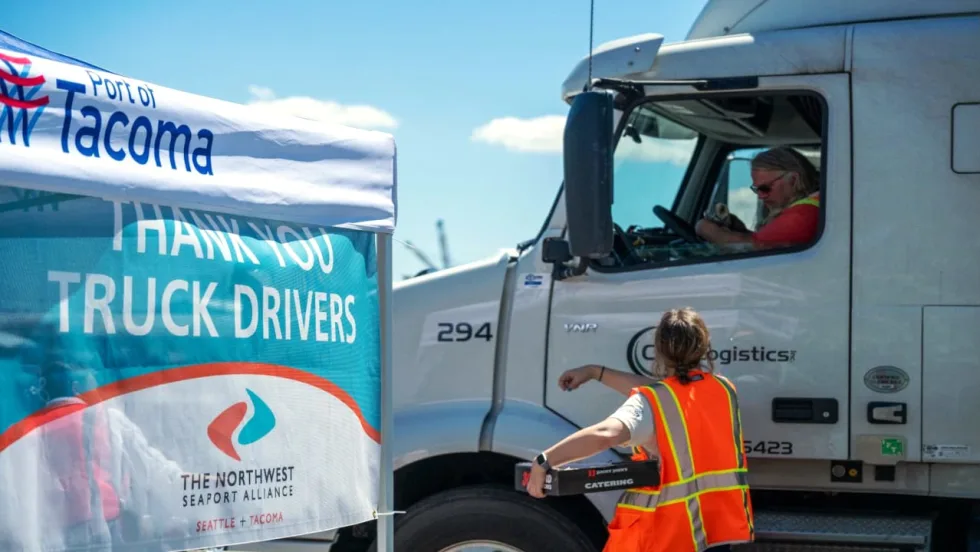
NWSA Taps CALSTART to Administer Zero-Emission Drayage Assistance Program
CALSTART will provide free technical assistance services to drayage fleets serving the Ports of Seattle and Tacoma and looking to transition to cleaner technologies and help decarbonize freight hubs.
Read More →
EV Fleet Reality Check: What Operators Wish They Knew Before Electrifying Their Work Vans
Electric work truck upfits bring new compatibility questions. Learn how parts availability, OEM guidance, power demands, and route planning can affect fleet performance.
Read More →
Peterbilt Expands Sourcewell Partnership with Electric Vehicle Lineup
Peterbilt Motors Company’s cooperative purchasing agreement with Sourcewell and its Canadian partner, Canoe Procurement Group, now includes including Peterbilt's battery-electric vehicle lineup.
Read More →