




DaimlerChrysler's GEM Neighborhood Electric Vehicles Sales In California Top 10,000 Mark
More than 10,000 citizens in California are
using DaimlerChrysler Corporation's Global Electric Motorcars (GEM)
neighborhood electric vehicles (NEVs) for short-distance commutes, in and around gated communities, and on local streets in urban
settings, according to a recent study on travel behavior.
The study found that owners are using GEMs instead of their conventional
cars and light trucks for short commutes, which generate the highest
vehicle emissions due to cold operations.
According to the company, approximately 18,000 GEMs have been in service throughout the United States
since 1998 in such places as gated communities, military bases, college
campuses and in numerous communities through municipalities. Given a
choice of travel modes for short trips, participants chose a neighborhood
electric vehicle 85 percent of the time, according to the study.
Twenty-eight families who live in Otay Ranch's village of Heritage, a
master plan community near San Diego, participated in the 60-day study,
which was sponsored by the City of Chula Vista and the Otay Ranch Company
in coordination with GEM and two non-profit organizations, Mobility Lab of
Boulder, Colo.; and Green Car Institute of San Luis Obispo, Calif.
The study was conducted to determine how residents of master-planned
communities travel within their neighborhoods, and how zero-emission NEVs
could replace automobiles on most short trips.
"We're very interested in these study results," said Rick Kasper, president
of GEM. "They document what we've seen in the marketplace: that the NEV is
a true transportation alternative, not just a novelty."
Kasper says the study results are important because they quantify the value
of the GEM as a viable transportation and land use option that can help
shape the way cities and communities can grow by increasing individual
mobility while decreasing traffic congestion and air pollution.
"The GEM vehicle can and does represent a practical travel option," Kasper
adds, "particularly when people take short trips of necessity, such as
going to the store, picking up or dropping off kids at school, and going to
work. This study adds concrete science that proves what we've seen for
years: the value of a GEM is real, and people really depend on them."
The Otay Ranch study shows that of the trips taken in NEVs, nearly half
were for purposes defined as "business" or "delivery," meaning trips of
necessity. Approximately 35 percent of the short-distance trips taken were
classified as "leisure," while the remaining trips were designated
"other."
"What this shows us is that half the trips taken in a GEM were necessary
trips formerly taken in the family car," says Kasper. "The other part of
the equation is that 38 percent of GEM trips were 'leisure' trips, meaning
a whole lot of trips were taken just for fun. And anyone who has driven a
GEM knows how fun driving this electric vehicle can be."
Of the 28 families who participated in the test program, more than half
plan to buy and regularly drive their test vehicles, a move Kasper said
will further raise awareness of the GEM's fun and functionality among the
7,000 households currently at Otay Ranch.
About Global Electric Motorcars
Global Electric Motorcars, the largest U.S. producer of street-legal
electric vehicles, has been manufacturing the GEM neighborhood electric
vehicle since 1998. The GEM is designed for downtown driving,
college campuses, office campuses, planned communities, industrial parks,
military installations, resorts, and similar localized uses. A GEM is charged by plugging into a
standard 110-volt household outlet. GEM complies with all applicable
federal safety laws and is approved for use on roads with speeds of 35-mph
or less in nearly 30 states.
Global Electric Motorcars, based in Fargo, N.D., has experience
working with planned communities, universities, military bases, resorts,
and small and large urban settings throughout the United States. GEM
vehicles have become a key mode of transportation in numerous locations
around the nation, including DC Ranch in Scottsdale, Ariz.; Celebration in
Florida; Bay Harbor in Michigan; and the Playa Vista planned community in
West Los Angeles.
More Small Fleet
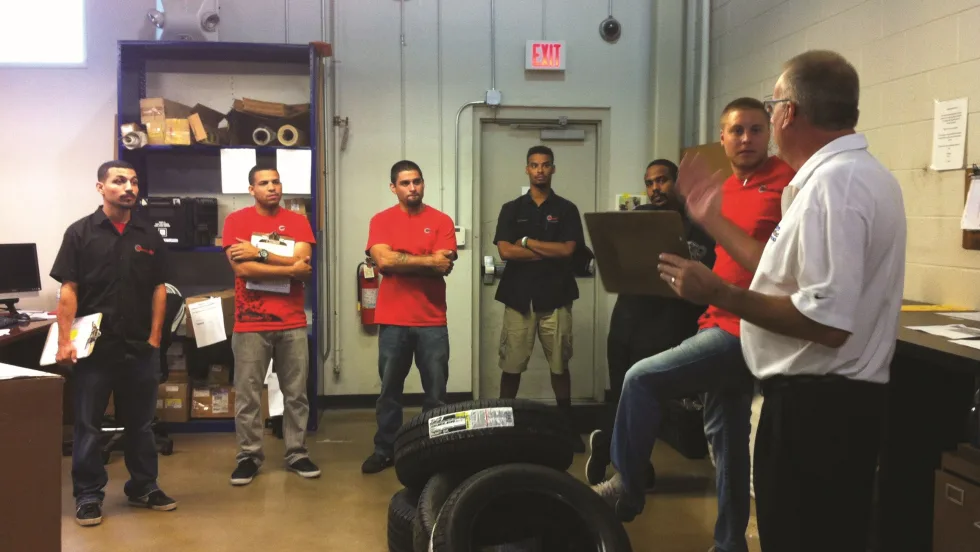
Developing Budget-Friendly Driver Safety Programs
From driver training and safety meetings to one-on-one coaching and incentive programs, several small fleets share how they have developed a safety culture with their drivers using low- to no-cost resources.
Read More →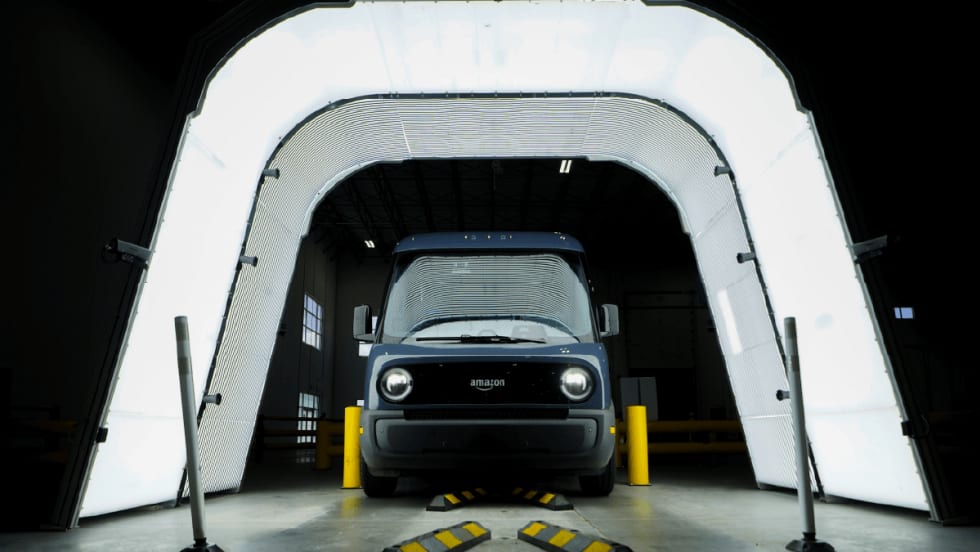
Boosting Last-Mile Fleet Uptime, Safety, and Value with AI Vehicle Inspections
AI-powered inspections are transforming last-mile fleets by replacing manual checks with highly accurate automated scans that detect defects in seconds. By giving fleet operations visibility into the daily condition of their vehicles, you can identify trends over the vehicle’s lifecycle that enable improved procurement decisions, route management, driver training and accountability.
Read More →
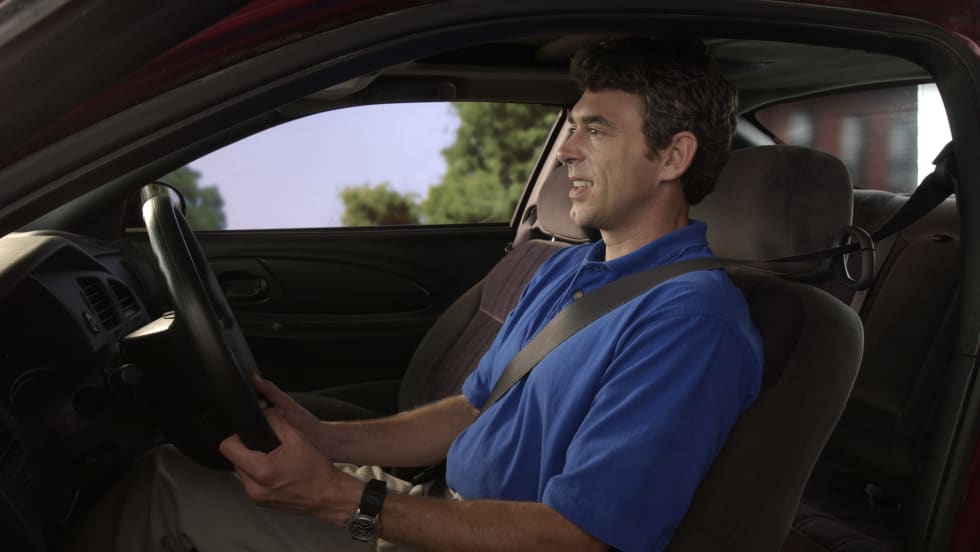
Five Ways Seat Belts Help Prevent Injuries
There are five ways seat belts protect occupants from injuries, according to the Tennessee Department of Safety and Homeland Security.
Read More →
Basic Tracking vs Next Generation Fleet Technology
Fleet software is getting more sophisticated and effective than ever, tying big data models together to transform maintenance, safety, and the value of your existing tech stack. Fleet technology upgrades are undoubtedly an investment, but updated technology can offer a much higher return. Read how upgrading your fleet technology can increase the return on your investment.
Read More →
It’s here: The 2026 Fleet Technology Trends Report
What does AI mean for fleets? Get the answer — and learn other top tech trends.
Read More →
Small Fleets, Big Impact: How Independent Drivers Power Wreaths Across America
Check out how small fleets and independent drivers power Wreaths Across America each December and why their impact matters more than ever.
Read More →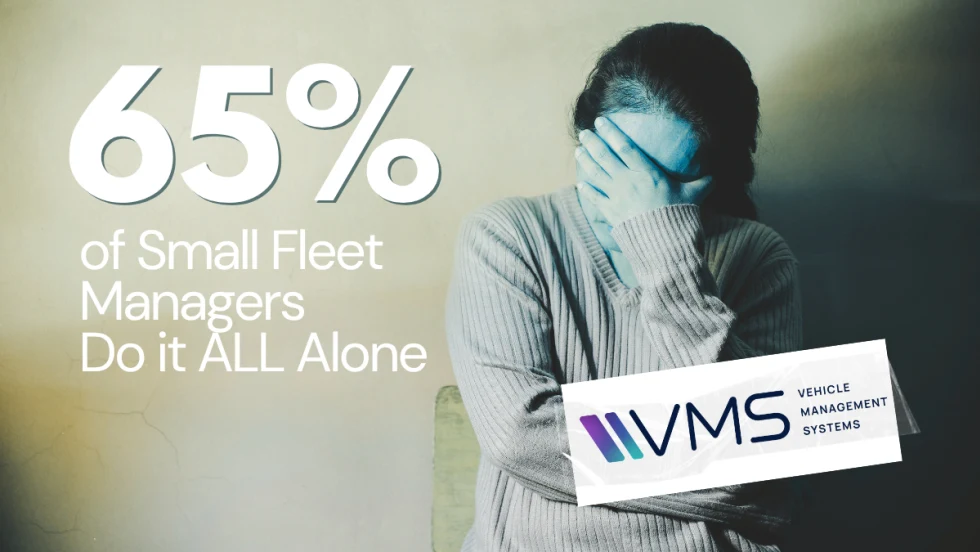
VMS Survey Finds 65% of Small Fleet Managers Run Operations Alone
A new VMS survey shows small fleet managers are stretched thin, with most handling operations solo and eager to adopt digital tools for relief.
Read More →
Tips for Driving Safely on Halloween Night
This video features a reminder from the Connecticut Department of Transportation (DOT) and the Connecticut Police Chiefs Association, urging drivers to prioritize safety this Halloween.
Read More →
AI, Access, and Uptime: VMS’s Next Chapter with David Prusinski
VMS’s new Co-CEO, David Prusinski, shares how an AI-first approach will give small fleets and repair shops the tools to compete like big players.
Read More →