




DaimlerChrysler Offers 7-Year/100,000-Mile Powertrain Warranty to Fleet Customers
DaimlerChrysler has announced a seven-year/100,000-mile powertrain wimited warranty to all qualified fleet customers for the months of January, February and March. This powertrain limited warranty will pay the total cost (parts and labor), less $100 deductible per visit to correct a mechanical failure caused by a defect in materials or workmanship of a covered component for seven years after the factory warranty start date or until the vehicle odometer reaches 100,000 miles, whichever occurs first. Covered Components
Gasoline engine (cylinder block and internal parts, cylinder head assemblies, gears and sprockets, oil pump, water pump, valve covers, oil pan, fuel injectors, etc.)
Diesel engine (cylinder block and all internal parts, cylinder head assemblies, fuel injection pump, oil pump, water pump, valve covers, etc.)
Transmission (transmission case and internal parts, torque converter, control module, bell housing, oil pan, seals and gaskets)
Front wheel drive (transaxle case and internal parts, axle shaft assemblies, joints and boots, tranaxle electronic controller, etc.)
Rear wheel drive (rear axle housing and internal parts, axle shaft and bearings, drive shaft assemblies and bearings, universal joints and yoke, seals and gaskets)
Four wheel drive (transfer case and internal parts, axle housing and internal parts, axle shafts and bearings, drive shafts assemblies, seals and gaskets, etc.)
All wheel drive (power transfer unit and internal parts, viscous coupler, axle housing and internal parts, joints and boots, drive shaft and axle shaft assemblies, etc.)
All 2002 model year fleet orders received between Jan. 1, 2002 and March 31, 2002 will be covered by this warranty. Fleet sales to commercial users with a DaimlerChrysler Fleet Account Number (FAN) (Type 3), lease companies with an end-user FAN (Type 5) and leases to individuals (Type 6) are eligible for this limited warranty. End users with DaimlerChrysler VIP codes are ineligible.
More Small Fleet

Developing Budget-Friendly Driver Safety Programs
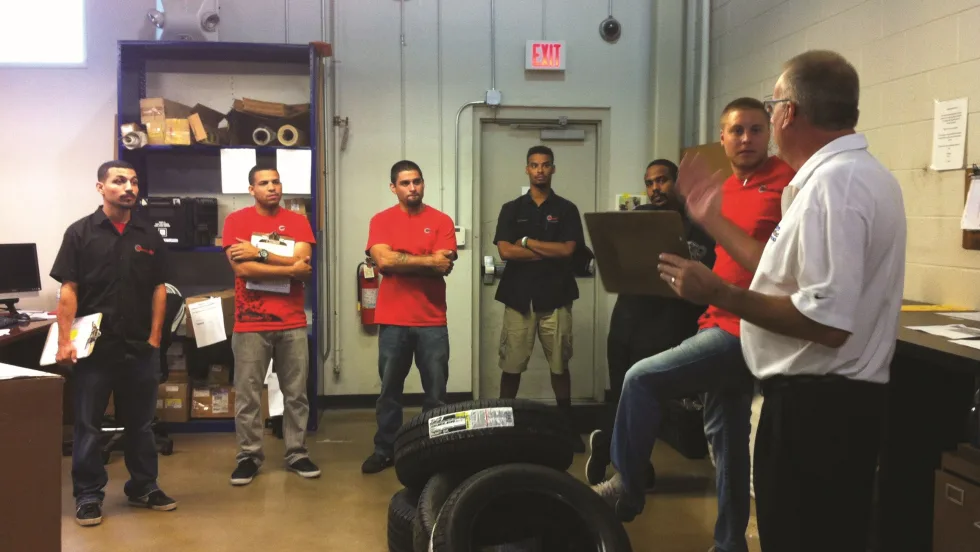
From driver training and safety meetings to one-on-one coaching and incentive programs, several small fleets share how they have developed a safety culture with their drivers using low- to no-cost resources.
Read More →
Boosting Last-Mile Fleet Uptime, Safety, and Value with AI Vehicle Inspections
AI-powered inspections are transforming last-mile fleets by replacing manual checks with highly accurate automated scans that detect defects in seconds. By giving fleet operations visibility into the daily condition of their vehicles, you can identify trends over the vehicle’s lifecycle that enable improved procurement decisions, route management, driver training and accountability.
Read More →

Five Ways Seat Belts Help Prevent Injuries
There are five ways seat belts protect occupants from injuries, according to the Tennessee Department of Safety and Homeland Security.
Read More →
Basic Tracking vs Next Generation Fleet Technology
Fleet software is getting more sophisticated and effective than ever, tying big data models together to transform maintenance, safety, and the value of your existing tech stack. Fleet technology upgrades are undoubtedly an investment, but updated technology can offer a much higher return. Read how upgrading your fleet technology can increase the return on your investment.
Read More →
It’s here: The 2026 Fleet Technology Trends Report
What does AI mean for fleets? Get the answer — and learn other top tech trends.
Read More →
Small Fleets, Big Impact: How Independent Drivers Power Wreaths Across America
Check out how small fleets and independent drivers power Wreaths Across America each December and why their impact matters more than ever.
Read More →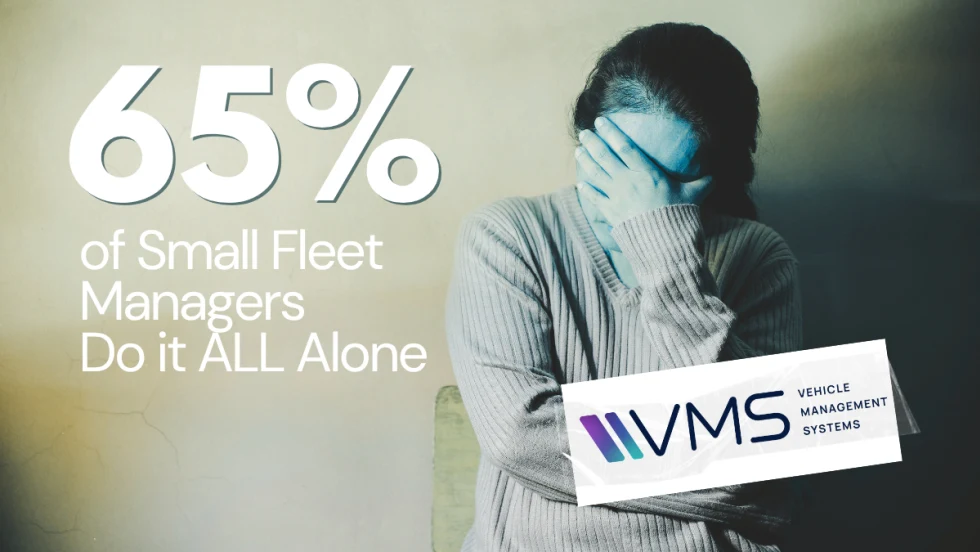
VMS Survey Finds 65% of Small Fleet Managers Run Operations Alone
A new VMS survey shows small fleet managers are stretched thin, with most handling operations solo and eager to adopt digital tools for relief.
Read More →
Tips for Driving Safely on Halloween Night
This video features a reminder from the Connecticut Department of Transportation (DOT) and the Connecticut Police Chiefs Association, urging drivers to prioritize safety this Halloween.
Read More →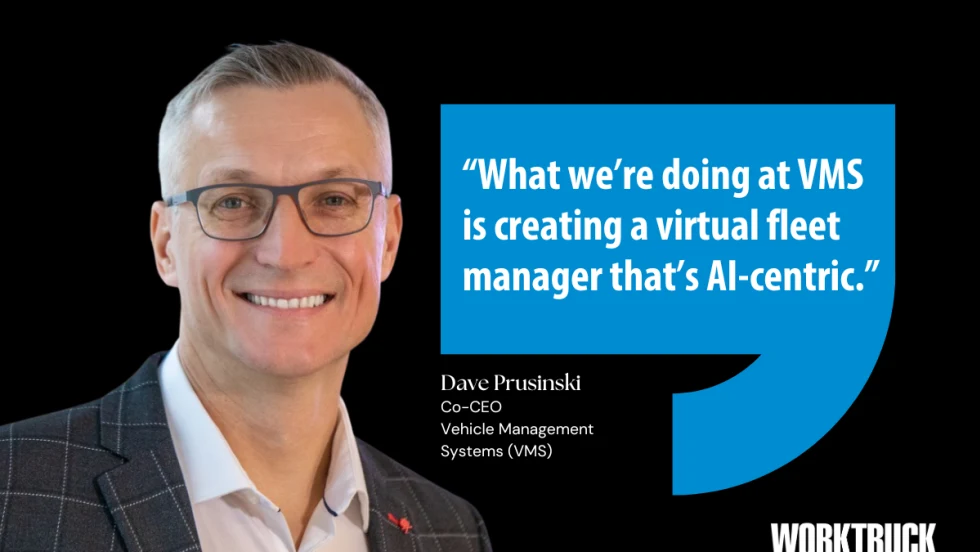
AI, Access, and Uptime: VMS’s Next Chapter with David Prusinski
VMS’s new Co-CEO, David Prusinski, shares how an AI-first approach will give small fleets and repair shops the tools to compete like big players.
Read More →