




DaimlerChrysler Fuel-Cell Minivan To Be Featured in Pentagon Display
The Chrysler Town & Country Natrium, DaimlerChrysler's fuel-cell concept vehicle running on clean, nonflammable, and recyclable sodium borohydride fuel, participated in a ride-and-drive display program at the Pentagon at the request of acting Secretary of the Navy, Honorable H.T. Johnson. This program took place on April 21 as part of Earth Day celebrations and was an opportunity for top military officials to experience the advantages of the Chrysler Natrium fuel-cell vehicle. According to the company, the Natrium is the first fuel-cell powered vehicle built to operate on sodium borohydride, a fuel made from borax which is a mineral available in abundant supply in the Western United States. In the Natrium minivan, this technology delivers the environmental benefits of a fuel-cell vehicle without the loss of cargo or passenger space, while providing a range of 300 miles, longer than any other fuel-cell vehicle. Hydrogen is extracted from sodium borohydride to power the fuel cell. Sodium borohydride is a compound chemically related to borax, the naturally-occurring substance commonly used in laundry soap. "Chrysler Group has a long and proud history of supporting our national defense efforts," said Bernard I Robertson, senior vice president, Research and Regulatory Affairs. "This unique technology could have great benefits for the military: in particular, it is nonflammable, greatly improving safety in battle zones, and the main ingredient can be transported as a dry powder, dramatically reducing the enormous logistical demands of fueling our military in advanced battle settings. "In addition, the greater fleet fuel efficiency would greatly reduce the amount of fuel used by our armed forces--fuel that can cost hundreds of dollars per gallon to deliver to the battlefield. And this technology produces zero smog-forming and greenhouse gases, contributing to a cleaner environment. Finally, sodium borohydride has the potential to reduce or eliminate our dependence on oil for our transportation needs." The U.S. armed forces have expressed interest in alternative-fuel vehicles in order to stretch the military's mobility into the future with improved fuel economy and range. Benefits include a decreased dependency on oil which significantly decreases cost of operation and increases the range and reach of individual task forces, says the company.
More Small Fleet

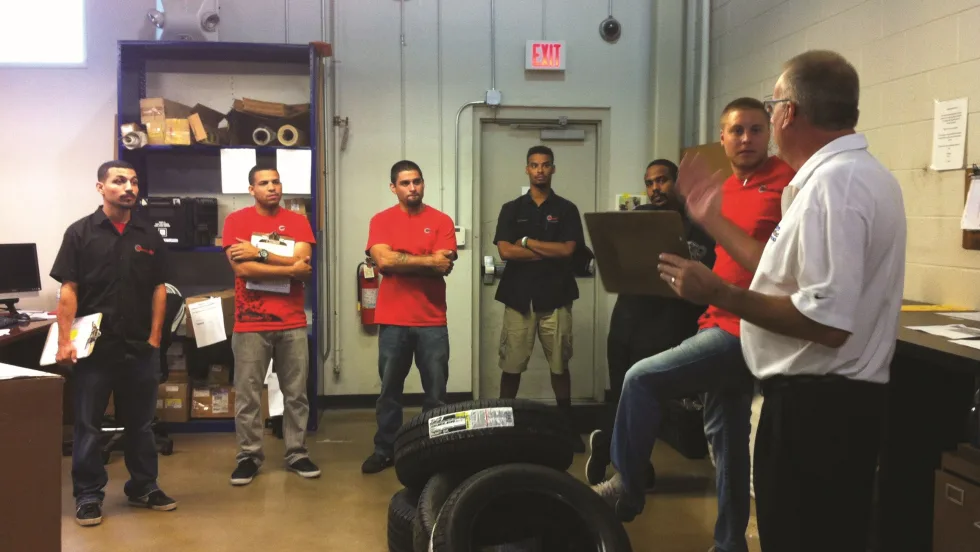
Developing Budget-Friendly Driver Safety Programs
From driver training and safety meetings to one-on-one coaching and incentive programs, several small fleets share how they have developed a safety culture with their drivers using low- to no-cost resources.
Read More →
Boosting Last-Mile Fleet Uptime, Safety, and Value with AI Vehicle Inspections
AI-powered inspections are transforming last-mile fleets by replacing manual checks with highly accurate automated scans that detect defects in seconds. By giving fleet operations visibility into the daily condition of their vehicles, you can identify trends over the vehicle’s lifecycle that enable improved procurement decisions, route management, driver training and accountability.
Read More →

Five Ways Seat Belts Help Prevent Injuries
There are five ways seat belts protect occupants from injuries, according to the Tennessee Department of Safety and Homeland Security.
Read More →
Basic Tracking vs Next Generation Fleet Technology
Fleet software is getting more sophisticated and effective than ever, tying big data models together to transform maintenance, safety, and the value of your existing tech stack. Fleet technology upgrades are undoubtedly an investment, but updated technology can offer a much higher return. Read how upgrading your fleet technology can increase the return on your investment.
Read More →
It’s here: The 2026 Fleet Technology Trends Report
What does AI mean for fleets? Get the answer — and learn other top tech trends.
Read More →
Small Fleets, Big Impact: How Independent Drivers Power Wreaths Across America
Check out how small fleets and independent drivers power Wreaths Across America each December and why their impact matters more than ever.
Read More →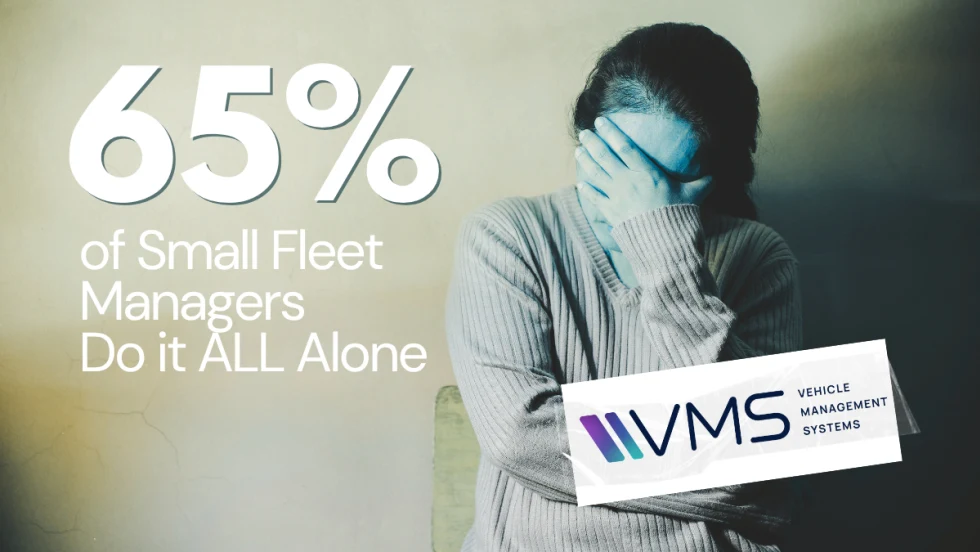
VMS Survey Finds 65% of Small Fleet Managers Run Operations Alone
A new VMS survey shows small fleet managers are stretched thin, with most handling operations solo and eager to adopt digital tools for relief.
Read More →
Tips for Driving Safely on Halloween Night
This video features a reminder from the Connecticut Department of Transportation (DOT) and the Connecticut Police Chiefs Association, urging drivers to prioritize safety this Halloween.
Read More →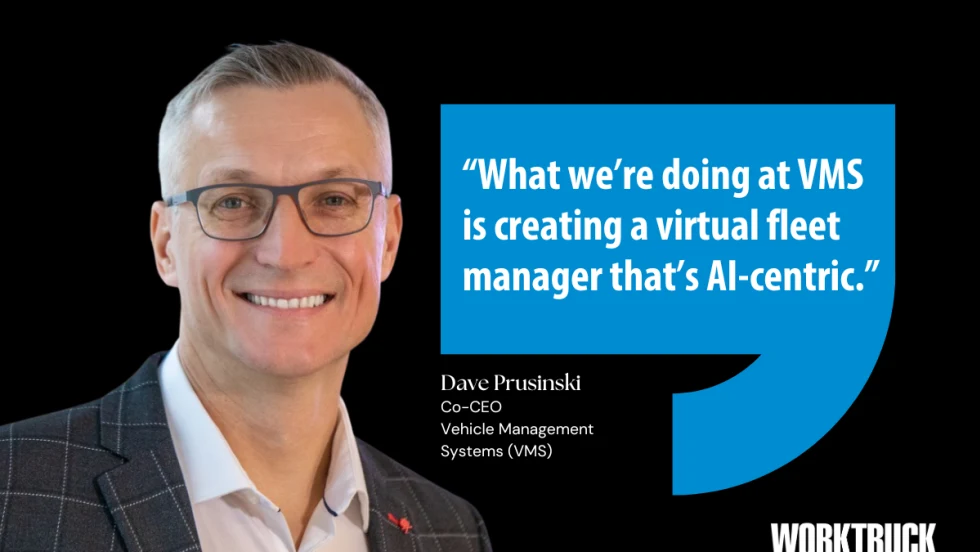
AI, Access, and Uptime: VMS’s Next Chapter with David Prusinski
VMS’s new Co-CEO, David Prusinski, shares how an AI-first approach will give small fleets and repair shops the tools to compete like big players.
Read More →