




Customers Becoming Less Loyal to Car Manufacturers, Brands: Polk Study
Almost half of the new-vehicle buyers last year switched manufacturers and more than half changed brands. The Polk Company, a Michigan-based research firm that tracks auto-industry trends through new-vehicle registrations, says the overall loyalty rate for buyers returning to the same manufacturer dropped to 54 percent in the 2000 model year from 56 percent in 1999. General Motors had the highest loyalty rate among manufacturers at 65 percent. Ford Motor Company was second at 63 percent and Toyota Motor Sales (including Lexus) was third at 51. Polk defines loyalty as when someone purchases a replacement or a second vehicle built by the same manufacturer. Consumers are also less loyal to individual brands (or makes). According to Polk, only 43 percent of new-vehicle buyers in 2000 stayed with the same brand, down from more than 44 percent each of the previous four years. The Ford division had the highest brand loyalty, 58.6 percent. Chevrolet was second at 51 percent and Toyota was third at 48. Unhappy owners usually defect to a different brand the first chance they get, but even happy ones are no cinch to return. In an industry where 40 brands offer hundreds of models competing for the hearts and dollars of American consumers, with many dangling rebates, low-rate financing and other enticements, brand loyalty appears to be taking a back seat. Though owner loyalty declined in 2000, the rate fluctuates from year to year and may not be a trend, according to Melissa Schubart, who directs Polk's loyalty studies. Appealing new models such as the Escape and hefty incentives that swept the industry last year can push people to defect to other brands, Schubart said. GM has posted the highest manufacturer's loyalty in four of the five years that Polk conducted its survey. But analysts point out that GM is more dependent on repeat business than any manufacturer, a sign the company is not attracting many new customers. GM's industry-leading showing in the Polk loyalty survey suggests the company should be enjoying healthy sales, yet GM lost ground in 2000. While industry sales hit a record 17.4 million cars and light trucks last year, GM's sales declined 1.3 percent, to 4.9 million units, and its market share slid to 28.3 percent from 29.4. Toyota and Lexus sales, on the other hand, grew 10 percent last year and gained market share. Loyalty is just one piece of the puzzle, according to Polk's Schubart. "Sales volume depends not only on loyalty but also on conquests and how many first-time buyers they have," Schubart said. One market segment where GM and Ford have the edge on Toyota is in full-size trucks. Until Toyota introduced the Tundra full-size pickup in 2000, the only players were Ford, GM and Dodge. Polk's survey rates brand loyalty among full-size pickup owners at 33 percent, higher than any segment. Cadillac and Buick score well in loyalty but rely too heavily on repeat customers, according to analysts. The average age of Cadillac and Buick buyers is more than 60, among the highest in the industry. Almost half of Cadillac's sales are to current owners, and 40 percent of buyers trade in an old Cadillac. Lincoln's average buyer also is near 60 because the same people keep buying its staid luxury sedans, but the Navigator SUV draws younger buyers to the brand and gives it more hope for the future. Cadillac and Lincoln formerly were first and second in luxury sales, but Lincoln finished 2000 in third behind Lexus and Mercedes-Benz, and Cadillac ended up fifth behind BMW. Future Cadillac and Buick models will be aimed at younger buyers, but neither division will make a U-turn away from its loyal owners the way Oldsmobile did, according to Bill Lovejoy, GM's group vice president for sales, service and marketing. Polk ranks Volkswagen 22nd in brand loyalty, but analysts say VW is a healthy brand that brings in a substantial number of new customers. Only 10 percent of Volkswagen's sales are to owners who trade in an old VW. The rest are adding a car to the family fleet or are conquests -- people who owned or might have bought a different brand. Volkswagen has been on a roll the last five years and its sales jumped nearly 13 percent last year, to more than 355,000. Others, such as Daewoo, Kia and Isuzu, also attract lots of new customers, mainly because of their low prices. Those buyers will likely buy a different make next time around, according to analysts, which means those brands have to start from ground zero with almost every sale.
More Small Fleet


Developing Budget-Friendly Driver Safety Programs
From driver training and safety meetings to one-on-one coaching and incentive programs, several small fleets share how they have developed a safety culture with their drivers using low- to no-cost resources.
Read More →
Boosting Last-Mile Fleet Uptime, Safety, and Value with AI Vehicle Inspections
AI-powered inspections are transforming last-mile fleets by replacing manual checks with highly accurate automated scans that detect defects in seconds. By giving fleet operations visibility into the daily condition of their vehicles, you can identify trends over the vehicle’s lifecycle that enable improved procurement decisions, route management, driver training and accountability.
Read More →
Five Ways Seat Belts Help Prevent Injuries
There are five ways seat belts protect occupants from injuries, according to the Tennessee Department of Safety and Homeland Security.
Read More →
It’s here: The 2026 Fleet Technology Trends Report
What does AI mean for fleets? Get the answer — and learn other top tech trends.
Read More →
Small Fleets, Big Impact: How Independent Drivers Power Wreaths Across America
Check out how small fleets and independent drivers power Wreaths Across America each December and why their impact matters more than ever.
Read More →
VMS Survey Finds 65% of Small Fleet Managers Run Operations Alone
A new VMS survey shows small fleet managers are stretched thin, with most handling operations solo and eager to adopt digital tools for relief.
Read More →
Tips for Driving Safely on Halloween Night
This video features a reminder from the Connecticut Department of Transportation (DOT) and the Connecticut Police Chiefs Association, urging drivers to prioritize safety this Halloween.
Read More →
AI, Access, and Uptime: VMS’s Next Chapter with David Prusinski
VMS’s new Co-CEO, David Prusinski, shares how an AI-first approach will give small fleets and repair shops the tools to compete like big players.
Read More →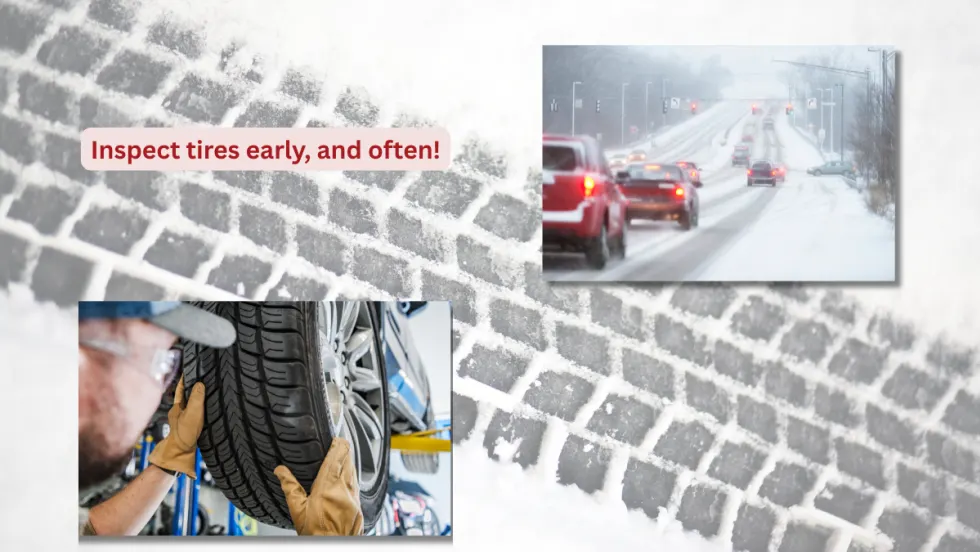
Fleet Managers Share Winter Prep Tips: It's Never Too Early!
Three fleets share best practices to prep vehicles for winter and prevent downtime when the cold sets in.
Read More →