





Background News: Rivian To Expand Manufacturing Capacity
Customer Pushback Dislodges a Price Rollback from Rivian
A 20% price increase on its electric pickup truck did not go over well. The company president announces they will return preorder holders back to their original prices.
March 3, 2022
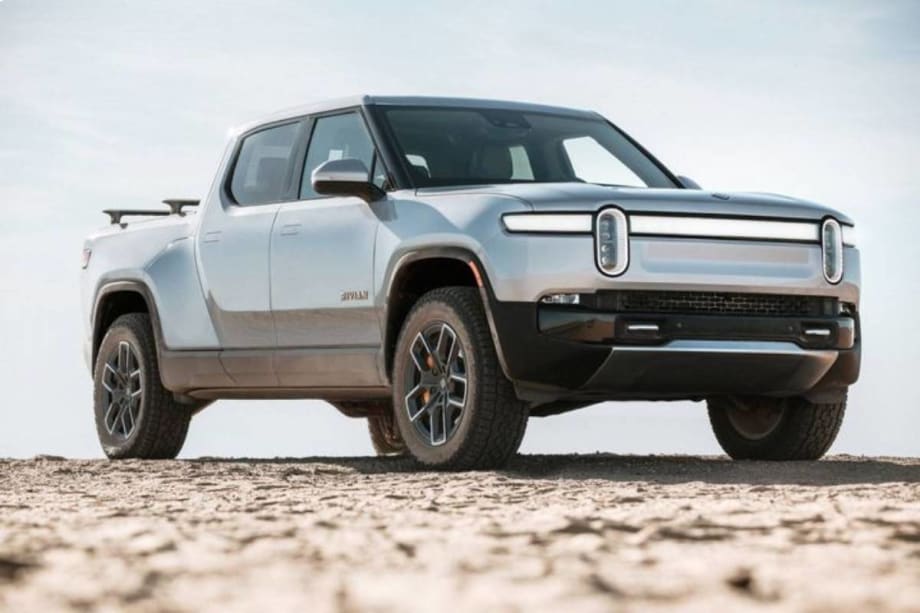
The Rivian R1T all-electric pickup truck would have cost 20% more under a price increase that Rivian later canceled for preorder customers.
Photo: Rivian
3 min to read
Electric pickup truck manufacturer Rivian on March 3 pulled back a steep price increase from customers who had placed pre-orders after many of them contacted the company to complain about the increase.
In a letter sent out on press release newswires, Rivian CEO RJ Scaringe stated the company will honor the original price for anyone with a preorder as of the March 1 price increase announcement. The company also will restore the original price for anyone who canceled their preorder on or after March 1 and wants to reinstate it. Rivian will email customers with more details in coming days.
According to media reports, the base price of the Rivian R1T electric pickup would have risen to about $79,500 from $67,500, while the R1S SUV to $84,500 from $70,000. The 2022 Rivian R1T is the first mass-produced electric truck in the U.S., according to Motor Trend. The vehicle also has a 300-mile estimated range and can be switched to two-wheel drive.
In the letter, Scaringe cited the pressures of rising inflation that have spurred higher costs for the components and materials used to build Rivian models. "Earlier this week, we announced pricing increases that broke the trust we have worked to build with you," he wrote. "Everything from semiconductors to sheet metal to seats has become more expensive and with this we have seen average new vehicle pricing across the U.S. rise more than 30% since 2018."
After intense customer pushback, Rivian canceled the price increase. "In speaking with many of you over the last two days, I fully realize and acknowledge how upset many of you felt," Scaringe wrote. "I have made a lot of mistakes since starting Rivian more than 12 years ago, but this one has been the most painful. I am truly sorry and committed to rebuilding your trust."
As the company figured how to update prices to reflect the cost increases, it "wrongly" decided to apply them to all future deliveries, including pre-existing configured preorders. "We failed to appreciate how you viewed your configuration as price locked, and we wrongly assumed the announced dual-motor and standard battery pack would provide configurations that would deliver price points similar to your original configuration. While this was the logic, it was wrong and we broke your trust in Rivian.
Scaringe closed out his letter asking customers for their continuous feedback. For future pricing, he said the company plans to maintain lower starting prices on its vehicles while balancing those against more costly components.
"One of the things we talk about a lot internally is that we will make mistakes – it’s part of building something complex," Scaringe wrote. "The key is to learn from them and address them when they are made. It is how we grow. We made a mistake in how we approached our pricing changes, and what is important now is that we fix it."
Originally posted on Charged Fleet
More Green Fleet

Fleet Forward Conference Introduces One-Day Passes for 2026
New one-day registration gives fleet professionals the flexibility to attend Tuesday, Wednesday, or Thursday, with passes available for $199 through Sept. 18.
Read More →
CALSTART Rebrands as Catalyst Mobility, Will Combine with Forth in 2027
CALSTART has rebranded as Catalyst Mobility and will combine with Forth at the start of 2027. The new organization said it is poised to become one of the world's largest, strongest, and most impactful clean transportation nonprofits.
Read More →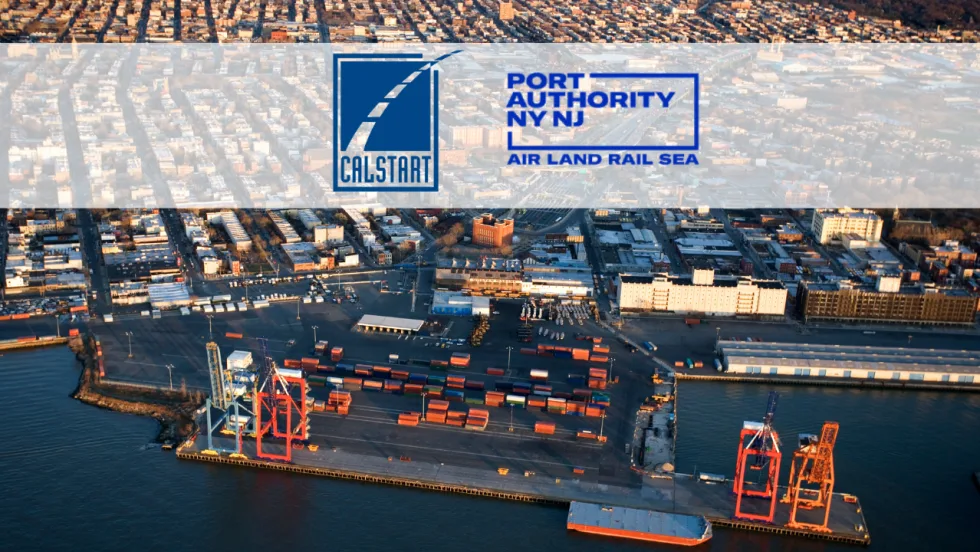
Electric Truck and Charging Programs to Boost Sustainability at NY & NJ Ports
Together, the Port Authority of New York and New Jersey and CALSTART will electrify drayage and terminal operations serving the East Coast’s busiest container port. A pair of incentive programs totaling $45 million has launched to accelerate adoption of zero-emission drayage trucks and terminal tractors.
Read More →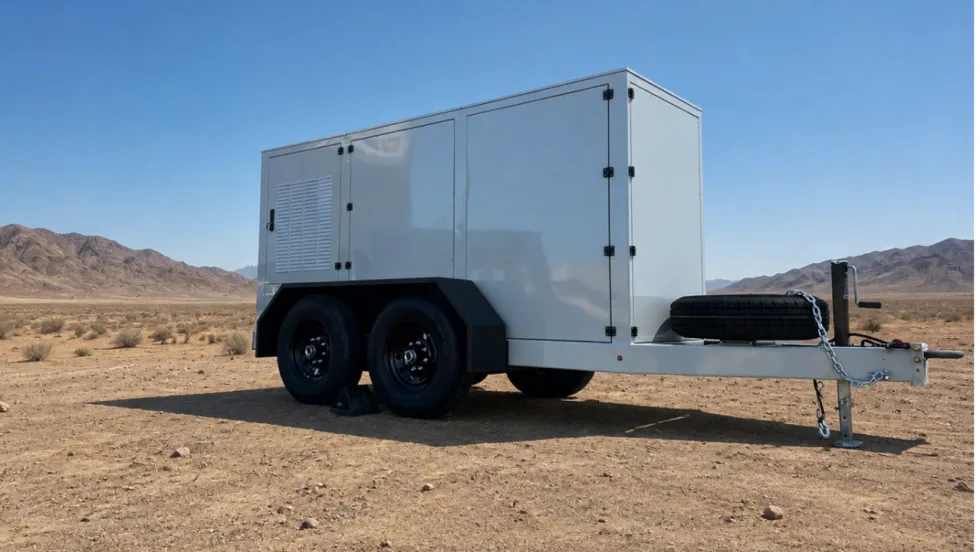
Xos Hub Surpasses One Gigawatt-Hour of Energy Delivered in the Field
A single Xos Hub has surpassed one gigawatt-hour of energy across more than 33,600 charging sessions in the field, demonstrating performance that supports Xos' expansion across new products and markets.
Read More →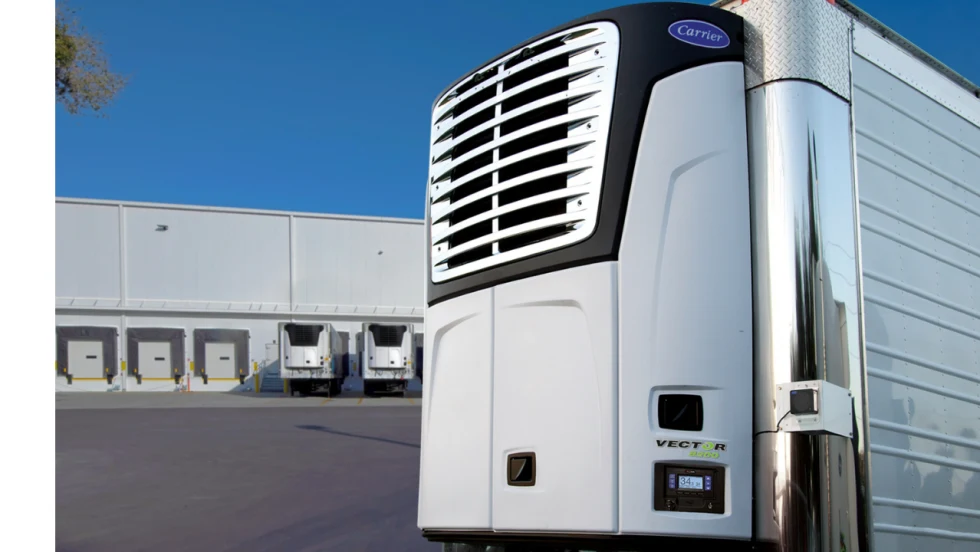
Carrier Transicold Launches All-Electric Vector 8200 TRU for Diesel-Free On-Site Cold Storage
Carrier Transicold’s first engineless multi-temperature TRU helps fresh- and frozen-food fleets add supplemental cold storage capacity during seasonal peaks.
Read More →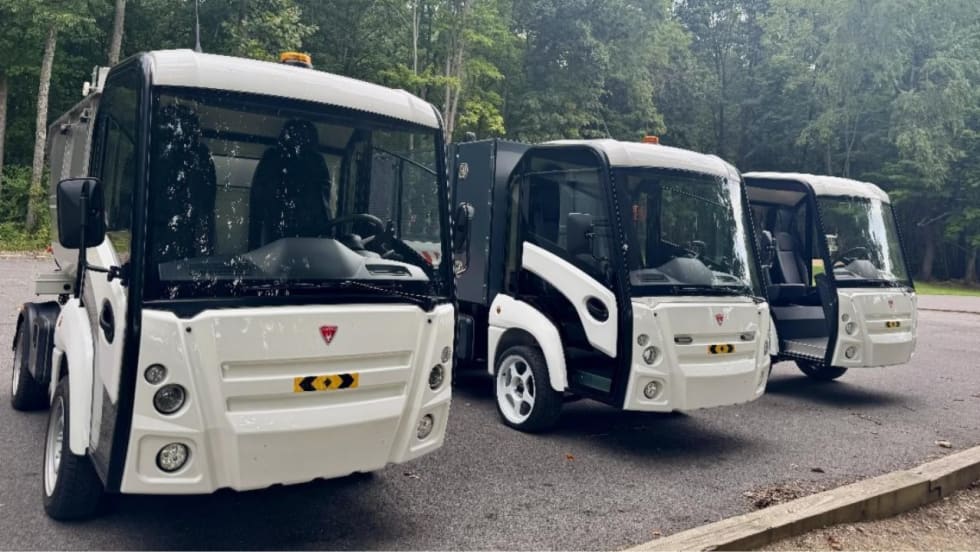
Narro Trucks Introduces Electric Utility Vehicle
Narro Trucks officially launched its operations on Aug. 20 and hosted a ride and drive to showcase its electric truck, which will be produced in Virginia.
Read More →
Samsung SDI Takes Full Control of GM Battery JV as Indiana Plant Pivots to Energy Storage
Samsung SDI is taking full control of its Indiana battery plant with GM, marking a major shift from the EV-focused joint venture Charged Fleet first covered in 2023.
Read More →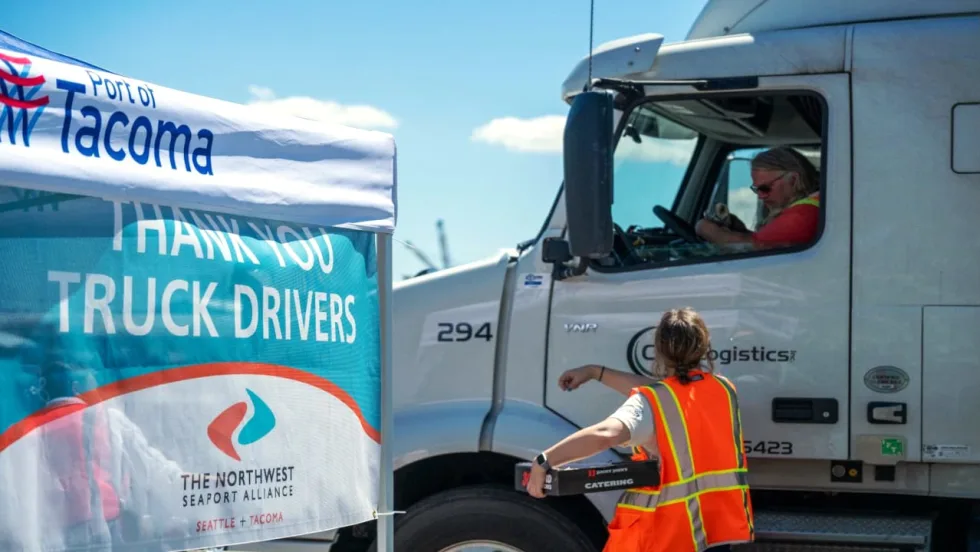
NWSA Taps CALSTART to Administer Zero-Emission Drayage Assistance Program
CALSTART will provide free technical assistance services to drayage fleets serving the Ports of Seattle and Tacoma and looking to transition to cleaner technologies and help decarbonize freight hubs.
Read More →
EV Fleet Reality Check: What Operators Wish They Knew Before Electrifying Their Work Vans
Electric work truck upfits bring new compatibility questions. Learn how parts availability, OEM guidance, power demands, and route planning can affect fleet performance.
Read More →
Peterbilt Expands Sourcewell Partnership with Electric Vehicle Lineup
Peterbilt Motors Company’s cooperative purchasing agreement with Sourcewell and its Canadian partner, Canoe Procurement Group, now includes including Peterbilt's battery-electric vehicle lineup.
Read More →