




Critics Blast Anti-Ethanol Study
A USDA economist and pro-ethanol groups are refuting a recent study that said ethanol takes more energy to produce than it delivers in a gas tank, according to news reports. Scientists Ted Patzek of the University of California and David Pimentel of Cornell University argued that pro-ethanol studies typically do not include in their calculations the energy used to grow corn nor the $3 billion in government subsidies that underwrite ethanol production. In a June 2003 paper in Natural Resources Research, Pimentel suggested: --29 percent more energy is used to produce a gallon of ethanol than the energy in a gallon of ethanol. --total energy expended in raising the corn—labor, machinery, fuel, fertilizers, herbicide, insecticides, electricity and transportation—contribute to downstream costs of pollution. --Corn production causes more total soil erosion, pesticides, herbicides and nitrogen fertilizer than any other crops. --Power for an ethanol plants come from fossil fuels such as coal. An industry group "Ethanol Across America,” found seven studies that came to the opposite conclusions of Pimentel's studies, according to an article in the Voice News in Michigan. It pointed to a U.S. Department of Agriculture study by Hosein Shapouri in 2002 suggesting that ethanol has a positive energy ratio of 1.67 - in other words, it's an energy-efficient product. Hosein Shapouri himself blasted the anti-ethanol study at an ethanol conference last month in Omaha, Neb. The group contended "it is unfair to attribute all the energy used to grow a bushel of corn and process it into its value as an energy product (i.e. ethanol). Ethanol ... is a co-product of corn processing and therefore should only be charged with the energy that was used to turn it into ethanol.” Ethanol reduces greenhouse gases, and reduces the need for imported oil and refined gasoline - and those are two good goals regardless of specific BTUs lost or gained in producing ethanol, the group said. The group criticized Pimentel and other critics of "adding everything they can think of that is even remotely related to the ethanol process.”
More Small Fleet


Developing Budget-Friendly Driver Safety Programs
From driver training and safety meetings to one-on-one coaching and incentive programs, several small fleets share how they have developed a safety culture with their drivers using low- to no-cost resources.
Read More →
Boosting Last-Mile Fleet Uptime, Safety, and Value with AI Vehicle Inspections
AI-powered inspections are transforming last-mile fleets by replacing manual checks with highly accurate automated scans that detect defects in seconds. By giving fleet operations visibility into the daily condition of their vehicles, you can identify trends over the vehicle’s lifecycle that enable improved procurement decisions, route management, driver training and accountability.
Read More →
Five Ways Seat Belts Help Prevent Injuries
There are five ways seat belts protect occupants from injuries, according to the Tennessee Department of Safety and Homeland Security.
Read More →
It’s here: The 2026 Fleet Technology Trends Report
What does AI mean for fleets? Get the answer — and learn other top tech trends.
Read More →
Small Fleets, Big Impact: How Independent Drivers Power Wreaths Across America
Check out how small fleets and independent drivers power Wreaths Across America each December and why their impact matters more than ever.
Read More →
VMS Survey Finds 65% of Small Fleet Managers Run Operations Alone
A new VMS survey shows small fleet managers are stretched thin, with most handling operations solo and eager to adopt digital tools for relief.
Read More →
Tips for Driving Safely on Halloween Night
This video features a reminder from the Connecticut Department of Transportation (DOT) and the Connecticut Police Chiefs Association, urging drivers to prioritize safety this Halloween.
Read More →
AI, Access, and Uptime: VMS’s Next Chapter with David Prusinski
VMS’s new Co-CEO, David Prusinski, shares how an AI-first approach will give small fleets and repair shops the tools to compete like big players.
Read More →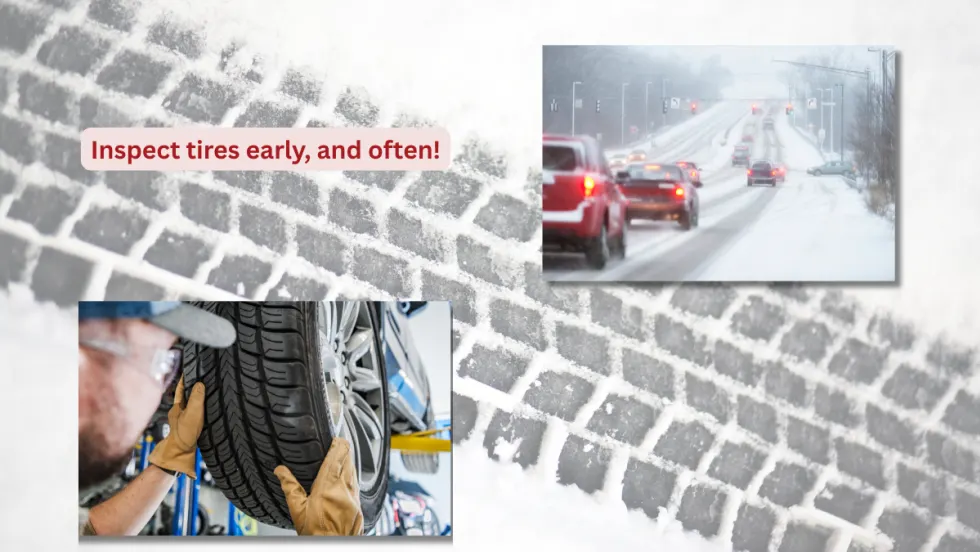
Fleet Managers Share Winter Prep Tips: It's Never Too Early!
Three fleets share best practices to prep vehicles for winter and prevent downtime when the cold sets in.
Read More →