




Congressman Seeks to Raise Fuel Economy Standard to 40 mpg
A House subcommittee on July 12 will consider adding language to an energy efficiency and conservation bill that would significantly boost the fuel mileage requirements for passenger cars, sport utility vehicles and other light trucks. Democratic Rep. Edward Markey of Massachusetts will ask lawmakers on the House energy and air quality subcommittee to adopt an amendment to the pending bill to raise the fuel standard of U.S. vehicles to 40 miles per gallon. If enacted into the law, the stronger standard would save consumers $10 billion in fuel costs a year and shave U.S. petroleum demand by 3 million barrels per day, according to environmental groups who support Markey's amendment. The U.S. market consumes about 20 million barrels of petroleum a day. The current Corporate Average Fuel Economy (CAFE) standards that were approved by Congress in 1975 after the Arab oil embargo require passenger cars to get an average 27.5 miles per gallon and light trucks 20.7 miles. Due to opposition from the auto manufacuturing industry and other factors, the standards have remain unchanged for years. Light trucks were allowed to have lower mileage when the CAFE standards were adopted because at the time they were used primarily by farmers and businesses. But today the category includes SUVs, pickups and minivans that account for about half the vehicles sold in the United States. On July 12, subcommittee members will begin what is expected to be a contentious debate on more than a dozen amendments relating to gasoline mixture specifications and energy conservation issues, which will include Markey's higher fuel standard amendment. The Bush administration says it is waiting for a CAFE study from the National Academy of Sciences to be released at the end of this month before deciding whether to seek a change in the fuel standards.
More Small Fleet


Developing Budget-Friendly Driver Safety Programs
From driver training and safety meetings to one-on-one coaching and incentive programs, several small fleets share how they have developed a safety culture with their drivers using low- to no-cost resources.
Read More →
Boosting Last-Mile Fleet Uptime, Safety, and Value with AI Vehicle Inspections
AI-powered inspections are transforming last-mile fleets by replacing manual checks with highly accurate automated scans that detect defects in seconds. By giving fleet operations visibility into the daily condition of their vehicles, you can identify trends over the vehicle’s lifecycle that enable improved procurement decisions, route management, driver training and accountability.
Read More →
Five Ways Seat Belts Help Prevent Injuries
There are five ways seat belts protect occupants from injuries, according to the Tennessee Department of Safety and Homeland Security.
Read More →
It’s here: The 2026 Fleet Technology Trends Report
What does AI mean for fleets? Get the answer — and learn other top tech trends.
Read More →
Small Fleets, Big Impact: How Independent Drivers Power Wreaths Across America
Check out how small fleets and independent drivers power Wreaths Across America each December and why their impact matters more than ever.
Read More →
VMS Survey Finds 65% of Small Fleet Managers Run Operations Alone
A new VMS survey shows small fleet managers are stretched thin, with most handling operations solo and eager to adopt digital tools for relief.
Read More →
Tips for Driving Safely on Halloween Night
This video features a reminder from the Connecticut Department of Transportation (DOT) and the Connecticut Police Chiefs Association, urging drivers to prioritize safety this Halloween.
Read More →
AI, Access, and Uptime: VMS’s Next Chapter with David Prusinski
VMS’s new Co-CEO, David Prusinski, shares how an AI-first approach will give small fleets and repair shops the tools to compete like big players.
Read More →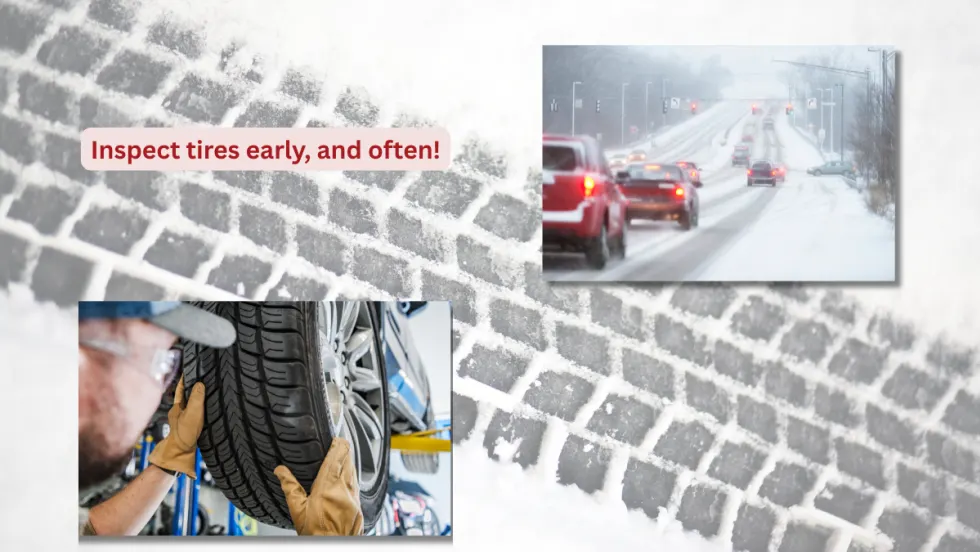
Fleet Managers Share Winter Prep Tips: It's Never Too Early!
Three fleets share best practices to prep vehicles for winter and prevent downtime when the cold sets in.
Read More →