




Colo. State Fleet Officials Respond to Audit Findings
In last week's Driving Force newsletter we published a news story about the findings of a Colorado audit of the state's vehicle fleet, sourced from the Rocky Mountain News. The state agency that oversees the fleet maintenance program has since responded to some of the charges in the Rocky Mountain News story, summarized below.
Officials overseeing maintenance of Colorado's vehicle fleet admit there are problems with tracking costs and improper payments. But on Wednesday they defended some of the stranger findings in a recent critical audit in a Rocky Mountain News story dated February 3. The Department of Personnel and Administration, which oversees maintenance on about 5,500 state-owned vehicles, concurred with a state auditor's report released a day earlier that found some double payments for services. And it agreed that its tracking system doesn't tabulate prices for some individual services when they're bundled under a flat price, resulting in reports of oil changes for as little as 25 cents. But the state's fleet management office said Wednesday that $609 is a standard price for an oil change - when you're dealing with a semi-tractor. In written responses to questions from the Rocky Mountain News, officials with the Department of Personnel and Administration, the agency that oversees the fleet maintenance division, said the auditor's report failed to point out that the highest-cost oil change was for a big-rig truck. Similarly, a reported high price of $521 for a tuneup was for a vehicle with an alternative-fuel engine, not a standard gasoline engine, the officials said in the report. "The $609 oil change was an actual oil change on a semi-tractor and represents a standard cost for this type of vehicle," the department said in its response. "The $521 tuneup was for an alternative-fuel vehicle and represents a standard cost for this type of vehicle. "The audit report failed to differentiate data for standard passenger vehicles from nonstandard or oversized vehicles. Even with these higher-cost vehicles, the fleet average was $27.70 for oil changes and $32 for tuneups." But fleet maintenance officials said it would be difficult to change some current accounting practices without more staffing. The cost of some simple jobs are included in a flat rate as part of a larger package of combined services, and to break the costs out individually would take too much time. But the agency's software requires that a price be entered for each service, so 1 cent or another nominal amount is used as a place holder. "The level of detailed analysis of specific maintenance work suggested by the Office of the State Auditor is not practical with our current staff when managing approximately 5,500 vehicles," the department said in its response to the audit. State vehicles sometimes are serviced in-house by the various agencies that use them, but sometimes private garages do the work. In such cases, including those where prices are agreed upon in advance, mechanic shops are supposed to contact state fleet maintenance to get approval first. Tony DeVito, a resident engineer at the Colorado Department of Transportation who drives a state Jeep Cherokee assigned to him, said the rules are strict enough that when his vehicle needs tires or a windshield replacement, the private repair shop has to adhere to a state-approved range of items and prices. "It's not like I can go get Pirelli tires," he said. "They call state fleet maintenance and verify things to get approval first before anything goes on the vehicle." The legislative audit committee asked the department to report back in six months with changes it has made.
More Small Fleet


Developing Budget-Friendly Driver Safety Programs
From driver training and safety meetings to one-on-one coaching and incentive programs, several small fleets share how they have developed a safety culture with their drivers using low- to no-cost resources.
Read More →
Boosting Last-Mile Fleet Uptime, Safety, and Value with AI Vehicle Inspections
AI-powered inspections are transforming last-mile fleets by replacing manual checks with highly accurate automated scans that detect defects in seconds. By giving fleet operations visibility into the daily condition of their vehicles, you can identify trends over the vehicle’s lifecycle that enable improved procurement decisions, route management, driver training and accountability.
Read More →
Five Ways Seat Belts Help Prevent Injuries
There are five ways seat belts protect occupants from injuries, according to the Tennessee Department of Safety and Homeland Security.
Read More →
It’s here: The 2026 Fleet Technology Trends Report
What does AI mean for fleets? Get the answer — and learn other top tech trends.
Read More →
Small Fleets, Big Impact: How Independent Drivers Power Wreaths Across America
Check out how small fleets and independent drivers power Wreaths Across America each December and why their impact matters more than ever.
Read More →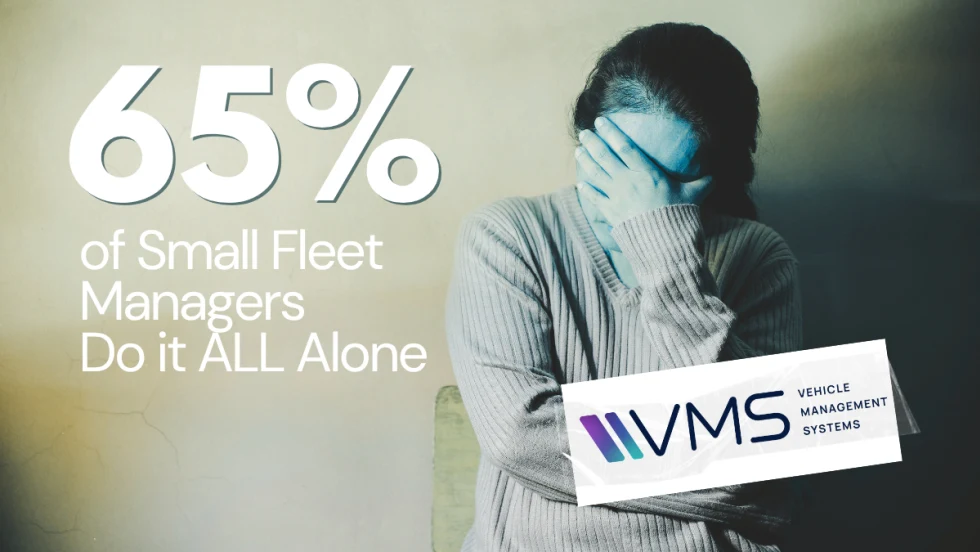
VMS Survey Finds 65% of Small Fleet Managers Run Operations Alone
A new VMS survey shows small fleet managers are stretched thin, with most handling operations solo and eager to adopt digital tools for relief.
Read More →
Tips for Driving Safely on Halloween Night
This video features a reminder from the Connecticut Department of Transportation (DOT) and the Connecticut Police Chiefs Association, urging drivers to prioritize safety this Halloween.
Read More →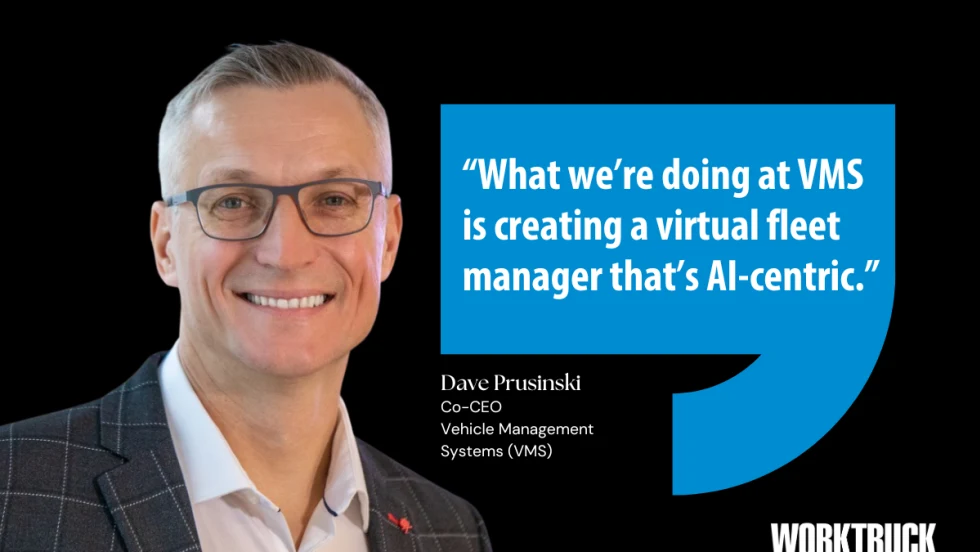
AI, Access, and Uptime: VMS’s Next Chapter with David Prusinski
VMS’s new Co-CEO, David Prusinski, shares how an AI-first approach will give small fleets and repair shops the tools to compete like big players.
Read More →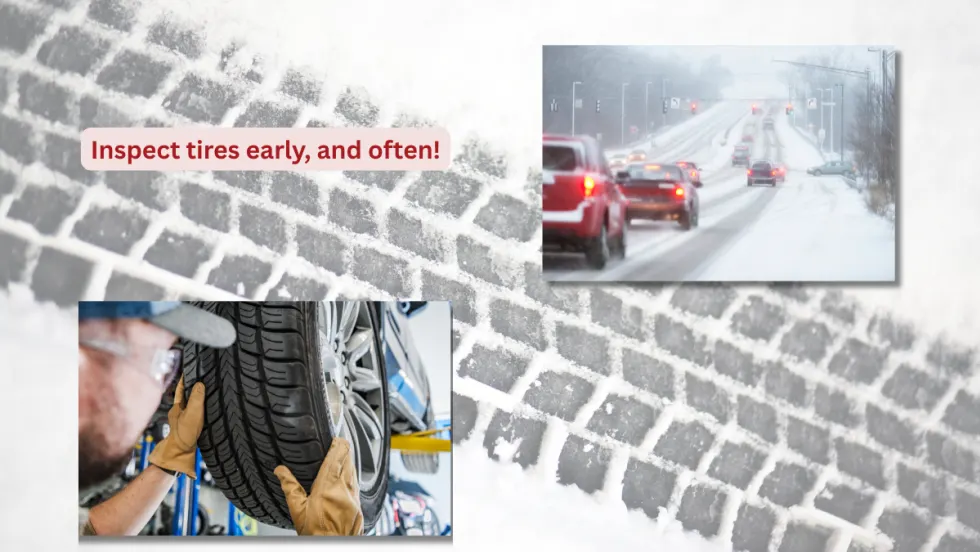
Fleet Managers Share Winter Prep Tips: It's Never Too Early!
Three fleets share best practices to prep vehicles for winter and prevent downtime when the cold sets in.
Read More →