




Coca-Cola Charges Toward a Greener Fleet
ATLANTA - As part of Coca-Cola's ongoing efforts to innovate through its fleet of distribution vehicles, the Company will soon deliver select products in five U.S. cities with all of their normal fizz, but less of the gas. Beginning in September, six eStar all-electric, zero-emission trucks will be part of Coca-Cola's growing fleet of alternative-fuel vehicles
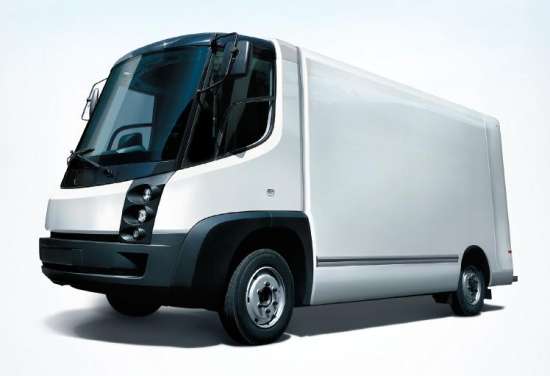
The eStar features a windshield design with nearly 180-degree visibility, improving safety, and a low-floor design allowing easy loading and unloading.
ATLANTA - As part of Coca-Cola's ongoing efforts to innovate through its fleet of distribution vehicles, the Company will soon deliver select products in five U.S. cities with all of their normal fizz, but less of the gas. Beginning in September, six eStar all-electric, zero-emission trucks will be part of Coca-Cola's growing fleet of alternative-fuel vehicles (AFV) in North America - an AFV fleet that will surpass 750 by the end of this year.
Currently, Coca-Cola has the largest heavy-duty hybrid electric fleet in North America with more than 650 hybrid delivery trucks deployed in major U.S. cities, including New York, Los Angeles, Washington, D.C., Atlanta and Miami. Coca-Cola is also charging ahead with the deployment of its six all-electric trucks. The new eStar trucks will be deployed in San Francisco, New York City, Washington, D.C. and Hartford, Conn., with two trucks in Los Angeles. The eStar vehicles have zero tailpipe emissions, and can reduce greenhouse gas emissions by as much as 10 tons annually.
The introduction of the eStar vehicles into the Coca-Cola fleet is the latest step in the Company's commitment to energy efficiency and the use of alternative fuel vehicles. Their launch also coincides with a promising new partnership with the Department of Energy (DOE). The DOE recently recognized Coca-Cola as a partner of the National Clean Fleets Partnership Program. Announced by President Barack Obama, the unique public-private partnership helps companies reduce diesel and gasoline use in their fleets by incorporating electric vehicles, alternative fuels and fuel-saving measures into their daily operations. The partnership aims to accelerate the adoption of energy-efficient vehicles nationwide.
"We are honored to join the Department of Energy and the Clean Fleets members to strengthen our sustainability efforts and make more of an impact in the energy efficiency space," said Steven Saltzgiver, Director of Fleet Operations, Coca-Cola Refreshments. "Coca-Cola is committed to investing in alternative fuel vehicles and innovative fleet technologies. This recognition is validation of our efforts to date and motivation to do even more in the future."
The eStar vehicles are built by Navistar, Inc., an American manufacturer of medium- and heavy-duty trucks. The trucks run up to 100 miles per charge and can be fully recharged in six to eight hours. A quick-change cassette-type battery can be swapped out in 20 minutes, enabling around-the-clock operations and aligning the vehicles as an absolute alternative to fossil-fuel urban delivery trucks. Unlike other electric trucks, which are reconfigured models of fossil-fuel trucks, the eStar vehicles have been purpose-built for electric power with a low center of gravity and strategic battery placement.
"The eStar is a smart option for businesses that are looking to positively impact the environment through energy efficiency and sustainability," said Mark Aubry, Vice President of Sales and Marketing, Electric Vehicles, Navistar. "Each eStar can save a company up to 60 percent in fuel costs, and at the end of its lifecycle, more than 50 percent of the vehicle is recyclable."
The eStar also features a windshield design with nearly 180-degree visibility, improving safety, and a low-floor design allowing easy loading and unloading. The vehicle's noise level is almost non-existent.
In North America, Coca-Cola is also evaluating light-duty propane and natural gas options and is training its drivers in eco-driving techniques, such as minimal braking and early gear changes, through the Company's proprietary Smartdriver program.
"Our energy efficiency work is focused on meaningfully reducing the overall carbon footprint of our operations. We do this through a variety of technologies that produce energy efficiencies across all areas of our business, including fleet, manufacturing and sales and marketing equipment," said Brian Kelley, Chief Product Supply Officer at Coca-Cola Refreshments. "The new eStar vehicles are not only an example of our investment in innovation, but also an example of how we are delivering on our promise to grow the business without growing carbon emissions by consistently improving our energy efficiency practices."
Alternative fuel vehicles are a key component of The Coca-Cola Company's Energy Efficiency and Climate Protection strategy in North America. Other initiatives include the Company's goal of phasing out the use of hydrofluorocarbons (HFCs) in all its new vendors and cooling equipment by 2015 and testing fuel cell technology in production facilities to provide electricity while reducing the facility's carbon footprint. Energy Efficiency and Climate Protection is one of seven focus areas that make up Coca-Cola's Live PositivelyTM platform, the Company's commitment to making a positive difference in the world by growing business in economically, environmentally and socially sustainable ways. For more information on Live Positively, visit
www.thecoca-colacompany.com/citizenship/index.html.
More Green Fleet

Fleet Forward Conference Introduces One-Day Passes for 2026
New one-day registration gives fleet professionals the flexibility to attend Tuesday, Wednesday, or Thursday, with passes available for $199 through Sept. 18.
Read More →
CALSTART Rebrands as Catalyst Mobility, Will Combine with Forth in 2027
CALSTART has rebranded as Catalyst Mobility and will combine with Forth at the start of 2027. The new organization said it is poised to become one of the world's largest, strongest, and most impactful clean transportation nonprofits.
Read More →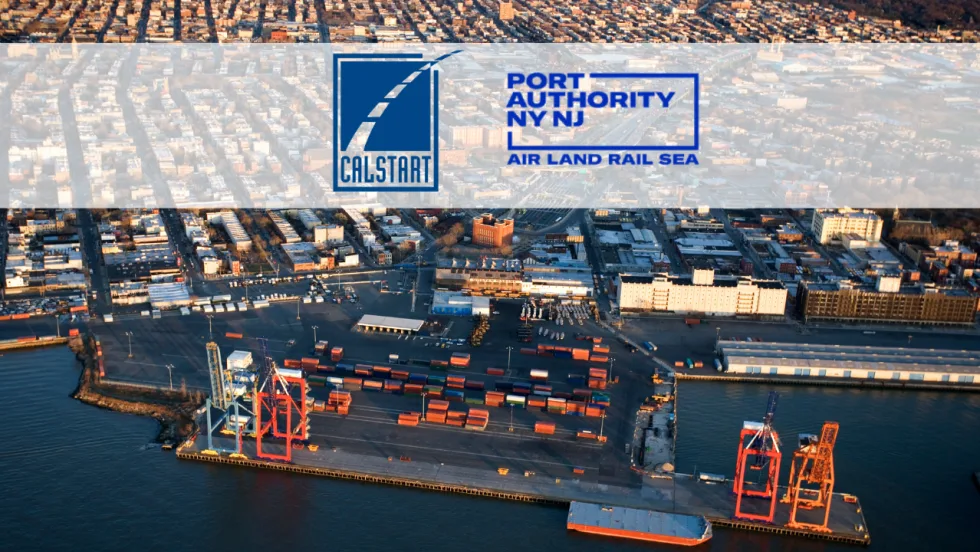
Electric Truck and Charging Programs to Boost Sustainability at NY & NJ Ports
Together, the Port Authority of New York and New Jersey and CALSTART will electrify drayage and terminal operations serving the East Coast’s busiest container port. A pair of incentive programs totaling $45 million has launched to accelerate adoption of zero-emission drayage trucks and terminal tractors.
Read More →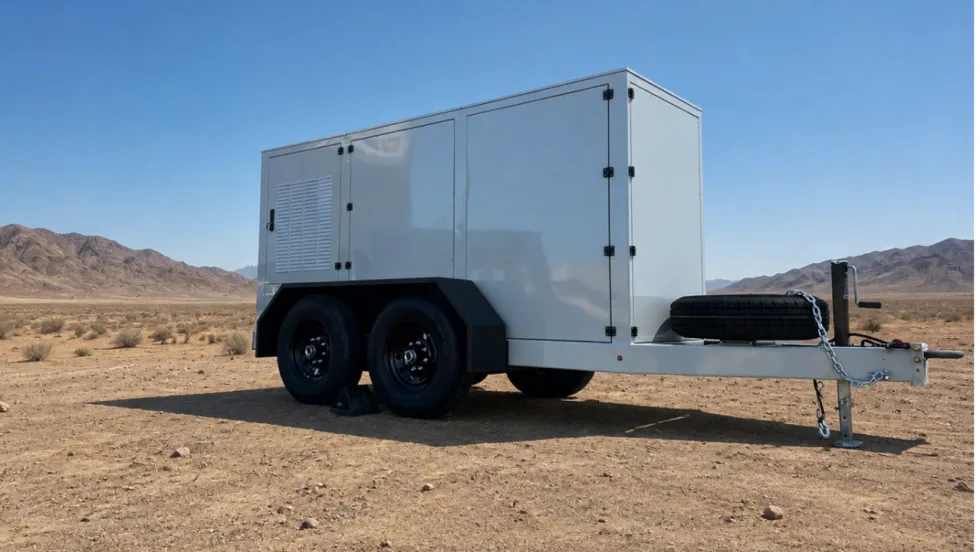
Xos Hub Surpasses One Gigawatt-Hour of Energy Delivered in the Field
A single Xos Hub has surpassed one gigawatt-hour of energy across more than 33,600 charging sessions in the field, demonstrating performance that supports Xos' expansion across new products and markets.
Read More →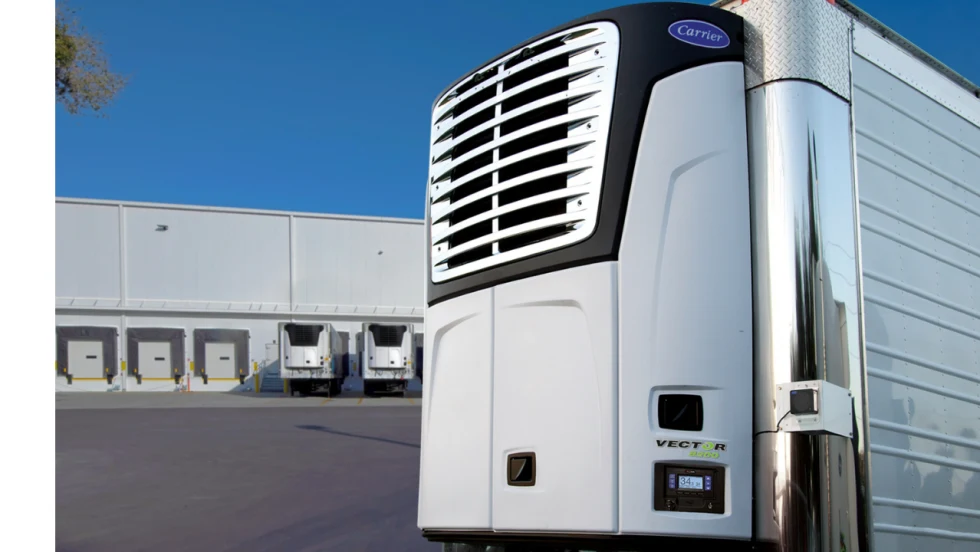
Carrier Transicold Launches All-Electric Vector 8200 TRU for Diesel-Free On-Site Cold Storage
Carrier Transicold’s first engineless multi-temperature TRU helps fresh- and frozen-food fleets add supplemental cold storage capacity during seasonal peaks.
Read More →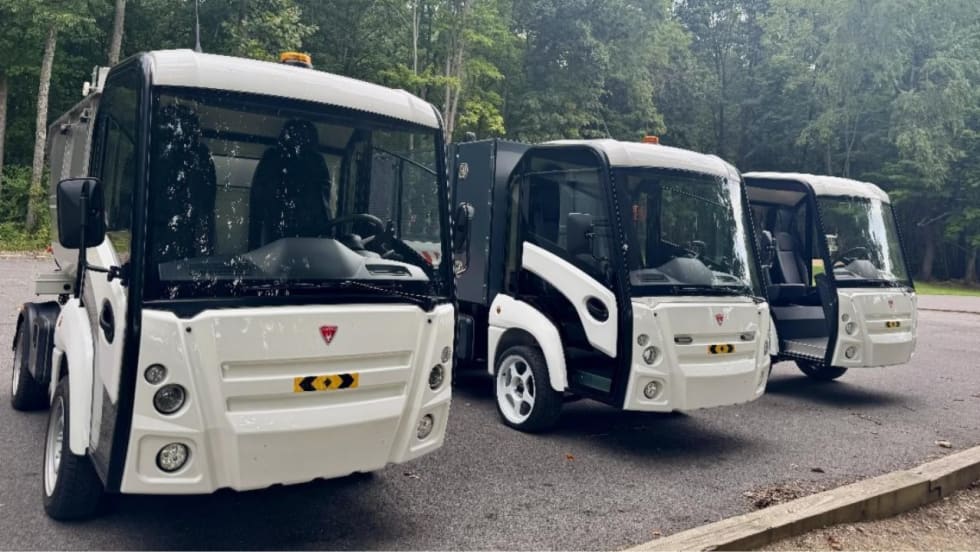
Narro Trucks Introduces Electric Utility Vehicle
Narro Trucks officially launched its operations on Aug. 20 and hosted a ride and drive to showcase its electric truck, which will be produced in Virginia.
Read More →
Samsung SDI Takes Full Control of GM Battery JV as Indiana Plant Pivots to Energy Storage
Samsung SDI is taking full control of its Indiana battery plant with GM, marking a major shift from the EV-focused joint venture Charged Fleet first covered in 2023.
Read More →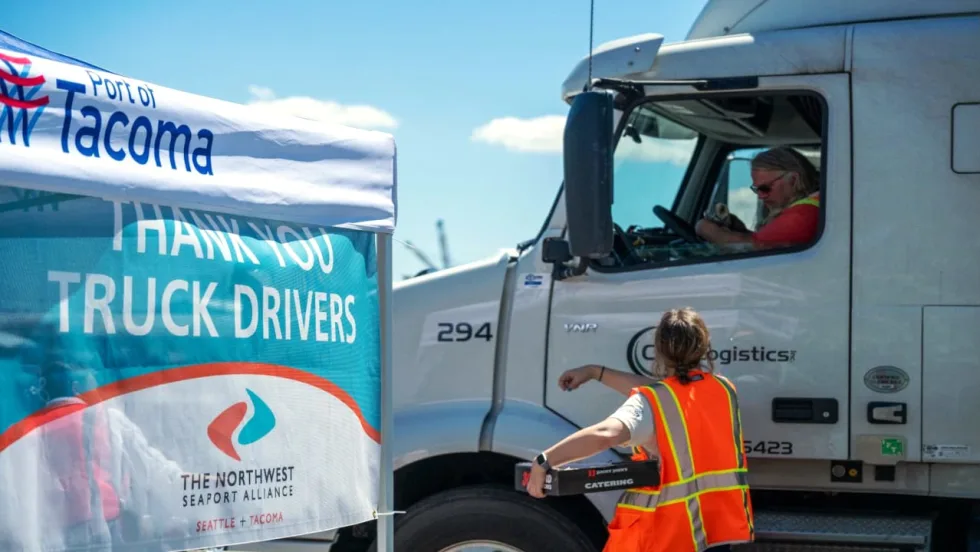
NWSA Taps CALSTART to Administer Zero-Emission Drayage Assistance Program
CALSTART will provide free technical assistance services to drayage fleets serving the Ports of Seattle and Tacoma and looking to transition to cleaner technologies and help decarbonize freight hubs.
Read More →
EV Fleet Reality Check: What Operators Wish They Knew Before Electrifying Their Work Vans
Electric work truck upfits bring new compatibility questions. Learn how parts availability, OEM guidance, power demands, and route planning can affect fleet performance.
Read More →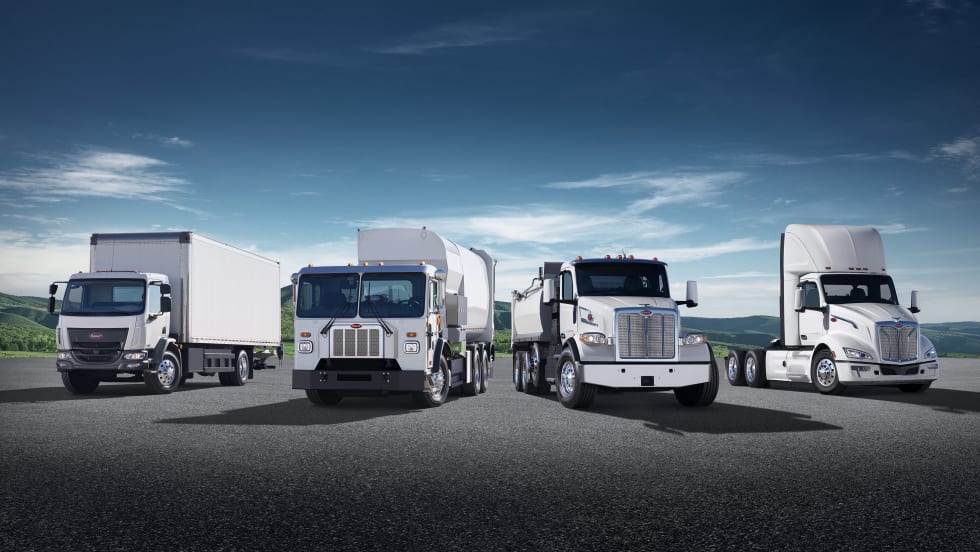
Peterbilt Expands Sourcewell Partnership with Electric Vehicle Lineup
Peterbilt Motors Company’s cooperative purchasing agreement with Sourcewell and its Canadian partner, Canoe Procurement Group, now includes including Peterbilt's battery-electric vehicle lineup.
Read More →