




Chrysler Group Begins Production of 2005 Chrysler 300 and Dodge Magnum
The Chrysler Group launched a new phase of manufacturing on February 11 at its Brampton (Ontario) Assembly Plant to produce the all-new 2005 Chrysler 300 and Dodge Magnum, the company’s family of rear-wheel drive sedans. Brampton’s shift from front-wheel drive to rear-wheel drive vehicle production required a major transformation. Various initiatives were implemented to enhance production quality, increase manufacturing flexibility and improve productivity at the plant. “The Brampton Assembly Plant takes on flexible characteristics generally seen in newer automotive operations,” said Tom LaSorda, Chrysler Group Executive Vice President of Manufacturing. “The flexibility of the revamped plant provides the capability needed to build and pilot multiple products simultaneously.” According to LaSorda, approximately 80 percent of the Brampton facility was overhauled, “We viewed it as a complete makeover — building a new plant environment within existing walls — rather than a facelift or typical model changeover.” The physical transformation took approximately six weeks to complete. During that period, construction crews expanded the trim, chassis and final assembly areas (TCF) by approximately twenty-five thousand square feet. They also reconfigured over 27 kilometers or 17 miles of conveyor lines and rebuilt the majority of the body shop. Ninety percent of the plant’s tooling and equipment changes occurred in the body shop, which uses approximately 300,000 square feet of the plant’s total footprint. One major addition in the body shop was the robotic framing cell, which is used to load the body side inner panel to the vehicle’s underbody, and geometrically set and weld the panels together. This framing process provides new levels of installation speed, precision and efficiency, and is the first to be employed at any Chrysler Group assembly plant. Also, a new technology called Flexible Measurement System (FMS) is being implemented in the body shop. FMS uses four robots equipped with laser vision sensors to check for precision and quality. The entire measurement cycle checks approximately 225 features on the car body in less than three minutes. During the pre-launch period, pilot vehicles were built to verify processes and to provide hands-on training opportunities. Also, the employees used a new system of rapid detection and problem resolution to optimize efficiency and quality throughout the assembly process. During the vehicle development process, simulation software tools were used to create a seamless union between product development and manufacturing. Digital analysis also replicated various driving conditions and wind tunnel evaluation helped fine-tune the vehicle’s aerodynamics and interior quietness. The all-new 2005 Chrysler 300 and Dodge Magnum arrive in dealerships this spring.
More Small Fleet

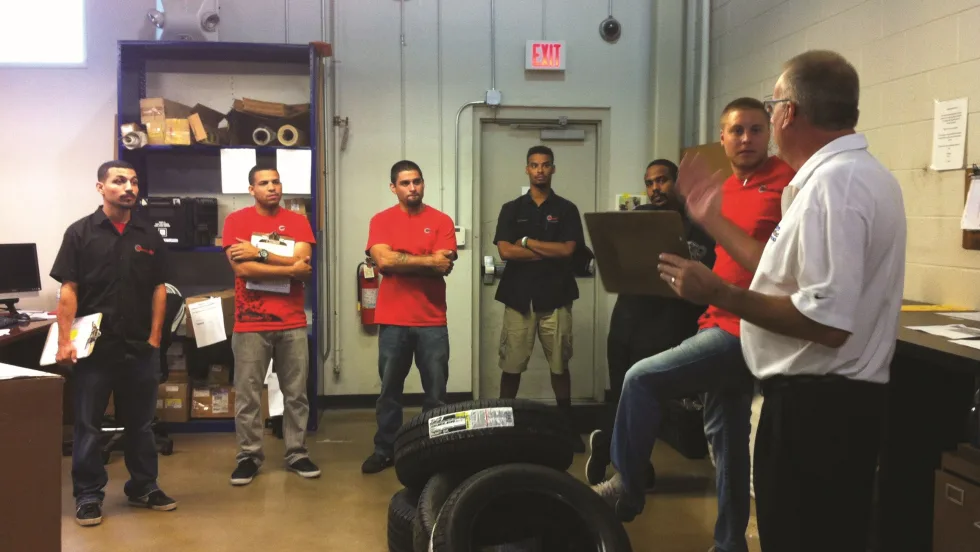
Developing Budget-Friendly Driver Safety Programs
From driver training and safety meetings to one-on-one coaching and incentive programs, several small fleets share how they have developed a safety culture with their drivers using low- to no-cost resources.
Read More →
Boosting Last-Mile Fleet Uptime, Safety, and Value with AI Vehicle Inspections
AI-powered inspections are transforming last-mile fleets by replacing manual checks with highly accurate automated scans that detect defects in seconds. By giving fleet operations visibility into the daily condition of their vehicles, you can identify trends over the vehicle’s lifecycle that enable improved procurement decisions, route management, driver training and accountability.
Read More →

Five Ways Seat Belts Help Prevent Injuries
There are five ways seat belts protect occupants from injuries, according to the Tennessee Department of Safety and Homeland Security.
Read More →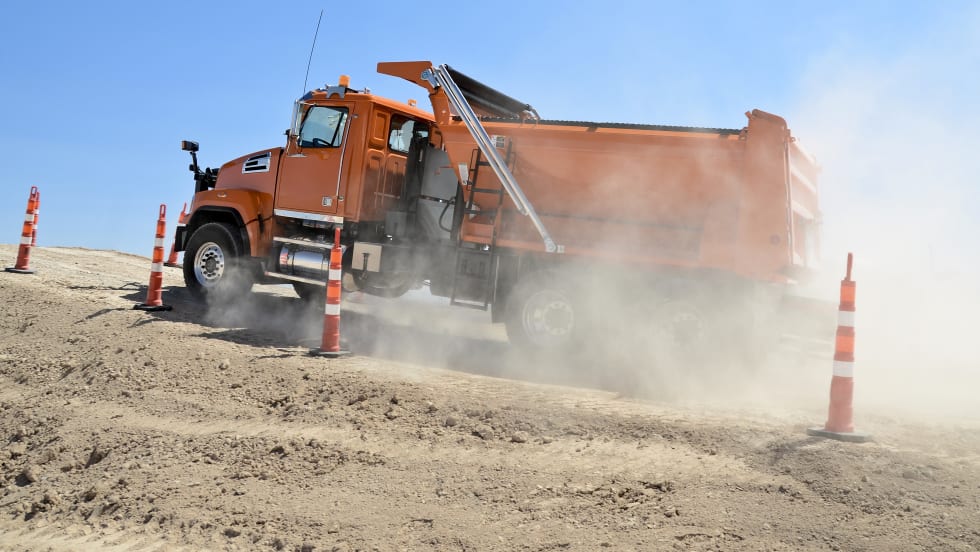
Basic Tracking vs Next Generation Fleet Technology
Fleet software is getting more sophisticated and effective than ever, tying big data models together to transform maintenance, safety, and the value of your existing tech stack. Fleet technology upgrades are undoubtedly an investment, but updated technology can offer a much higher return. Read how upgrading your fleet technology can increase the return on your investment.
Read More →
It’s here: The 2026 Fleet Technology Trends Report
What does AI mean for fleets? Get the answer — and learn other top tech trends.
Read More →
Small Fleets, Big Impact: How Independent Drivers Power Wreaths Across America
Check out how small fleets and independent drivers power Wreaths Across America each December and why their impact matters more than ever.
Read More →
VMS Survey Finds 65% of Small Fleet Managers Run Operations Alone
A new VMS survey shows small fleet managers are stretched thin, with most handling operations solo and eager to adopt digital tools for relief.
Read More →
Tips for Driving Safely on Halloween Night
This video features a reminder from the Connecticut Department of Transportation (DOT) and the Connecticut Police Chiefs Association, urging drivers to prioritize safety this Halloween.
Read More →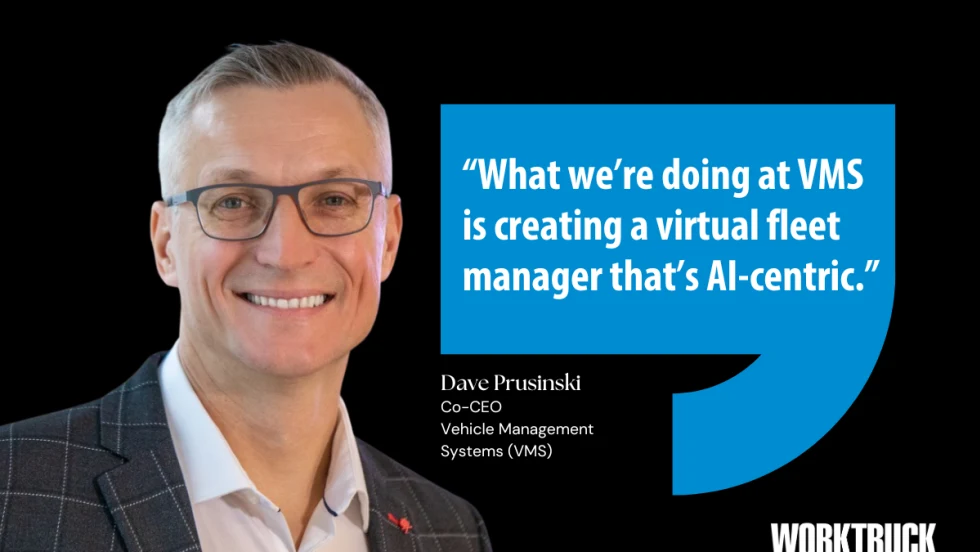
AI, Access, and Uptime: VMS’s Next Chapter with David Prusinski
VMS’s new Co-CEO, David Prusinski, shares how an AI-first approach will give small fleets and repair shops the tools to compete like big players.
Read More →