




Car Sharing Is New Fleet Option
Businesses in major metropolitan areas now have an option to the hassles of parking and maintaining little-used fleet vehicles. The concept is called car sharing. Companies have use of a vehicle available at a set location, and pay only for the hours and miles they drive. Parking fees, insurance, maintenance and vehicle depreciation are worries left up to the car-sharing provider. The idea began in Europe and has only recently made its mark in America, primarily in more populated cities where parking is a major hassle. “I don’t know what the average statistics are, but fleet cars on average are used less than two hours a day – most less than an hour a day,” said Lance Ayrault, CEO and President of Seattle-based Flexcar. Most car-sharing systems start by members choosing a usage-level plan. Members either reserve a vehicle online or by calling the company. They then choose from any number of vehicles parked in specific areas. Some providers have a wide-selection of vehicles, including gas-electric hybrids, sedans, pickups, minivans, convertibles and specialty vehicles. Cars are unlocked via a company card. A special code is inputted on the glovebox to access the ignition key. Members are billed afterward, and are generally required to return the vehicle to the same location. Most car-sharing providers have different levels of service depending on need. In Flexcar’s case, individual members can pay from a little over $100 a month, or about $9 an hour. For business members, Flexcar offers an exclusive plan for $1600 a month per vehicle, which provides a dedicated company car that can even be used after-hours. Semi-exclusive members have vehicle access during normal business hours for $1,400 a month per vehicle. General users can pay $175 or more depending on the hours and drivers expected per month. The process is like paying for a cell phone, Ayrault said. Additionally, the burden of mobility management from the business is removed since car share providers do all the work from managing the availability of the vehicles to tracking overall use, including employee and department use and hours and miles driven. “We fully believe that to provide transportation, people should feel good about the fact that the vehicle being used is very efficient,” Ayrault said. “Our growth is a direct result of the success we’re having in convincing businesses that ours is a very viable and competitive alternative to owning your own fleet.” Steve Kluskens, office manager for Flansburgh Associates Inc. in Boston, is a member of Zipcar, a Boston-based provider. Klusken was very impressed with the organization because they had the right idea at the right time. Using Zipcar not only opened up parking spaces in Boston, but it also gave a sense of accomplishment, he said. “The icing on the cake, of course, is that Zipcar is also greener. We're using cars now that other people are using, instead of holding two just for our use,” Kluskens said. “There's a sense you get when you step out of the car, leaving it for the next guy, knowing that your expense and responsibility to the vehicle is done right there, that this is smart.”
More Small Fleet

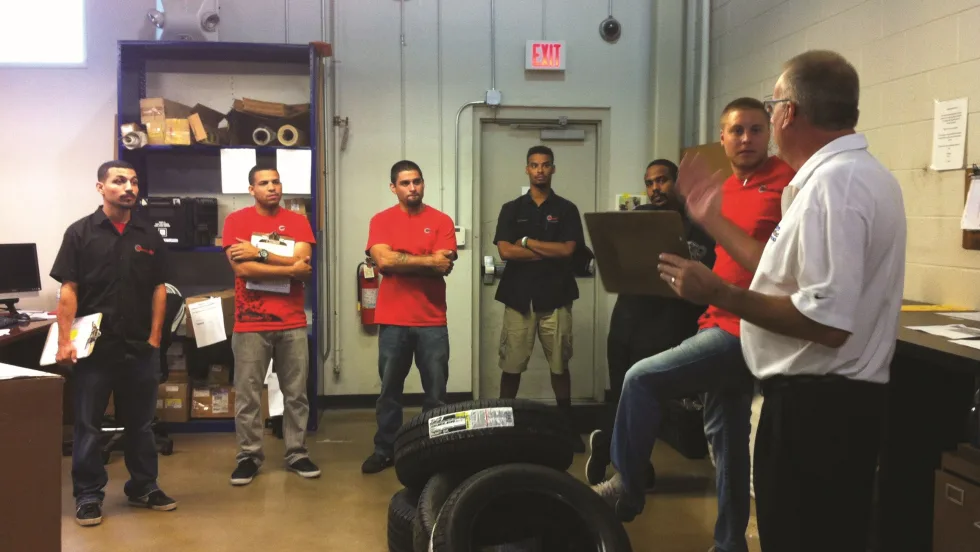
Developing Budget-Friendly Driver Safety Programs
From driver training and safety meetings to one-on-one coaching and incentive programs, several small fleets share how they have developed a safety culture with their drivers using low- to no-cost resources.
Read More →
Boosting Last-Mile Fleet Uptime, Safety, and Value with AI Vehicle Inspections
AI-powered inspections are transforming last-mile fleets by replacing manual checks with highly accurate automated scans that detect defects in seconds. By giving fleet operations visibility into the daily condition of their vehicles, you can identify trends over the vehicle’s lifecycle that enable improved procurement decisions, route management, driver training and accountability.
Read More →

Five Ways Seat Belts Help Prevent Injuries
There are five ways seat belts protect occupants from injuries, according to the Tennessee Department of Safety and Homeland Security.
Read More →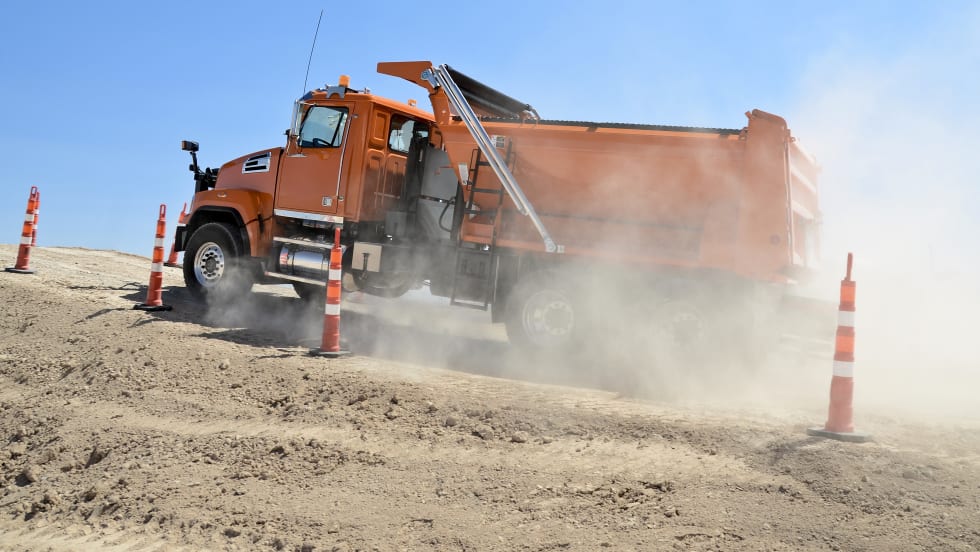
Basic Tracking vs Next Generation Fleet Technology
Fleet software is getting more sophisticated and effective than ever, tying big data models together to transform maintenance, safety, and the value of your existing tech stack. Fleet technology upgrades are undoubtedly an investment, but updated technology can offer a much higher return. Read how upgrading your fleet technology can increase the return on your investment.
Read More →
It’s here: The 2026 Fleet Technology Trends Report
What does AI mean for fleets? Get the answer — and learn other top tech trends.
Read More →
Small Fleets, Big Impact: How Independent Drivers Power Wreaths Across America
Check out how small fleets and independent drivers power Wreaths Across America each December and why their impact matters more than ever.
Read More →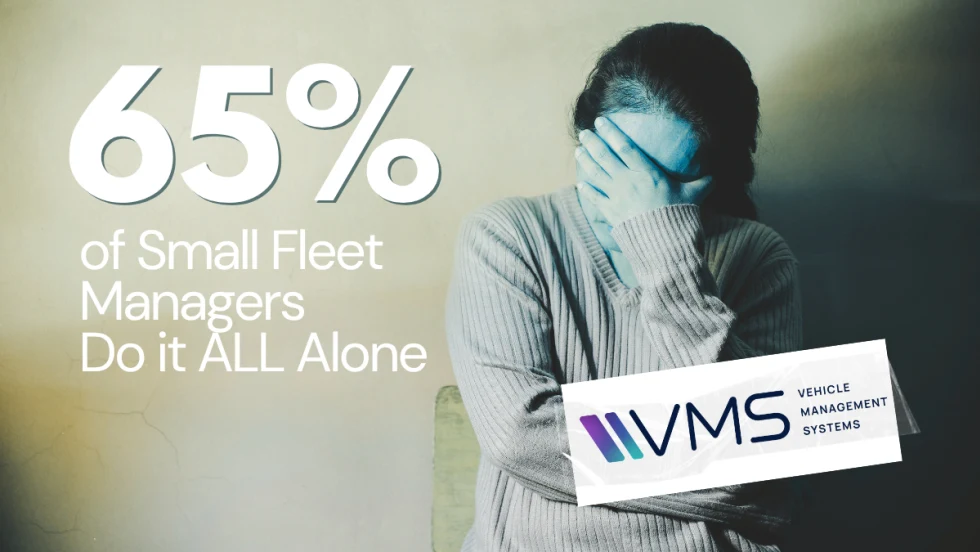
VMS Survey Finds 65% of Small Fleet Managers Run Operations Alone
A new VMS survey shows small fleet managers are stretched thin, with most handling operations solo and eager to adopt digital tools for relief.
Read More →
Tips for Driving Safely on Halloween Night
This video features a reminder from the Connecticut Department of Transportation (DOT) and the Connecticut Police Chiefs Association, urging drivers to prioritize safety this Halloween.
Read More →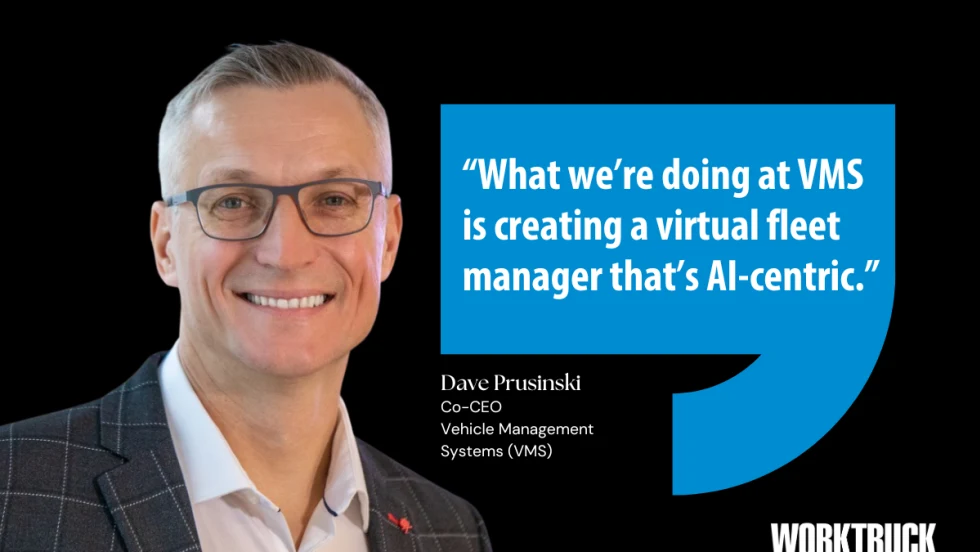
AI, Access, and Uptime: VMS’s Next Chapter with David Prusinski
VMS’s new Co-CEO, David Prusinski, shares how an AI-first approach will give small fleets and repair shops the tools to compete like big players.
Read More →