




Canada Tells U.S. to Ditch Fees On Trucks
Canadian officials say the inspections and fee requirements could seriously disrupt the flow of traffic at busy border crossings.
USDA's controversial rule to impose new border inspection charges on all Canadian trucks should be scrapped, say Canadian officials, who also question whether the interim rule is a violation of NAFTA trade obligations, according to Today’s Trucking. USDA's Animal and Plant Health Inspection Service's interim rule removes any prior exemptions from inspection for imported fruits and vegetables grown in Canada. The U.S. says it needs to step-up inspections to guard against pests and bio-terror risk in food and agriculture products, especially those from abroad that are illegally being labeled as Canadian products. To pay for the additional screening, USDA is requiring truckers to fork over $5.25 US per crossing, no matter what their cargo is, or $105 for an annual decal starting Nov. 24 of this year. Carriers with transponders used to pay for U.S. Customs and Border Protection's $100 border crossing fee will be able to simply pay for both administrative processes through CBP's single system, Today’s Trucking reports. But thousands of truckers who don't cross the border as frequently don't have transponders, and many others may not be aware of the additional $105 charge to USDA. Those truckers will be asked to pay $5.25 US to cross, creating the potential for massive disruptions at busy land ports. The Canadian Trucking Alliance and Canadian Embassy told U.S. officials that the inspections and fee requirements could seriously disrupt the flow of traffic through busy land-border crossings and points out how thousands of drivers have already made investments in pre-clearance security and advance cargo notification programs. Rather than going forward with the extra inspections at the border, Canadian officials recommend the two countries work together to mitigate the risk at origin.
More Small Fleet


Developing Budget-Friendly Driver Safety Programs
From driver training and safety meetings to one-on-one coaching and incentive programs, several small fleets share how they have developed a safety culture with their drivers using low- to no-cost resources.
Read More →
Boosting Last-Mile Fleet Uptime, Safety, and Value with AI Vehicle Inspections
AI-powered inspections are transforming last-mile fleets by replacing manual checks with highly accurate automated scans that detect defects in seconds. By giving fleet operations visibility into the daily condition of their vehicles, you can identify trends over the vehicle’s lifecycle that enable improved procurement decisions, route management, driver training and accountability.
Read More →
Five Ways Seat Belts Help Prevent Injuries
There are five ways seat belts protect occupants from injuries, according to the Tennessee Department of Safety and Homeland Security.
Read More →
It’s here: The 2026 Fleet Technology Trends Report
What does AI mean for fleets? Get the answer — and learn other top tech trends.
Read More →
Small Fleets, Big Impact: How Independent Drivers Power Wreaths Across America
Check out how small fleets and independent drivers power Wreaths Across America each December and why their impact matters more than ever.
Read More →
VMS Survey Finds 65% of Small Fleet Managers Run Operations Alone
A new VMS survey shows small fleet managers are stretched thin, with most handling operations solo and eager to adopt digital tools for relief.
Read More →
Tips for Driving Safely on Halloween Night
This video features a reminder from the Connecticut Department of Transportation (DOT) and the Connecticut Police Chiefs Association, urging drivers to prioritize safety this Halloween.
Read More →
AI, Access, and Uptime: VMS’s Next Chapter with David Prusinski
VMS’s new Co-CEO, David Prusinski, shares how an AI-first approach will give small fleets and repair shops the tools to compete like big players.
Read More →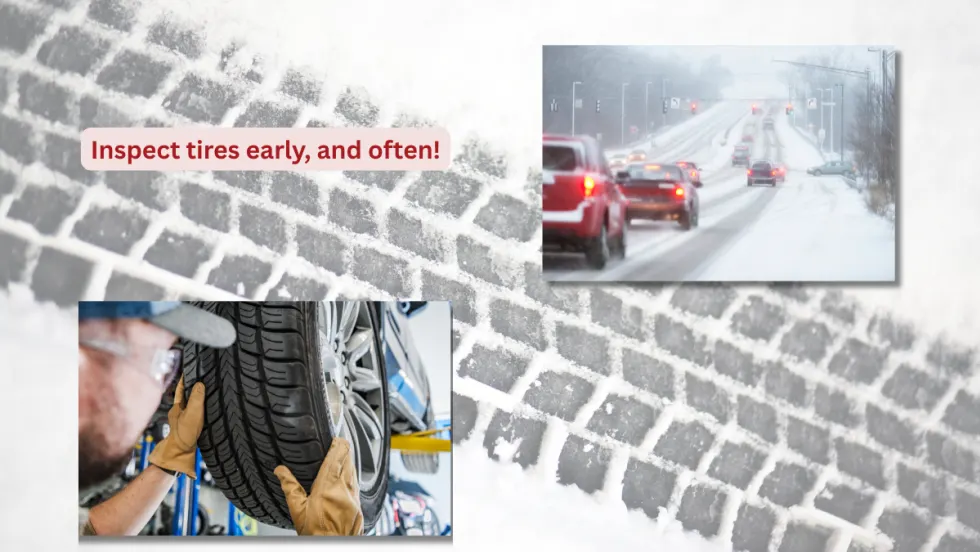
Fleet Managers Share Winter Prep Tips: It's Never Too Early!
Three fleets share best practices to prep vehicles for winter and prevent downtime when the cold sets in.
Read More →