




Calif. Rolling Out $200M for Hydrogen Vehicle Infrastructure
The California Energy Commission is seeking proposals to spend $200 million starting in 2015 to build out fueling stations and other infrastructure to support hydrogen fuel-cell vehicles.

Photo by Thi Dao.

Photo by Thi Dao.
The California Energy Commission is seeking proposals to spend $200 million starting in 2015 to build out fueling stations and other infrastructure to support hydrogen fuel-cell vehicles.
The commission released a Program Opportunity Notice on Nov. 22 authorizing spending of up to $20 million annually to implement requirements signed into law in 2007.
Assembly Bill 118 created the Alternative and Renewable Fuel and Vehicle Technology Program that was renewed earlier this year. Assembly Bill 8 allocated funding.
The program provides funding for projects that expand hydrogen fueling infrastructure, including building fueling stations; improve alternative vehicle technologies; retrofit medium- and heavy-duty vehicle technologies; and expand the alternative fueling infrastructure available to existing fleets, public transit, and transportation corridors, according to the notice.
While hydrogen fuel-cell vehicle technology is still in its infancy, automakers are continuing to develop concept vehicles. At the Los Angeles Auto Show, Hyundai announced plans to deliver Tucson Fuel Cell SUVs to Enterprise Rent-A-Car with rental availability planned for the spring.
Honda has announced plans to produce its Fuel Cell Electric Vehicle for the 2016 model year with availability set for 2015.
To ensure the hydrogen fueling network is spread out, the commission is requiring a six-minute drive time between stations. A typical hydrogen fueling station costs about $2.5 million, according to the notice.
Applicants for the funding must meet several requirements regarding hydrogen fuel quality and fueling protocols.
Hydrogen dispensed from the station must meet the requirements of the Society of Automotive Engineers (SAE) International's J2719: 2011 standard. Station dispensers must also meet SAE International's Technical Information Report J2601: 2010 standard. Stations must have a minimum average daily fueling capacity of no less than 100kg, while minimum peak fueling capacity must meet at least three 7kg type A for 70MPA fills an hour.
The deadline for applications is Feb. 14, and the commission expects to announce the grantees by March 28. For detailed information about the submission, visit the commission's website here.
Originally posted on Automotive Fleet
More Green Fleet

Fleet Forward Conference Introduces One-Day Passes for 2026
New one-day registration gives fleet professionals the flexibility to attend Tuesday, Wednesday, or Thursday, with passes available for $199 through Sept. 18.
Read More →
CALSTART Rebrands as Catalyst Mobility, Will Combine with Forth in 2027
CALSTART has rebranded as Catalyst Mobility and will combine with Forth at the start of 2027. The new organization said it is poised to become one of the world's largest, strongest, and most impactful clean transportation nonprofits.
Read More →
Electric Truck and Charging Programs to Boost Sustainability at NY & NJ Ports
Together, the Port Authority of New York and New Jersey and CALSTART will electrify drayage and terminal operations serving the East Coast’s busiest container port. A pair of incentive programs totaling $45 million has launched to accelerate adoption of zero-emission drayage trucks and terminal tractors.
Read More →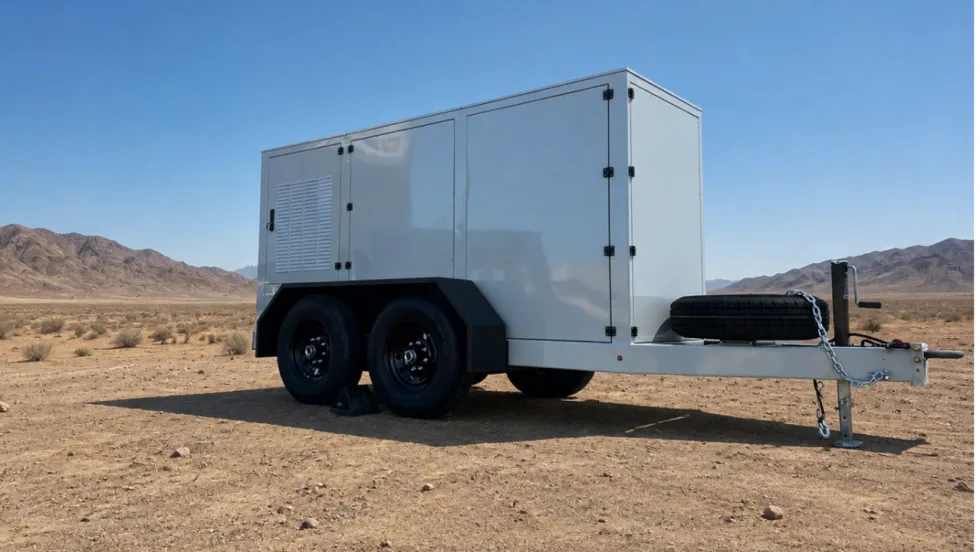
Xos Hub Surpasses One Gigawatt-Hour of Energy Delivered in the Field
A single Xos Hub has surpassed one gigawatt-hour of energy across more than 33,600 charging sessions in the field, demonstrating performance that supports Xos' expansion across new products and markets.
Read More →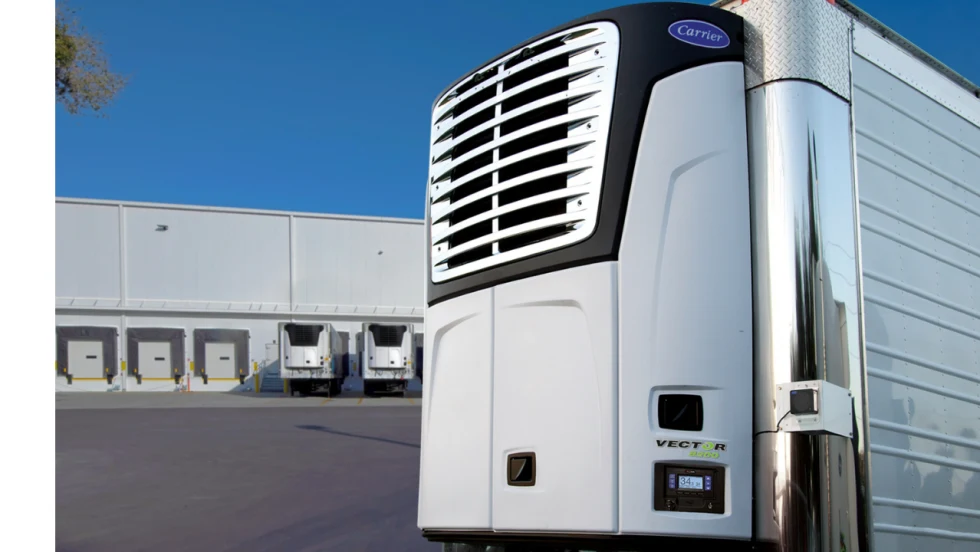
Carrier Transicold Launches All-Electric Vector 8200 TRU for Diesel-Free On-Site Cold Storage
Carrier Transicold’s first engineless multi-temperature TRU helps fresh- and frozen-food fleets add supplemental cold storage capacity during seasonal peaks.
Read More →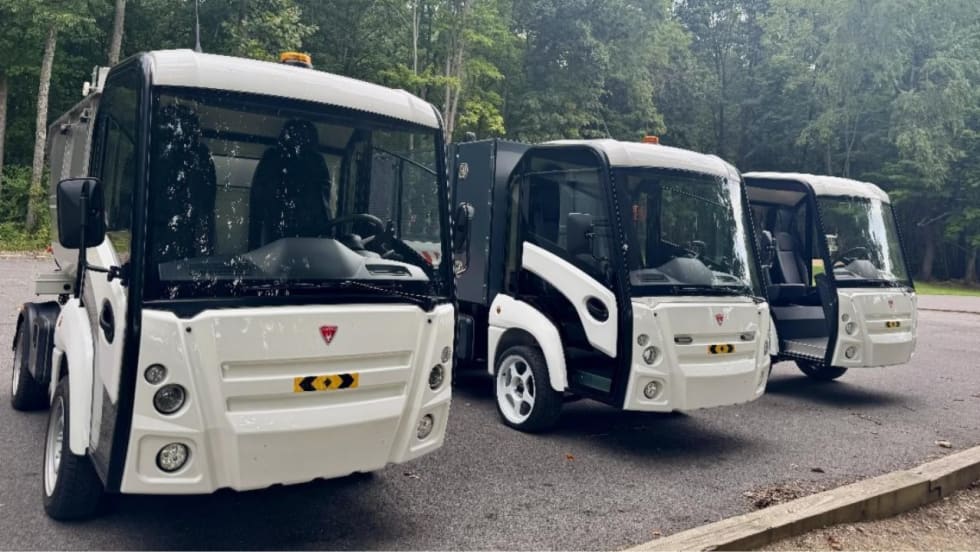
Narro Trucks Introduces Electric Utility Vehicle
Narro Trucks officially launched its operations on Aug. 20 and hosted a ride and drive to showcase its electric truck, which will be produced in Virginia.
Read More →
Samsung SDI Takes Full Control of GM Battery JV as Indiana Plant Pivots to Energy Storage
Samsung SDI is taking full control of its Indiana battery plant with GM, marking a major shift from the EV-focused joint venture Charged Fleet first covered in 2023.
Read More →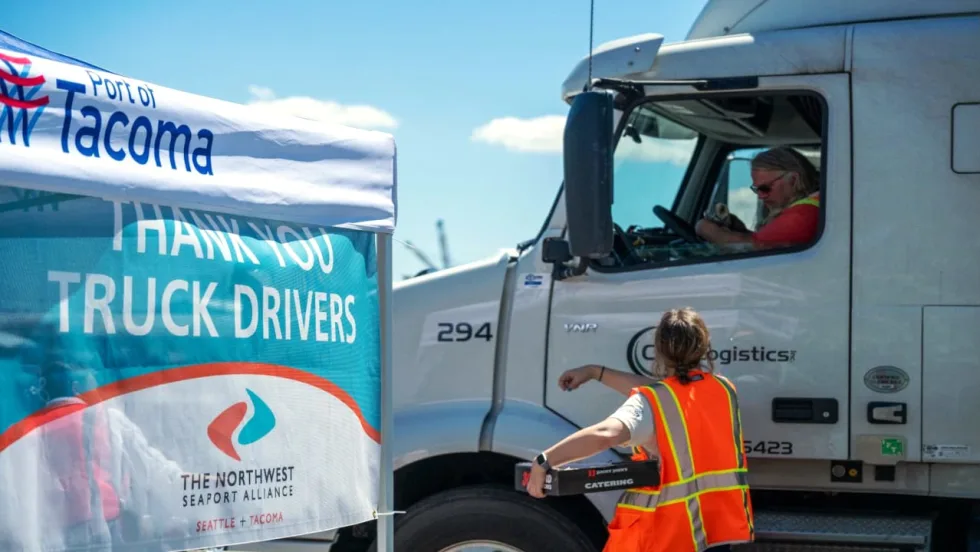
NWSA Taps CALSTART to Administer Zero-Emission Drayage Assistance Program
CALSTART will provide free technical assistance services to drayage fleets serving the Ports of Seattle and Tacoma and looking to transition to cleaner technologies and help decarbonize freight hubs.
Read More →
EV Fleet Reality Check: What Operators Wish They Knew Before Electrifying Their Work Vans
Electric work truck upfits bring new compatibility questions. Learn how parts availability, OEM guidance, power demands, and route planning can affect fleet performance.
Read More →
Peterbilt Expands Sourcewell Partnership with Electric Vehicle Lineup
Peterbilt Motors Company’s cooperative purchasing agreement with Sourcewell and its Canadian partner, Canoe Procurement Group, now includes including Peterbilt's battery-electric vehicle lineup.
Read More →