




Bypass Filter System Gives Dallas Fleet 200,000-Mile Oil Changes
With a fleet of 1,600 high-mileage trucks, Stevens Transport expects savings of at least $1 million annually.
Dallas-based Stevens Transport, a refrigerated TL carrier with 1,600 trucks is now approaching 200,000 miles between oil changes and the fleet's maintenance management staff is confident these super-long oil drains are safe and not harming engine life, Today’s Trucking reports. The Stevens fleet is made up of Kenworths and Peterbilts, all with Cat C15 engines. A 6-oz. oil sample is taken about every 30,000 miles and sent to Holt Caterpillar's lab in San Antonio. The oil analysis on each engine identifies parts per million of brass, copper, aluminum, and other wear materials. It also shows if there's any antifreeze or fuel dilution, according to Today’s Trucking. Stevens had been changing oil and filters every 30,000 miles, which is five or six times a year in this extremely high-mileage fleet. Under a test program started in March 2003, Eric Smith, the company's director of maintenance, began evaluating a new type of bypass oil filter that filters oil down to the 1- to 2-micron level and also boils away non-solid contaminants before returning the oil to the crankcase. After more than a year of tests during which Smith saw a dramatic decrease in the number of oil changes per year, Smith decided to change the entire fleet over to the new system, doing about 50 engines per month. More than 700 installations have been completed to date, and Stevens is projecting an 80-percent oil maintenance cost savings per truck per year. The filter is sold directly by the manufacturer, Oil Purification Systems Inc. Karl Klein, Stevens' service manager, said the OPS-1 bypass system takes an oil line off the pressurized side of the engine, going directly to the filter. It has a low flow rate—only four to five gallons per hour—which allows the oil to be filtered down to 1 to 2 microns through a small cellulose bonded filter. Oil then passes into an evaporation chamber heated by an 89-watt 7-amp heater that heats the oil to 195 to 210°F in order to evaporate off any liquids. Cleaned oil is then returned to the crankcase virtually soot and glycol-free. The OPS units are about the size of a coffee pot and can be mounted wherever it's convenient—typically on the firewall. The two-piece system takes about an hour to install, according to Smith. Based on its experience to date, Stevens' management is already saying it might be able to extend vehicle life one to two years and do it without overhauling engines.
More Small Fleet


Developing Budget-Friendly Driver Safety Programs
From driver training and safety meetings to one-on-one coaching and incentive programs, several small fleets share how they have developed a safety culture with their drivers using low- to no-cost resources.
Read More →
Boosting Last-Mile Fleet Uptime, Safety, and Value with AI Vehicle Inspections
AI-powered inspections are transforming last-mile fleets by replacing manual checks with highly accurate automated scans that detect defects in seconds. By giving fleet operations visibility into the daily condition of their vehicles, you can identify trends over the vehicle’s lifecycle that enable improved procurement decisions, route management, driver training and accountability.
Read More →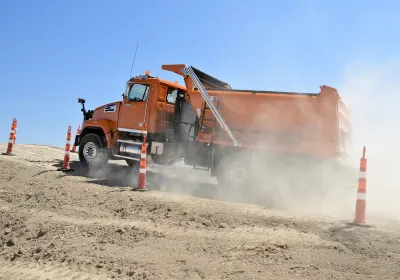

Five Ways Seat Belts Help Prevent Injuries
There are five ways seat belts protect occupants from injuries, according to the Tennessee Department of Safety and Homeland Security.
Read More →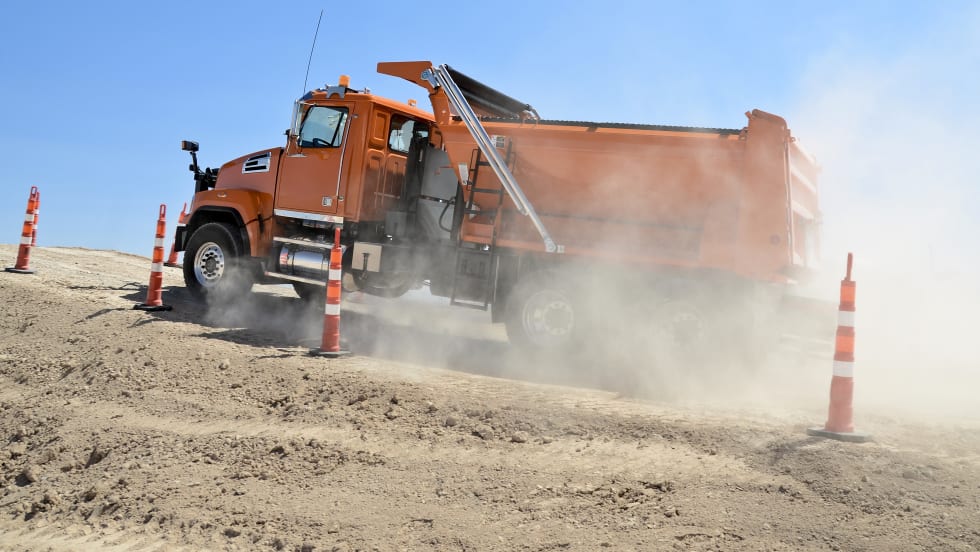
Basic Tracking vs Next Generation Fleet Technology
Fleet software is getting more sophisticated and effective than ever, tying big data models together to transform maintenance, safety, and the value of your existing tech stack. Fleet technology upgrades are undoubtedly an investment, but updated technology can offer a much higher return. Read how upgrading your fleet technology can increase the return on your investment.
Read More →
It’s here: The 2026 Fleet Technology Trends Report
What does AI mean for fleets? Get the answer — and learn other top tech trends.
Read More →
Small Fleets, Big Impact: How Independent Drivers Power Wreaths Across America
Check out how small fleets and independent drivers power Wreaths Across America each December and why their impact matters more than ever.
Read More →
VMS Survey Finds 65% of Small Fleet Managers Run Operations Alone
A new VMS survey shows small fleet managers are stretched thin, with most handling operations solo and eager to adopt digital tools for relief.
Read More →
Tips for Driving Safely on Halloween Night
This video features a reminder from the Connecticut Department of Transportation (DOT) and the Connecticut Police Chiefs Association, urging drivers to prioritize safety this Halloween.
Read More →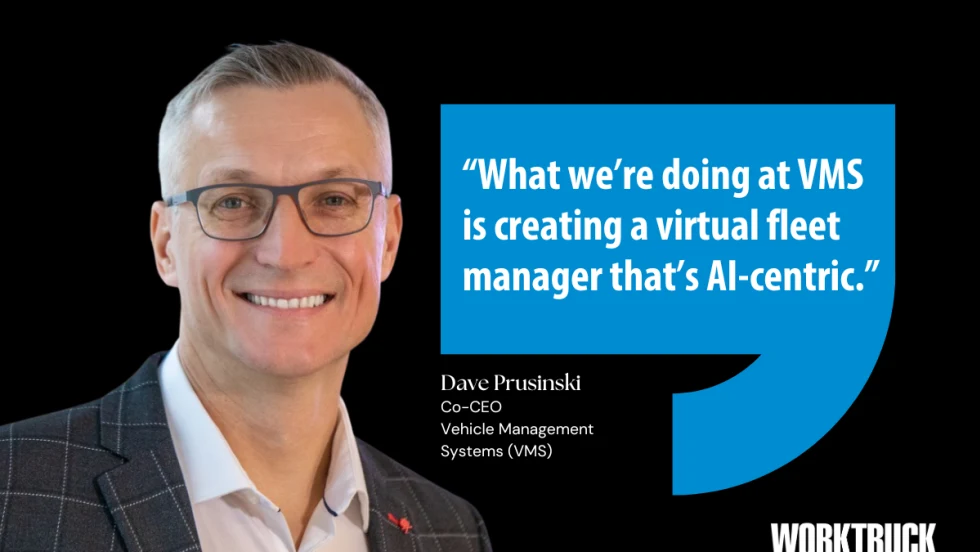
AI, Access, and Uptime: VMS’s Next Chapter with David Prusinski
VMS’s new Co-CEO, David Prusinski, shares how an AI-first approach will give small fleets and repair shops the tools to compete like big players.
Read More →