




Buick Unveils 2011 Regal
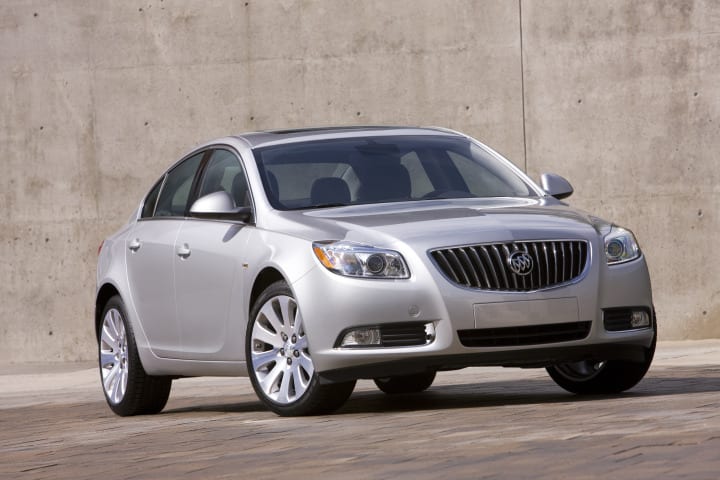
Arriving in the second of 2010, the 2011 Buick Regal features a six-speed automatic transmission, 18-inch wheels and OnStar.
© GM Corp

On Nov. 12, Buick revealed the 2011 Regal sport sedan to customers in the L.A. area. Armed with turbocharged horsepower, a driver-selectable suspension system and a firm, European-tuned chassis, it delivers a driving experience that rivals the best import sport sedans in the segment.
"The 2011 Buick Regal is like nothing you've ever experienced from this brand," said Susan Docherty, general manager of Buick GMC. "The Regal is the next chapter in Buick's transformation and will expand the portfolio to include a sport sedan."
The new Regal arrives in the second quarter of 2010, with its sights aimed squarely on competitors like the Acura TSX and Volvo S60. It has a longer wheelbase and greater trunk volume than those vehicles, along with standard features - including a six-speed automatic transmission, 18-inch wheels and OnStar - that aren't offered standard on either competitor.
The Regal's development is rooted in Germany, where the globally led engineering team created the award-winning Opel Insignia-the 2009 European Car of the Year. The Insignia has garnered more than 31 prestigious awards and is the best-selling midsize sedan in Europe. Regal will bring all of Insignia's award-winning design, technology and European-inspired performance capabilities to the American market.
The Regal has already been a success on another continent, in China. It went on sale in December 2008 and more than 64,000 Regals have been sold there. Enthusiastic customers cite its sculpted, flowing design and responsive performance as the top reasons for purchase.
Regal at a glance
Regal will initially be offered in premium CXL trim only, with additional trim levels to be offered in the 2012 model year. The well-equipped Regal CXL includes the following as standard or available equipment:
Standard 2.4L Ecotec direct injected engine rated at an estimated 182 horsepower (136 kW)
Available 2.0L Ecotec turbocharged and direct injected engine rated at an estimated 220 horsepower (164 kW) - available late-summer 2010
Both engines have a six-speed automatic transmission standard with driver-shifting control
Estimated 30 mpg on the highway with the 2.4L and 29 mpg highway with the 2.0L turbo engine
MacPherson strut front suspension and four-link independent rear suspension
All-new Interactive Drive Control System (IDCS) available with the 2.0L turbo, offering driver-selectable suspension settings and automatic driver suspension setting adaptability
Four-wheel disc brakes with four-channel anti-lock braking system, brake assist and electronic parking brake
Standard StabiliTrak stability control system and full-function traction control
Standard dual-stage frontal air bags, side-curtain air bags and pedal-release system; rear-seat thorax air bags available
Available navigation system, Harmon Kardon sound system, internal flash drive (1GB), hard drive with 10GB for music and USB port
Standard 18-inch wheels (19-inch wheels standard with IDCS)
Standard 12-way power, leather and heated driver seat; leather and heated passenger front seat; Bluetooth capability; XM Satellite Radio and OnStar.
More Small Fleet


Developing Budget-Friendly Driver Safety Programs
From driver training and safety meetings to one-on-one coaching and incentive programs, several small fleets share how they have developed a safety culture with their drivers using low- to no-cost resources.
Read More →
Boosting Last-Mile Fleet Uptime, Safety, and Value with AI Vehicle Inspections
AI-powered inspections are transforming last-mile fleets by replacing manual checks with highly accurate automated scans that detect defects in seconds. By giving fleet operations visibility into the daily condition of their vehicles, you can identify trends over the vehicle’s lifecycle that enable improved procurement decisions, route management, driver training and accountability.
Read More →

Five Ways Seat Belts Help Prevent Injuries
There are five ways seat belts protect occupants from injuries, according to the Tennessee Department of Safety and Homeland Security.
Read More →
Basic Tracking vs Next Generation Fleet Technology
Fleet software is getting more sophisticated and effective than ever, tying big data models together to transform maintenance, safety, and the value of your existing tech stack. Fleet technology upgrades are undoubtedly an investment, but updated technology can offer a much higher return. Read how upgrading your fleet technology can increase the return on your investment.
Read More →
It’s here: The 2026 Fleet Technology Trends Report
What does AI mean for fleets? Get the answer — and learn other top tech trends.
Read More →
Small Fleets, Big Impact: How Independent Drivers Power Wreaths Across America
Check out how small fleets and independent drivers power Wreaths Across America each December and why their impact matters more than ever.
Read More →
VMS Survey Finds 65% of Small Fleet Managers Run Operations Alone
A new VMS survey shows small fleet managers are stretched thin, with most handling operations solo and eager to adopt digital tools for relief.
Read More →
Tips for Driving Safely on Halloween Night
This video features a reminder from the Connecticut Department of Transportation (DOT) and the Connecticut Police Chiefs Association, urging drivers to prioritize safety this Halloween.
Read More →
AI, Access, and Uptime: VMS’s Next Chapter with David Prusinski
VMS’s new Co-CEO, David Prusinski, shares how an AI-first approach will give small fleets and repair shops the tools to compete like big players.
Read More →