




Brake Issue Prompts Recall of Jeep Grand Cherokees, Dodge Durangos
The recall, set to get under way in May, will cover 644K 2011-2014-MY SUVs in the U.S.
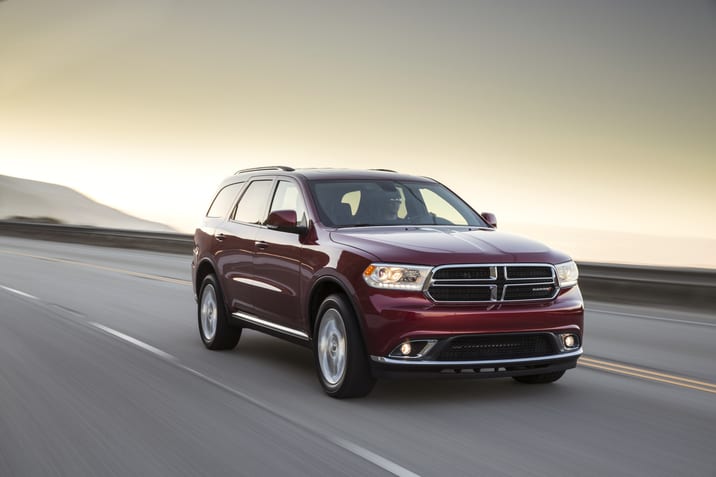
Photo of 2014 Dodge Durango courtesy of Chrysler Group.
Photo of 2014 Dodge Durango courtesy of Chrysler Group.
Chrysler Group is recalling 644,354 2011 through 2014 model-year Jeep Grand Cherokee and Dodge Durango SUVs to address an issue that could hinder braking, the National Highway Traffic Safety Administration reports.
The recall covers vehicles manufactured from Jan. 5, 2010, through Sept. 8, 2013. In these SUVs, the brake booster’s center shell might corrode and allow water to get inside. If this water freezes, braking power might diminish, NHTSA said.
Dealers will add a water diverter shield to the booster after verifying it can hold enough vacuum pressure. But if the dealer’s booster inspection reveals an unacceptable loss of vacuum pressure, the booster will be replaced. Repairs will be made free of charge.
Chrysler Group said it launched an investigation into the problem after receiving customer feedback about excessive brake-pedal firmness. The investigation discovered that certain vehicles have brake boosters with small crimp joints that are susceptible to corrosion when exposed to water.
The automaker said it is aware of one accident related to the problem but no injuries.
The recall is expected to begin in May. Vehicle owners can reach Chrysler at 1-800-853-1403. Chrysler's recall campaign number is P14.
In addition to the U.S. action, Chrysler Group is also recalling the SUVs in Canada (42,380 vehicles), Mexico (21,376 vehicles) and outside the NAFTA region (159,685).
Originally posted on Automotive Fleet
More Small Fleet


Developing Budget-Friendly Driver Safety Programs
From driver training and safety meetings to one-on-one coaching and incentive programs, several small fleets share how they have developed a safety culture with their drivers using low- to no-cost resources.
Read More →
Boosting Last-Mile Fleet Uptime, Safety, and Value with AI Vehicle Inspections
AI-powered inspections are transforming last-mile fleets by replacing manual checks with highly accurate automated scans that detect defects in seconds. By giving fleet operations visibility into the daily condition of their vehicles, you can identify trends over the vehicle’s lifecycle that enable improved procurement decisions, route management, driver training and accountability.
Read More →
Five Ways Seat Belts Help Prevent Injuries
There are five ways seat belts protect occupants from injuries, according to the Tennessee Department of Safety and Homeland Security.
Read More →
It’s here: The 2026 Fleet Technology Trends Report
What does AI mean for fleets? Get the answer — and learn other top tech trends.
Read More →
Small Fleets, Big Impact: How Independent Drivers Power Wreaths Across America
Check out how small fleets and independent drivers power Wreaths Across America each December and why their impact matters more than ever.
Read More →
VMS Survey Finds 65% of Small Fleet Managers Run Operations Alone
A new VMS survey shows small fleet managers are stretched thin, with most handling operations solo and eager to adopt digital tools for relief.
Read More →
Tips for Driving Safely on Halloween Night
This video features a reminder from the Connecticut Department of Transportation (DOT) and the Connecticut Police Chiefs Association, urging drivers to prioritize safety this Halloween.
Read More →
AI, Access, and Uptime: VMS’s Next Chapter with David Prusinski
VMS’s new Co-CEO, David Prusinski, shares how an AI-first approach will give small fleets and repair shops the tools to compete like big players.
Read More →
Fleet Managers Share Winter Prep Tips: It's Never Too Early!
Three fleets share best practices to prep vehicles for winter and prevent downtime when the cold sets in.
Read More →