




BMW Group Presents Telematics Strategies: Emphasis Remains on the Driver

When will the driver be replaced? Will we drive our cars "automatically" tomorrow? On the occasion of the ITS World Congress in Torino the BMW Group is presenting new systems in the areas of driver assistance and telematics. But BMW is clearly opposed to the "automatic" driver and any external intervention in the process of driving. Whether stop-and-go cruise control, local hazard warnings or the BMW ASSIST telematics service, all of BMW's innovations are integrated into a comprehensive driver support concept, according to company officials. "ConnectedDrive" aims for intelligent communication between the driver, the car and the surroundings. Systems based on this principle give the driver information they either cannot obtain at all or only inadequately when using only their own resources. Electronic assistants, for example, relieve the driver of the usual chores in traffic and thus help to ensure a safer, more efficient and comfortable style of motoring. Intelligent mobility also means transmitting traffic-relevant data and other information from one car to the other. This is essential in order to network the driver, the driver's vehicle and the surroundings, in the process anticipating any interaction between these contributing factors, according to BMW. Interfaces between automotive technology and telematics offer unprecedented opportunities: The car is "connected" and communicates increasingly with its direct or more remote surroundings. It generates and processes data, it transmits and receives digital information. The benefits and potentials offered in this way are already becoming clear today. In the long term they will provide excellent options for protecting the environment, taking the burden off the traffic system as a whole, and increasing safety to an unprecedented standard. Although BMW has been among the pioneers of modern telematics ever since the introduction of the first navigation system in a series production model in 1994, it is particularly the more recent developments which help to synchronize individual mobility with the needs of our information and knowledge society, according to company officials. Thorough testing of MOST technology for wide-band information networking within the car's interior or BMW's early focus on Bluetooth communication technology are just two examples in this context. All of BMW's concepts in developing such systems follow the philosophy that the driver always comes in the middle. And in some areas this statement is correct even in its literal meaning, particularly in providing ergonomic interfaces between man and machine. The objective is to ensure a smooth flow of information by way of appropriate man/machine interfaces in the individual systems, benefiting the user and at the same time allowing the driver to concentrate in full on the traffic around him. System ergonomics of this kind is characterized by the arrangement and configuration of the controls as well as a logical communication dialogue. Examples of this kind already presented by BMW are the driver-centered cockpit or the BMW multifunction steering wheel. A second aspect in optimizing the man/machine interface is the integration of the driver in his car into the supply of information from outside. Typical examples are the on-line presentation of trip-related or other worthwhile information as well as communication with the driver's surroundings. Applying all these options in technology, "ConnectedDrive" seeks to ensure a meaningful division of activities by combining the respective strengths of man and machine, each doing their best to achieve a common goal. Driver assistance systems offer a broad scope of applications and benefits particularly in this respect, obtaining the best results from each source. They can support the driver wherever necessary, taking the different levels of performance of different drivers into account. They can help the driver acquire increasing experience and do his job properly. But they do not seek to take over decisions or responsibility due to the driver and the driver alone. Like the various forms of "Artificial Intelligence" (AI), attempts to automate chaotic systems such as road traffic either in full or in part are seen in a very critical light. This also includes attempts to control the top speed of a vehicle by means of telematics, forcing the driver to slow down to a specific speed limit. In the worst case such a shift of responsibility from the driver to some kind of overriding system may lead to chain reactions involving severe consequences. Hazards will inevitably arise whenever the driver relies on a specific speed dictated to him from some kind of external control system but not properly reflecting the current situation on the road, according to BMW. BMW's approach is therefore quite different: All kinds of sensors partly networked with one another determine the car's surroundings, evaluate the data obtained in the process, and specify a road speed safe under all conditions and subsequently transmitted to the driver as an intuitive recommendation via the Active Gas Pedal. The driver nevertheless remains responsible for maintaining this recommended speed, thus retaining his role as the crucial, decision-making link within the overall driving and vehicle control system. Further information on "ConnectedDrive" is available at the www.ConnectedDrive.com Website.
More Small Fleet


Developing Budget-Friendly Driver Safety Programs
From driver training and safety meetings to one-on-one coaching and incentive programs, several small fleets share how they have developed a safety culture with their drivers using low- to no-cost resources.
Read More →
Boosting Last-Mile Fleet Uptime, Safety, and Value with AI Vehicle Inspections
AI-powered inspections are transforming last-mile fleets by replacing manual checks with highly accurate automated scans that detect defects in seconds. By giving fleet operations visibility into the daily condition of their vehicles, you can identify trends over the vehicle’s lifecycle that enable improved procurement decisions, route management, driver training and accountability.
Read More →

Five Ways Seat Belts Help Prevent Injuries
There are five ways seat belts protect occupants from injuries, according to the Tennessee Department of Safety and Homeland Security.
Read More →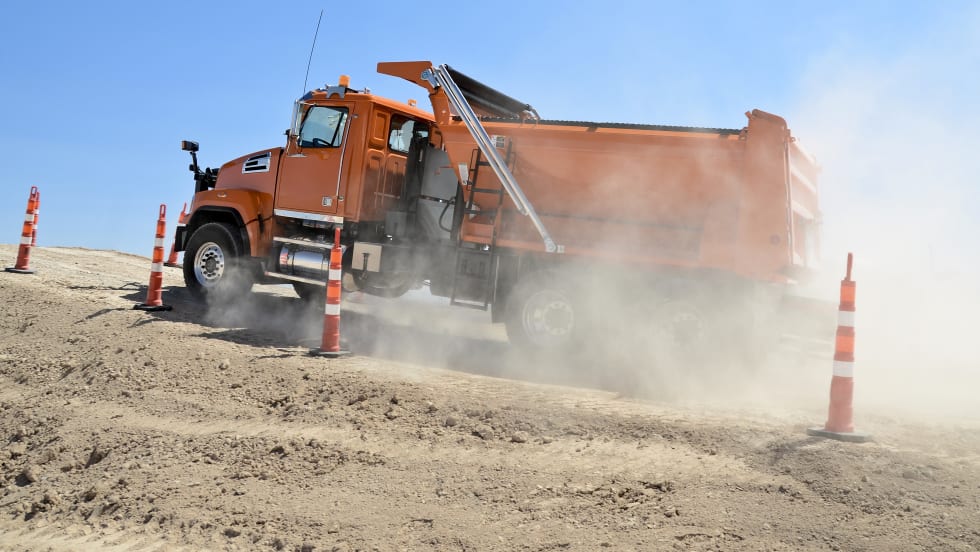
Basic Tracking vs Next Generation Fleet Technology
Fleet software is getting more sophisticated and effective than ever, tying big data models together to transform maintenance, safety, and the value of your existing tech stack. Fleet technology upgrades are undoubtedly an investment, but updated technology can offer a much higher return. Read how upgrading your fleet technology can increase the return on your investment.
Read More →
It’s here: The 2026 Fleet Technology Trends Report
What does AI mean for fleets? Get the answer — and learn other top tech trends.
Read More →
Small Fleets, Big Impact: How Independent Drivers Power Wreaths Across America
Check out how small fleets and independent drivers power Wreaths Across America each December and why their impact matters more than ever.
Read More →
VMS Survey Finds 65% of Small Fleet Managers Run Operations Alone
A new VMS survey shows small fleet managers are stretched thin, with most handling operations solo and eager to adopt digital tools for relief.
Read More →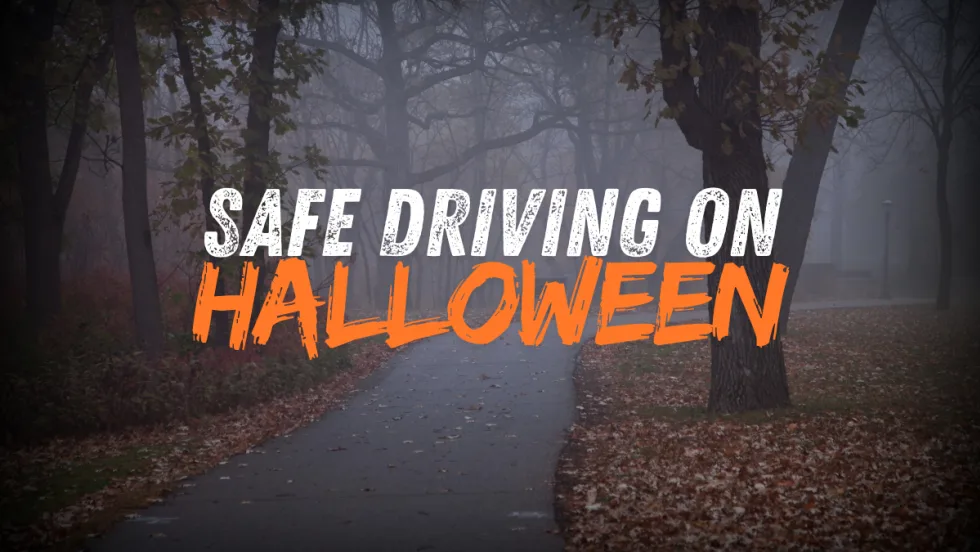
Tips for Driving Safely on Halloween Night
This video features a reminder from the Connecticut Department of Transportation (DOT) and the Connecticut Police Chiefs Association, urging drivers to prioritize safety this Halloween.
Read More →
AI, Access, and Uptime: VMS’s Next Chapter with David Prusinski
VMS’s new Co-CEO, David Prusinski, shares how an AI-first approach will give small fleets and repair shops the tools to compete like big players.
Read More →