




BF In-Depth: Cashless Toll Roads Transform Driving, Even Fast Food
Houston’s Westpark Tollway opened in May as the first completely cash-free toll road in the country, and more are planned in the not-too-distant future. Yet the implementation of this new technology has not come without confusion. Cashless toll roads take the benefits of a paid access road to the next level by eliminating the need to stop at a booth and locate correct change, often time-consuming and tedious tasks. To access the Westpark Tollway, customers must open an EZ TAG account with a $40 minimum balance. Tolls are automatically deducted until the account reaches $10 and then the Authority charges a credit card on file to bring the account back to its original balance. Corporate accounts function much the same way, but an account starts with $600 and a $15 refundable deposit must be paid for each transponder issued. In Houston, EZ TAG customers save 20 percent compared to those using a mainline toll booth. More Electronic Toll Roads Planned Toll roads coming to Dallas and Austin, Texas, will all use the same transponder to allow for seamless travel between the cities, said Jonnie Bryant, assistant public information officer for the Harris County Toll Road Authority. The idea of replacing collection booths with transponder readers has gained popularity internationally and is becoming more prominent in many states, including Oklahoma, California, Texas, Florida, and New Jersey. Motorists must purchase a transponder that attaches to a vehicle’s windshield to the right of the rearview mirror. It is approximately the size of a credit card and is read through radio frequencies. No Booth, No Pay? The concept of a cashless toll road created some initial confusion for motorists who believed there was no fee if there was no booth, Bryant said. Others think they can’t get caught if they do not see the flashing lights of a police officer behind them. But the Westpark Tollway, and many other highways, streets and intersections around the country, uses video surveillance to capture drivers breaking the law. A photograph is taken of the vehicle’s license plate and the driver’s face and the information is cross referenced with the Department of Motor Vehicles so a ticket can be issued. Traditional police officers are still used in states that forbid using video cameras for this purpose. “We don’t issue a citation for the first two violations because people are still learning,” Bryant told Business Fleet. “But we are getting very persistent with those who violate again and again and don’t want to pay.” Some toll authorities take the position that there are no violators and those traveling on the toll road without a pass are sent a bill for the amount of the toll. E-ZPass has been used on toll roads on the East Coast for more than 10 years and encompasses close to 15 agencies and state departments of transportation. Currently, the pass is compatible on roads from Maine to Maryland. National System Likely Neil Gray, director of government affairs for the International Bridge, Tunnel and Turnpike Association, said the regional systems will most likely merge into a national system one day, but that is still too premature right now. “Everyone has to agree on what technical device to use and business relationships must be created [between the governing agencies] so that collections go to the right agency,” Gray said. Although all the electronic passes use radio bandwidths, the data is encoded differently for each system. As compatibility and cross-use increase for motorists, billing becomes more complex for the governing bodies that must correctly allocate the money. But ever-increasing technology and higher density roadways make a federal framework a logical progression in time, Gray said. These developments are important for fleet drivers who may frequently travel on toll roads in different regions. Fleet operators would no longer have to rely on drivers to carry cash and keep track of all tolls paid. Furthermore, eliminating the stops on a toll road allows for faster travel, less wear and tear on brakes, and better fuel efficiency. The risk of accidents is also lowered when vehicles are no longer forced to merge while traveling at varying speeds, such as after a toll both. Buy a Big Mac With Your Toll Tag As transponders become more commonplace in vehicles, businesses outside of the transportation industry have started to experiment with how their application can be diversified. McDonald’s started a trial program in 2002 that allowed drive-thru customers to pay for their meals using their toll tag. Neil Schuster, CEO and president of the Intelligent Transportation Society of America, said he expects these advancements to transform how transportation is used. “The applications are so widespread,” Schuster said. “Eventually these tags could be used for parking, building access and purchases. GPS is even being looked at to track vehicles and charge tolls.” Schuster predicted that cell phones will play an important role in the next step of linking vehicles to everyday activities. The portability, capacity to perform many functions, and widespread use by the public make cell phones appealing for many business applications.
More Small Fleet

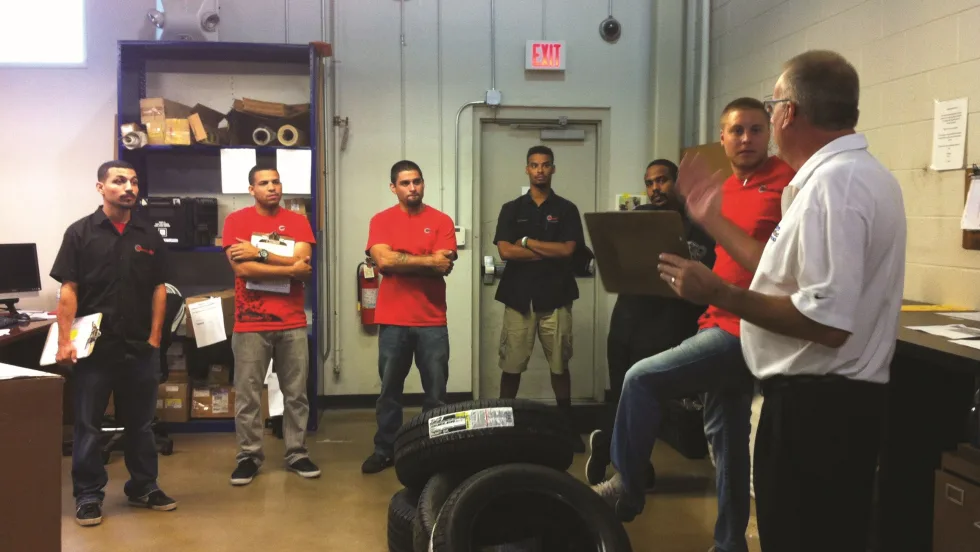
Developing Budget-Friendly Driver Safety Programs
From driver training and safety meetings to one-on-one coaching and incentive programs, several small fleets share how they have developed a safety culture with their drivers using low- to no-cost resources.
Read More →
Boosting Last-Mile Fleet Uptime, Safety, and Value with AI Vehicle Inspections
AI-powered inspections are transforming last-mile fleets by replacing manual checks with highly accurate automated scans that detect defects in seconds. By giving fleet operations visibility into the daily condition of their vehicles, you can identify trends over the vehicle’s lifecycle that enable improved procurement decisions, route management, driver training and accountability.
Read More →

Five Ways Seat Belts Help Prevent Injuries
There are five ways seat belts protect occupants from injuries, according to the Tennessee Department of Safety and Homeland Security.
Read More →
Basic Tracking vs Next Generation Fleet Technology
Fleet software is getting more sophisticated and effective than ever, tying big data models together to transform maintenance, safety, and the value of your existing tech stack. Fleet technology upgrades are undoubtedly an investment, but updated technology can offer a much higher return. Read how upgrading your fleet technology can increase the return on your investment.
Read More →
It’s here: The 2026 Fleet Technology Trends Report
What does AI mean for fleets? Get the answer — and learn other top tech trends.
Read More →
Small Fleets, Big Impact: How Independent Drivers Power Wreaths Across America
Check out how small fleets and independent drivers power Wreaths Across America each December and why their impact matters more than ever.
Read More →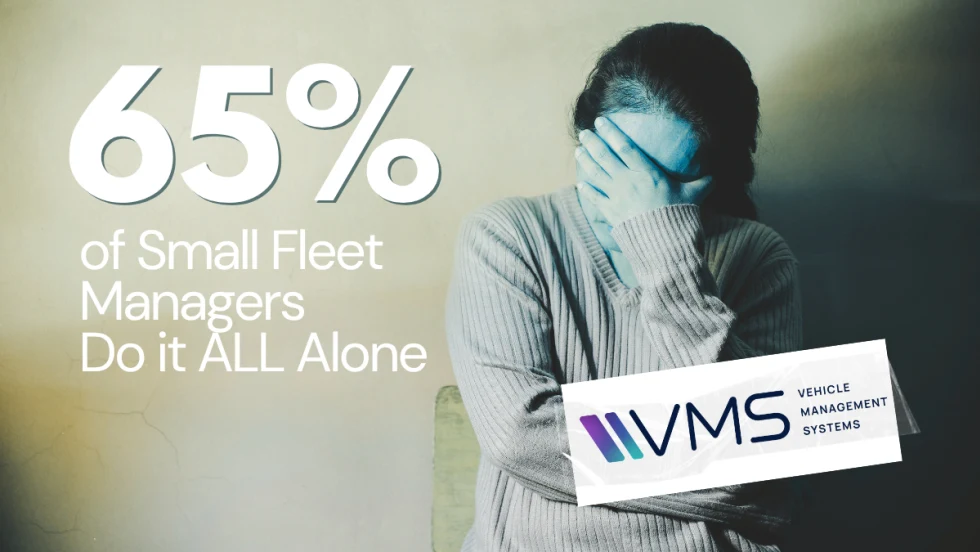
VMS Survey Finds 65% of Small Fleet Managers Run Operations Alone
A new VMS survey shows small fleet managers are stretched thin, with most handling operations solo and eager to adopt digital tools for relief.
Read More →
Tips for Driving Safely on Halloween Night
This video features a reminder from the Connecticut Department of Transportation (DOT) and the Connecticut Police Chiefs Association, urging drivers to prioritize safety this Halloween.
Read More →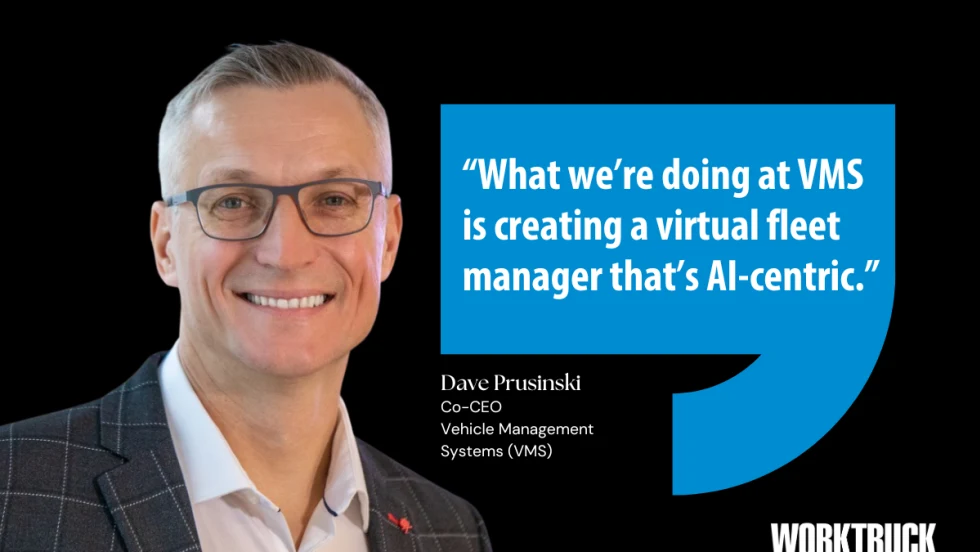
AI, Access, and Uptime: VMS’s Next Chapter with David Prusinski
VMS’s new Co-CEO, David Prusinski, shares how an AI-first approach will give small fleets and repair shops the tools to compete like big players.
Read More →