





EV Battery Solutions: Troubleshooting Batteries & End-Of-Life Recycling
Battery Electric Vehicle (BEV) Brand Leadership at a Crossroads
Fleet BEV brand competition heats up as legacy brands, startups, and Chinese entrants vie for market share amid projected 159% growth in three years.
October 9, 2024
Established and new automakers compete to capture a growing share of the fleet battery electric vehicle market.
Photo: Work Truck
3 min to read
The competition for battery-electric vehicle brand leadership in the commercial fleet sector is heating up as established automakers, new EV startups, and Chinese entrants race to capture market share. Despite aggressive electrification targets and regulatory pushes, fewer than 25% of companies have integrated BEVs into their fleets.
BEV penetration currently sits between 3% and 9% across various segments, but fleet decision-makers have plans to increase that to 8%–23% over the next three years — representing a potential growth of up to 159%.
This data comes from the latest Fleet Electrification Brand Landscape Report by Escalent’s Fleet Advisory Hub, which surveyed over 1,000 fleet decision-makers. The report covers sentiments related to BEV adoption and brand perceptions across light passenger vehicles, commercial vans, pickups, and medium- and heavy-duty vehicles.
Despite rising interest, fleet managers continue to face adoption hurdles. The top concerns include range limitations (37%), battery life and replacement costs (30%), and charging times (29%).
Interestingly, only 4% of respondents listed brand loyalty as a significant barrier, indicating that the main challenges are rooted in operational complexities and cost predictability.
“Fleets are still dipping their toes in, not diving in headfirst, when it comes to BEV adoption,” noted Lucas Lowden, insights consultant and program lead of Fleet Advisory Hub at Escalent. “The appetite is there, but the infrastructure isn’t fully supportive yet. Fleet owners need more clarity on BEV cost structures and how they stack up against traditional internal combustion engine (ICE) vehicles.”
Established Brands vs. Startups: Who Will Win?
Brands like Ford, Chevrolet, Mercedes-Benz, Toyota, Freightliner, and Kenworth/Peterbilt are leveraging their established reputations to gain early consideration among fleet buyers. Meanwhile, newer entrants like BrightDrop, Canoo, Arrival, Polestar, and Rivian are making their mark, with year-over-year growth in brand recognition exceeding 50%.
“Legacy brands bring decades of relationships and trust, while startups offer agility and innovation,” said Dania Rich-Spencer, vice president and strategic advisor for Fleet Advisory Hub. “As ecosystem challenges subside, brands that offer comprehensive solutions tailored to fleet needs will shape the future of BEV adoption.”

Brands competing for BEV leadership need to focus on providing complete solutions that meet fleet-specific needs.
Photo: Work Truck | Escalent
The Global Players: Chinese Brands Enter the Mix
Chinese automakers are also joining the fray, adding another layer of complexity to the BEV landscape. BYD, a leading name in the electric bus segment, boasts a 19% top-of-mind awareness among fleet decision-makers, while brands like NIO are still building recognition.
However, these companies will face challenges related to geopolitical concerns, service availability, and quality perceptions.
Tesla’s Mixed Performance
Tesla, a dominant player in the consumer BEV space, is seeing mixed results in the fleet market. While it still ranks in the top three for BEV leadership, it has experienced notable declines in awareness and favorability across light passenger, commercial truck, and medium- and heavy-duty segments — down 10%, 15%, and 23%, respectively.
Aging products, program delays, and ongoing controversies surrounding its leadership have impacted its standing.

Fleets are cautious with BEV adoption as many wait for infrastructure and cost clarity before fully committing.
Photo: Work Truck | Escalent
The Road Ahead for BEV Fleets
The race for BEV brand leadership is far from settled. As the market grows and infrastructure improves, legacy and emerging brands will need to demonstrate product excellence and a deep understanding of fleet-specific needs to capture the expanding demand.
More Green Fleet

Fleet Forward Conference Introduces One-Day Passes for 2026
New one-day registration gives fleet professionals the flexibility to attend Tuesday, Wednesday, or Thursday, with passes available for $199 through Sept. 18.
Read More →
CALSTART Rebrands as Catalyst Mobility, Will Combine with Forth in 2027
CALSTART has rebranded as Catalyst Mobility and will combine with Forth at the start of 2027. The new organization said it is poised to become one of the world's largest, strongest, and most impactful clean transportation nonprofits.
Read More →
Electric Truck and Charging Programs to Boost Sustainability at NY & NJ Ports
Together, the Port Authority of New York and New Jersey and CALSTART will electrify drayage and terminal operations serving the East Coast’s busiest container port. A pair of incentive programs totaling $45 million has launched to accelerate adoption of zero-emission drayage trucks and terminal tractors.
Read More →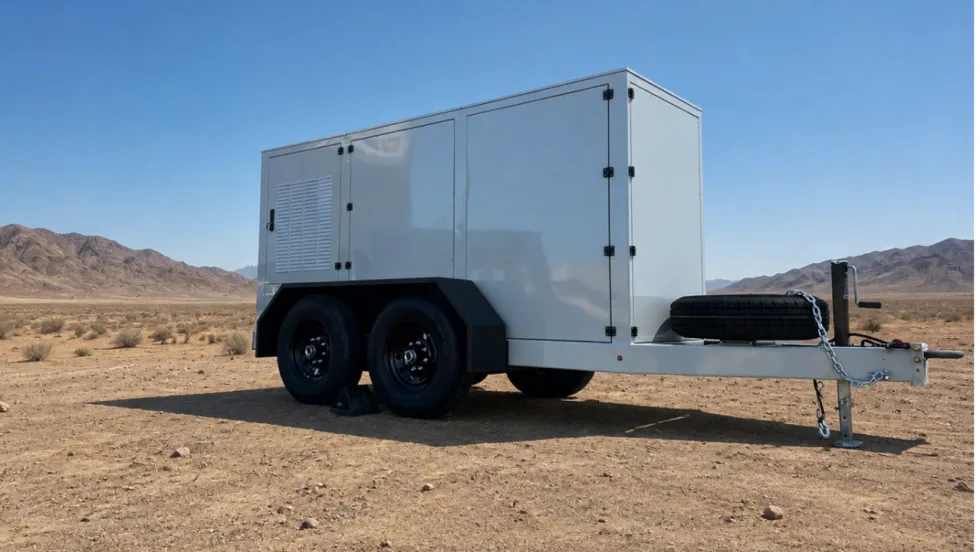
Xos Hub Surpasses One Gigawatt-Hour of Energy Delivered in the Field
A single Xos Hub has surpassed one gigawatt-hour of energy across more than 33,600 charging sessions in the field, demonstrating performance that supports Xos' expansion across new products and markets.
Read More →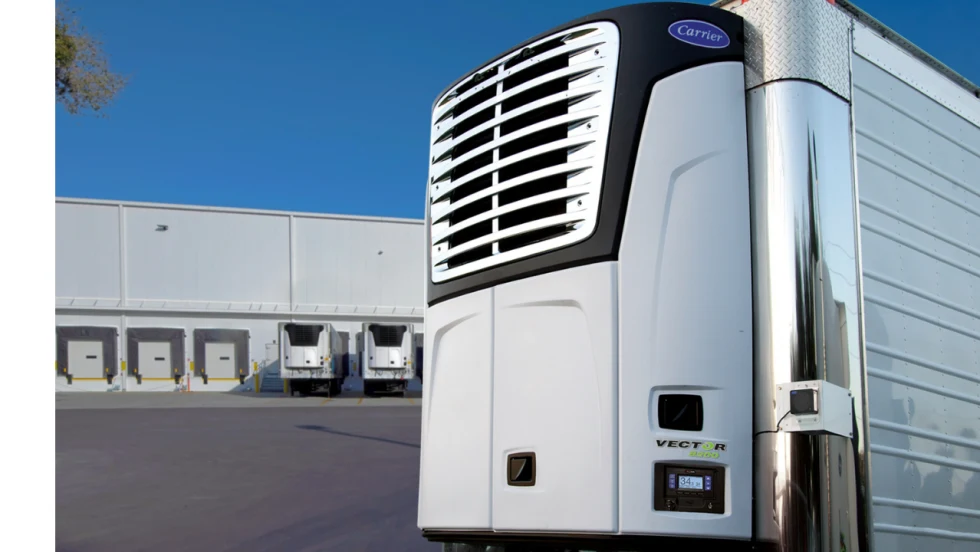
Carrier Transicold Launches All-Electric Vector 8200 TRU for Diesel-Free On-Site Cold Storage
Carrier Transicold’s first engineless multi-temperature TRU helps fresh- and frozen-food fleets add supplemental cold storage capacity during seasonal peaks.
Read More →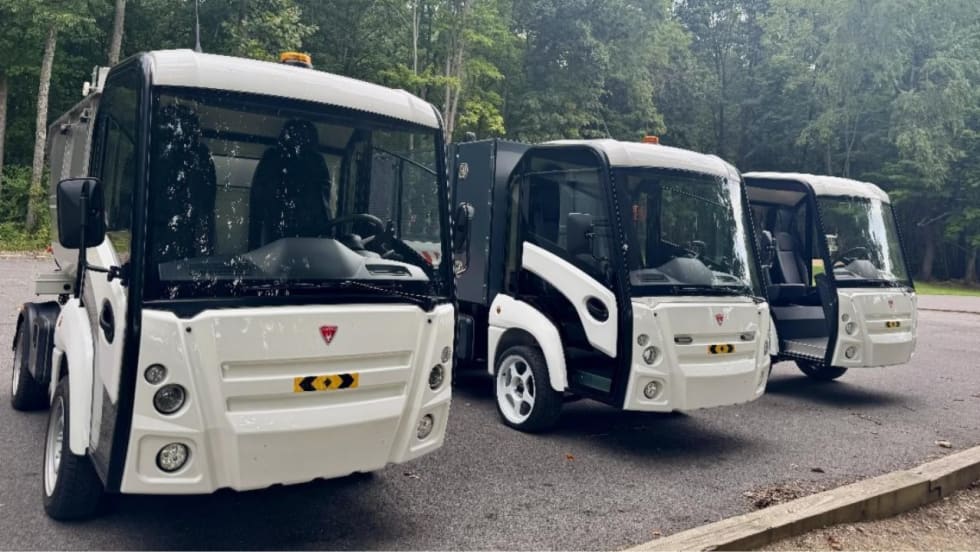
Narro Trucks Introduces Electric Utility Vehicle
Narro Trucks officially launched its operations on Aug. 20 and hosted a ride and drive to showcase its electric truck, which will be produced in Virginia.
Read More →
Samsung SDI Takes Full Control of GM Battery JV as Indiana Plant Pivots to Energy Storage
Samsung SDI is taking full control of its Indiana battery plant with GM, marking a major shift from the EV-focused joint venture Charged Fleet first covered in 2023.
Read More →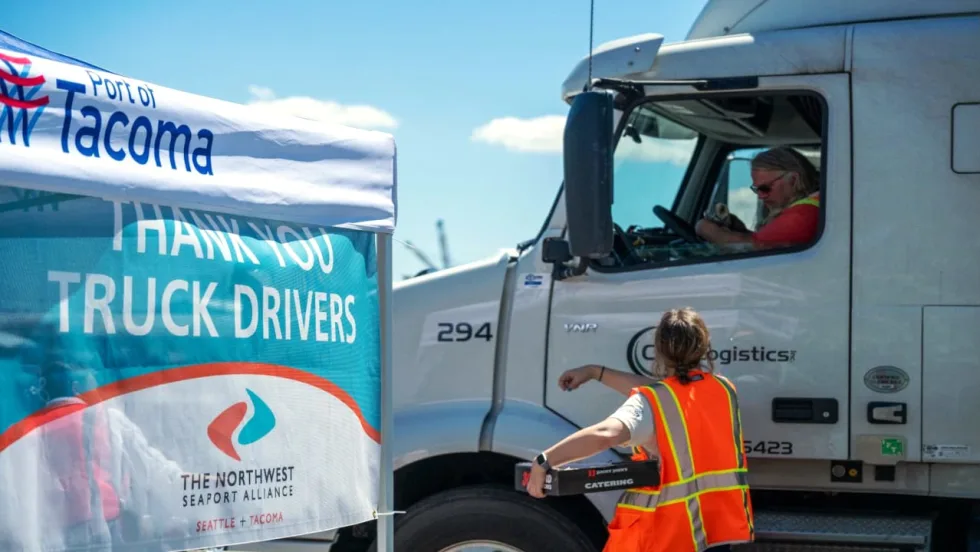
NWSA Taps CALSTART to Administer Zero-Emission Drayage Assistance Program
CALSTART will provide free technical assistance services to drayage fleets serving the Ports of Seattle and Tacoma and looking to transition to cleaner technologies and help decarbonize freight hubs.
Read More →
EV Fleet Reality Check: What Operators Wish They Knew Before Electrifying Their Work Vans
Electric work truck upfits bring new compatibility questions. Learn how parts availability, OEM guidance, power demands, and route planning can affect fleet performance.
Read More →
Peterbilt Expands Sourcewell Partnership with Electric Vehicle Lineup
Peterbilt Motors Company’s cooperative purchasing agreement with Sourcewell and its Canadian partner, Canoe Procurement Group, now includes including Peterbilt's battery-electric vehicle lineup.
Read More →