




Automakers Look to In-Vehicle Web Access to Gain Competitive Edge
Automakers say it's a wild race to boost their bottom lines with the latest hope in automotive innovation - Internet, e-mail and streaming video beamed directly to motorists on the go, according to a Feb. 28 AP Business Wire story by Hans Greimel. With the continuing slowdown in auto sales, such "bells and whistles" may be exactly the competitive edge auto manufacturers need in a tight market. The effort could get a big boost from a new high-speed Internet connection being developed for Mercedes that will allow affluent customers to surf the Web while driving, according to Greimel's story. Unveiled at the Geneva auto show, it is an example of the kind of wireless telecommunications - known as telematics - and online services automakers are rushing to develop in hopes of eking out an extra profit. While European automakers lag behind their U.S. and Japanese counterparts in rolling out onboard Internet access, the new software capitalizes on Europe's expansive mobile phone coverage to bring faster, more reliable connections, according to industry analysts. Known as telematics, the technology would allow people on the road to trade stocks, book hotel reservations, download movies, or even use their Internet-enabled home security camera to check on a pet. Besides being able to charge a premium for the new technology, automakers also see it as a way to keep revenues flowing after the initial sale -- by selling customers additional services over the entire life of a vehicle. Telematics is viewed as one of the biggest growth areas in the auto industry. UBS Warburg has estimated that worldwide revenue from telematics will grow from roughly $4 billion now to $47.2 billion in 2010, and many analysts say at least half of all U.S. vehicles could have at least basic telematics by 2006. In the United States, more than 1 million vehicles in the United States are already equipped with telematic devices, mostly new OnStar-equipped General Motors vehicles. Ford's Volvo division is testing a similar service this summer in Sweden called Volvo On Call that allows its drivers to press a button that establishes an immediate phone connection with a service representative, who can book tickets, order flowers or schedule appointments. So far, however, on-the-road Internet surfing has been hobbled by slow mobile phone speeds and poor connections with a moving auto. In the U.S., it is also limited by poor network of mobile phone coverage. And development has been slowed by the difficulties of voice recognition software, which most analysts see as essential for the success of telematics, due to growing concerns over driver distraction. Using a new software developed with IBM, a German company called MegaCar has hammered out a new 152 kilobit connection that enables a moving vehicle to download at twice the speed of cable Internet service. The service will be initially available in Europe, where mobile phone coverage is more developed than in the U.S. Drivers and passengers initially navigate the Internet on a touch screen with large, easy to see buttons. But in September, a voice-driven navigation system will also be introduced to address safety concerns. MegaCar is developing the software for use by Mercedes but will also begin selling it to other car manufacturers this summer, according to Greimel. On a mass scale, the new connections would add at least $1,400 to the cost of a car, according to Eckhard Kloth, CEO of MegaCar. Earlier this month, GM and Fidelity Investments unveiled their alliance to provide in-vehicle stock quotes and financial information through OnStar's Virtual Advisor service. And Honda Motor Co. has already sold 40,000 slow-running Internet connections, called Internavi, that puts together travel information for drivers, including a guide to restaurants and events, the nearest hospitals and repair shops. This system, however, doesn't operate while the car is underway. Analysts say that the first companies marketing a fully functional onboard Internet service should cash in big on the niche product. But they doubt whether car makers will be the ones reaping the rewards when the technology goes mainstream, according to Greimel.
More Small Fleet


Developing Budget-Friendly Driver Safety Programs
From driver training and safety meetings to one-on-one coaching and incentive programs, several small fleets share how they have developed a safety culture with their drivers using low- to no-cost resources.
Read More →
Boosting Last-Mile Fleet Uptime, Safety, and Value with AI Vehicle Inspections
AI-powered inspections are transforming last-mile fleets by replacing manual checks with highly accurate automated scans that detect defects in seconds. By giving fleet operations visibility into the daily condition of their vehicles, you can identify trends over the vehicle’s lifecycle that enable improved procurement decisions, route management, driver training and accountability.
Read More →

Five Ways Seat Belts Help Prevent Injuries
There are five ways seat belts protect occupants from injuries, according to the Tennessee Department of Safety and Homeland Security.
Read More →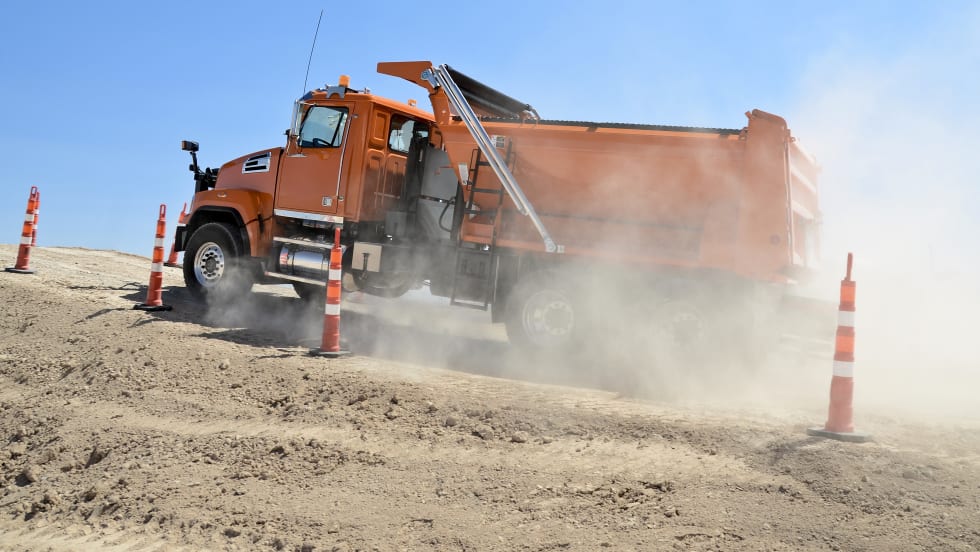
Basic Tracking vs Next Generation Fleet Technology
Fleet software is getting more sophisticated and effective than ever, tying big data models together to transform maintenance, safety, and the value of your existing tech stack. Fleet technology upgrades are undoubtedly an investment, but updated technology can offer a much higher return. Read how upgrading your fleet technology can increase the return on your investment.
Read More →
It’s here: The 2026 Fleet Technology Trends Report
What does AI mean for fleets? Get the answer — and learn other top tech trends.
Read More →
Small Fleets, Big Impact: How Independent Drivers Power Wreaths Across America
Check out how small fleets and independent drivers power Wreaths Across America each December and why their impact matters more than ever.
Read More →
VMS Survey Finds 65% of Small Fleet Managers Run Operations Alone
A new VMS survey shows small fleet managers are stretched thin, with most handling operations solo and eager to adopt digital tools for relief.
Read More →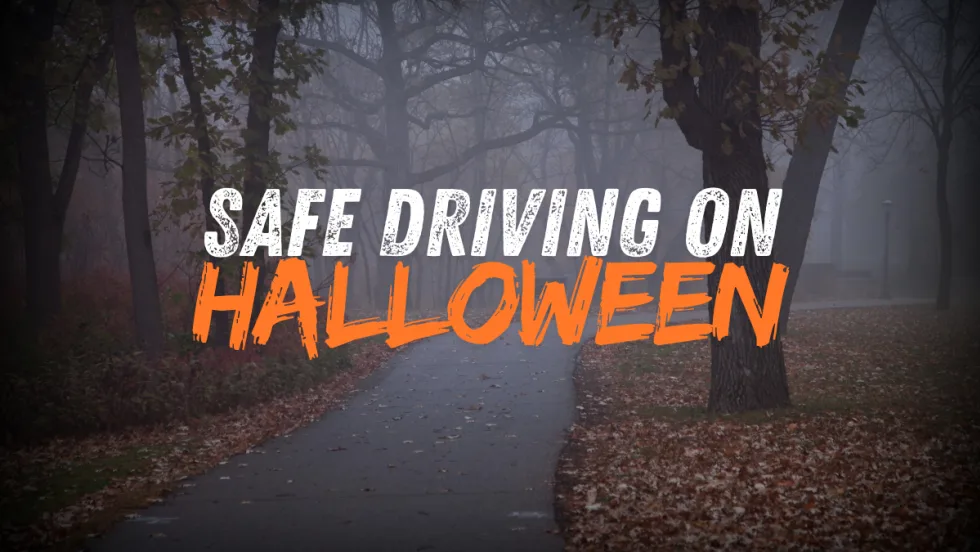
Tips for Driving Safely on Halloween Night
This video features a reminder from the Connecticut Department of Transportation (DOT) and the Connecticut Police Chiefs Association, urging drivers to prioritize safety this Halloween.
Read More →
AI, Access, and Uptime: VMS’s Next Chapter with David Prusinski
VMS’s new Co-CEO, David Prusinski, shares how an AI-first approach will give small fleets and repair shops the tools to compete like big players.
Read More →