




Auto Rollover Ratings Spark Controversy
Government policymakers, auto manufacturers, and consumer advocates all are in a debate over how the U.S. government should expand its criteria for determining vehicle rollover risk. "There is zero consensus on which way to go," Riley Garrott, a research engineer with the National Highway Traffic Safety Administration (NHTSA), told a meeting of scientific experts studying the issue April 13. Beginning next year, Congress wants safety regulators to add road tests in calculating their rollover rankings for single vehicle crashes, a star-rating system now solely based on a calculation of vehicle measurements. NHTSA's math-based rating method measures a vehicle's center of gravity and the width between wheels. Five stars represent the highest rating, while one star is the lowest. Low-riding compact cars and sedans generally score well, but hugely popular sport utility vehicles, which are taller, do not. More than 200,000 rollovers occur in the United States each year, resulting in 10,000 deaths and 27,000 injuries, federal statistics show. More than 60 percent involve SUVs. In an unusual alliance, consumer advocates and automakers agree that the NHTSA standard is inadequate because it does not account for real world driving conditions, but they don't agree on what to do about it. Consumer advocates want specific tests to accompany government measurements, but automakers say developing a recommendation for a single test or a small set of them is proving enormously difficult. Some experts at Friday's meeting wondered whether road tests should include a course that has sharp turns to the left or to the right, lane changes, potholes or strategically placed barriers or curbs, all of which have been major factors in single-vehicle rollover crashes. Others said that subjective and cultural data, like driver error and driver behavior, should be weighed in setting standards. One safety expert asked whether the accident rate for "soccer moms" -- defined by some as stay-at-home suburban mothers who pilot SUVs with high rollover risks -- should be compared with the accident rate for teenage boys driving fast cars that carry low rollover risks. David Pittle, senior vice president of Consumer's Union, the publisher of Consumer Reports, said it was critical that stability ratings include road tests that measure, among other things, steering, tires and handling. "This committee cannot resolve all the scientific uncertainties," Pittle told engineering, transportation and automotive experts assembled by the National Academy of Sciences (NAS) to study the best approach. "The static stability figure alone is relevant, but it's not good enough," Pittle said of the current government criteria on measurements alone. Experts studying the issue for NAS will examine data on what vehicles are involved in rollover crashes. They also will consider options other than road tests. NHTSA says its information is based on reliable data and is accurate.
More Small Fleet

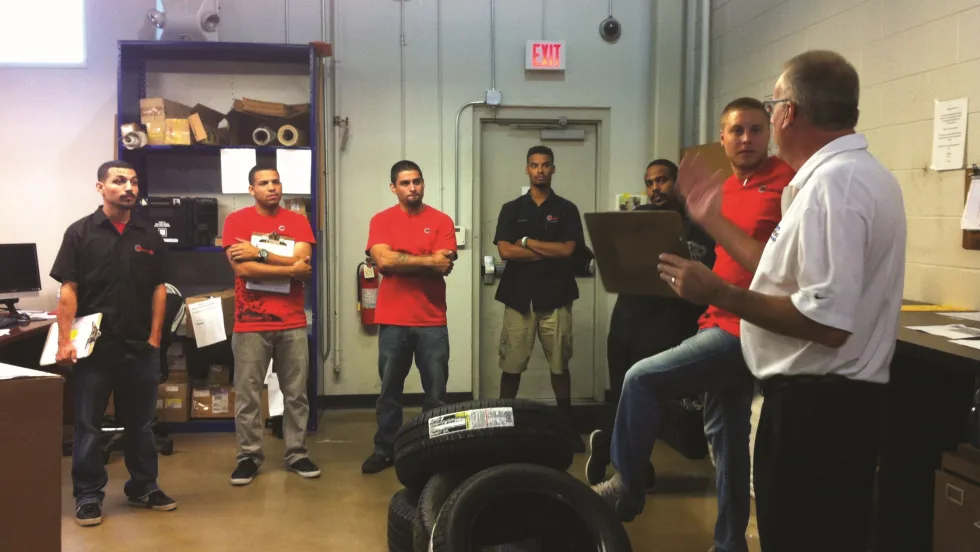
Developing Budget-Friendly Driver Safety Programs
From driver training and safety meetings to one-on-one coaching and incentive programs, several small fleets share how they have developed a safety culture with their drivers using low- to no-cost resources.
Read More →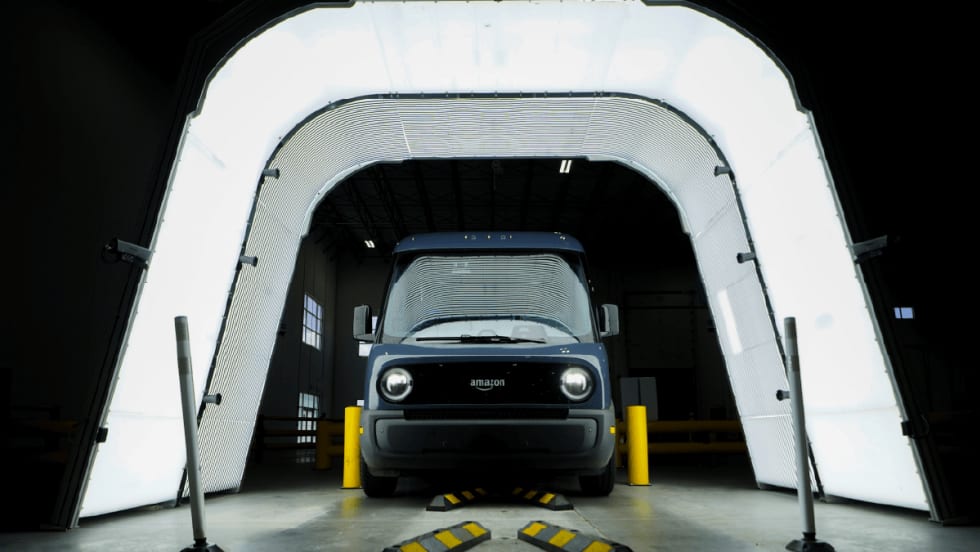
Boosting Last-Mile Fleet Uptime, Safety, and Value with AI Vehicle Inspections
AI-powered inspections are transforming last-mile fleets by replacing manual checks with highly accurate automated scans that detect defects in seconds. By giving fleet operations visibility into the daily condition of their vehicles, you can identify trends over the vehicle’s lifecycle that enable improved procurement decisions, route management, driver training and accountability.
Read More →
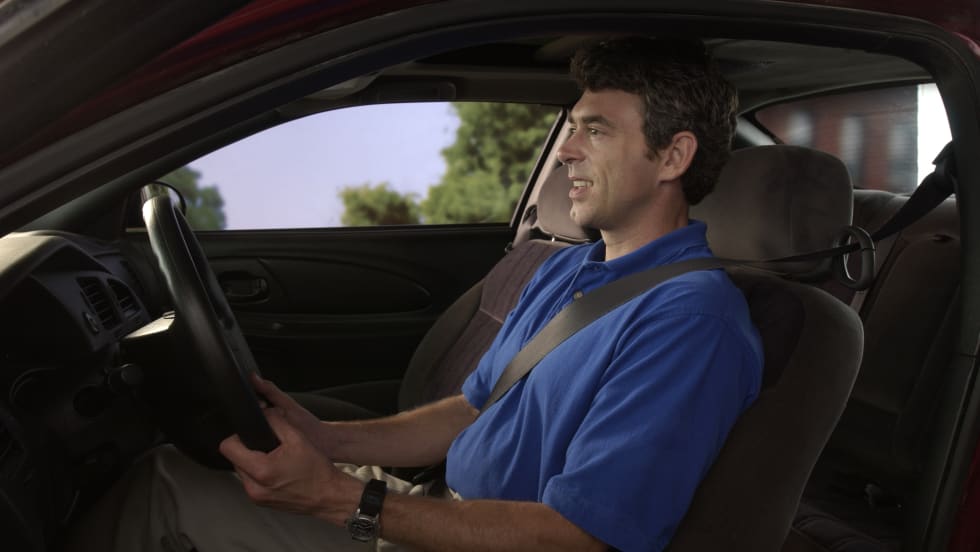
Five Ways Seat Belts Help Prevent Injuries
There are five ways seat belts protect occupants from injuries, according to the Tennessee Department of Safety and Homeland Security.
Read More →
Basic Tracking vs Next Generation Fleet Technology
Fleet software is getting more sophisticated and effective than ever, tying big data models together to transform maintenance, safety, and the value of your existing tech stack. Fleet technology upgrades are undoubtedly an investment, but updated technology can offer a much higher return. Read how upgrading your fleet technology can increase the return on your investment.
Read More →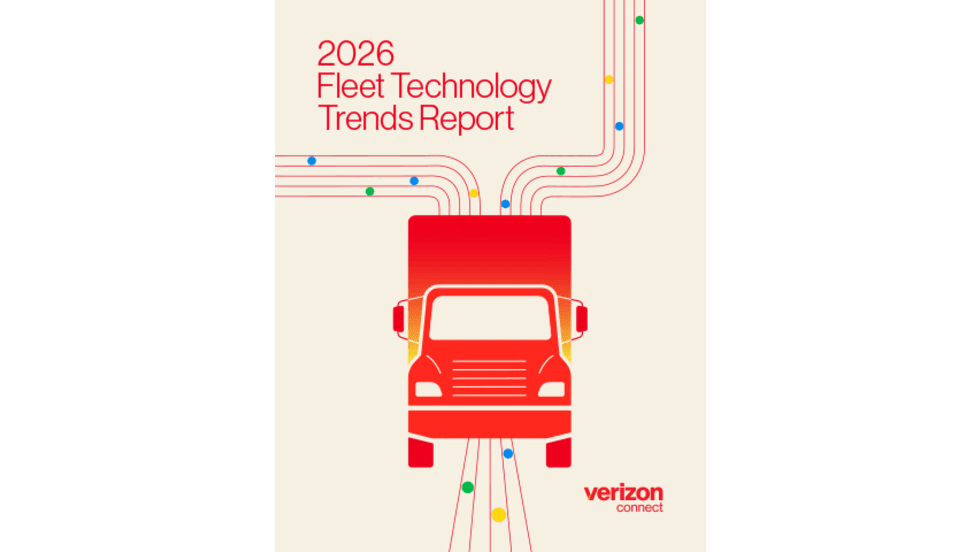
It’s here: The 2026 Fleet Technology Trends Report
What does AI mean for fleets? Get the answer — and learn other top tech trends.
Read More →
Small Fleets, Big Impact: How Independent Drivers Power Wreaths Across America
Check out how small fleets and independent drivers power Wreaths Across America each December and why their impact matters more than ever.
Read More →
VMS Survey Finds 65% of Small Fleet Managers Run Operations Alone
A new VMS survey shows small fleet managers are stretched thin, with most handling operations solo and eager to adopt digital tools for relief.
Read More →
Tips for Driving Safely on Halloween Night
This video features a reminder from the Connecticut Department of Transportation (DOT) and the Connecticut Police Chiefs Association, urging drivers to prioritize safety this Halloween.
Read More →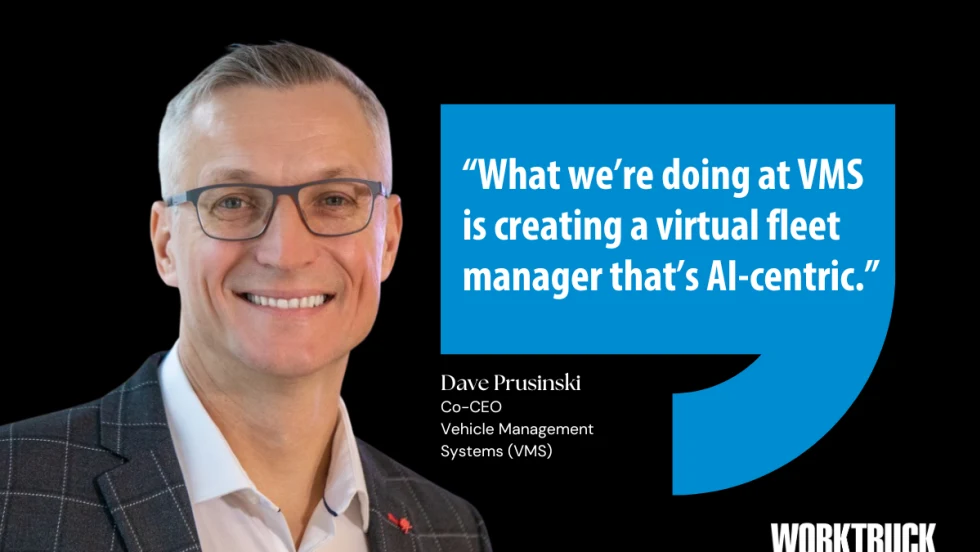
AI, Access, and Uptime: VMS’s Next Chapter with David Prusinski
VMS’s new Co-CEO, David Prusinski, shares how an AI-first approach will give small fleets and repair shops the tools to compete like big players.
Read More →