


 MENU
MENU SEARCHMENUSEARCH
GEICO is deploying Entegral technology to support more efficient claim routing, clearer appointment communications, and more informed repair-provider selection.
Read More →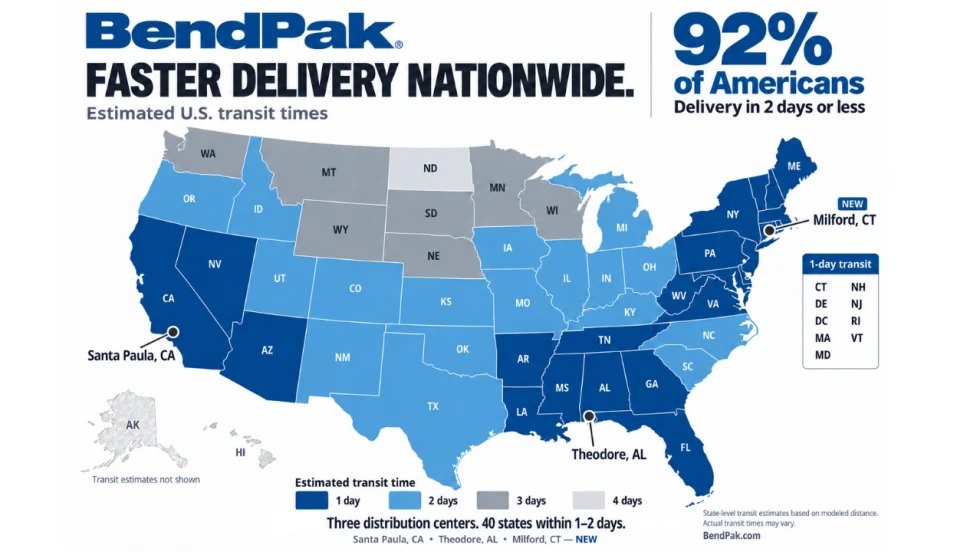
With the opening of a new distribution center in Milford, Connecticut, BendPak has expanded its network to deliver to 92% of Americans in two days or less. The company now operates three distribution centers.
Read More →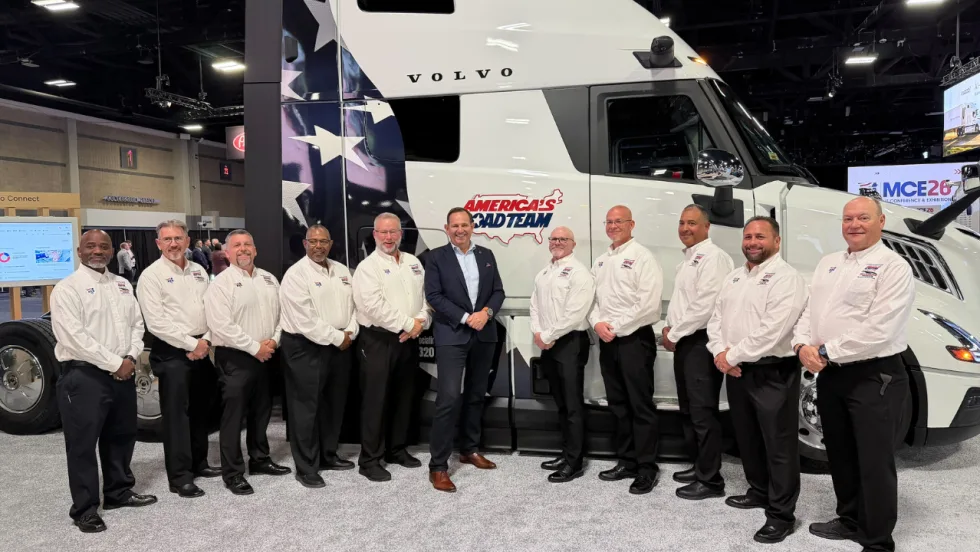
Volvo Trucks North America will serve as the exclusive sponsor of the American Trucking Associations' America's Road Team, marking 25 years of Volvo sponsorship. The group of professional drivers promotes safety and the industry as they travel the country.
Read More →
Achieving the right balance of efficiency, durability, and electrical performance is critical in high-speed electric-vehicle drivetrains. The Society of Tribologists and Lubrication Engineers (STLE) released its new special report about EV lubrication.
Read More →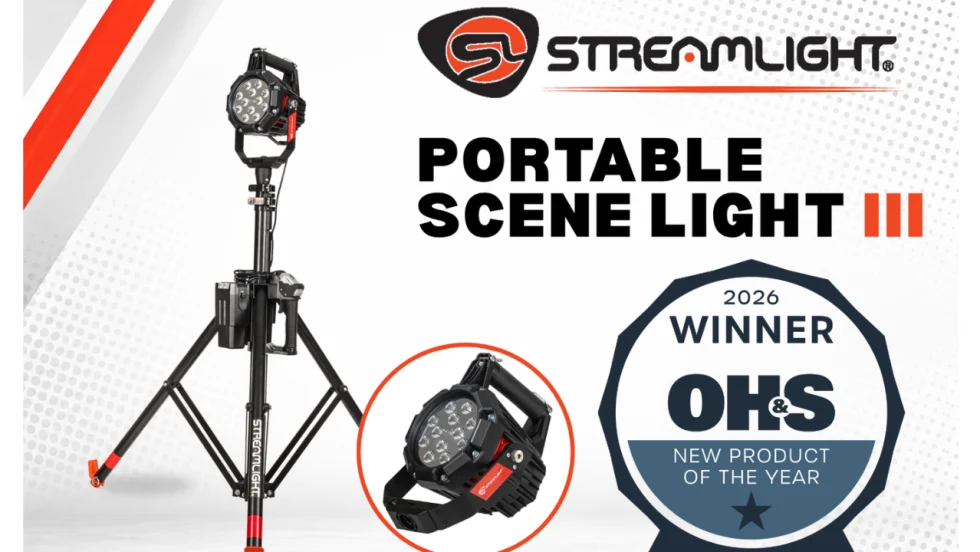
Streamlight’s Portable Scene Light III (PSL III) won the 2026 Occupational Health & Safety (OH&S) New Product of the Year Award in the Lighting category.
Read More →
AP Fleet Management has reached another major rental milestone by significantly surpassing rental unit goals for 2026.
Read More →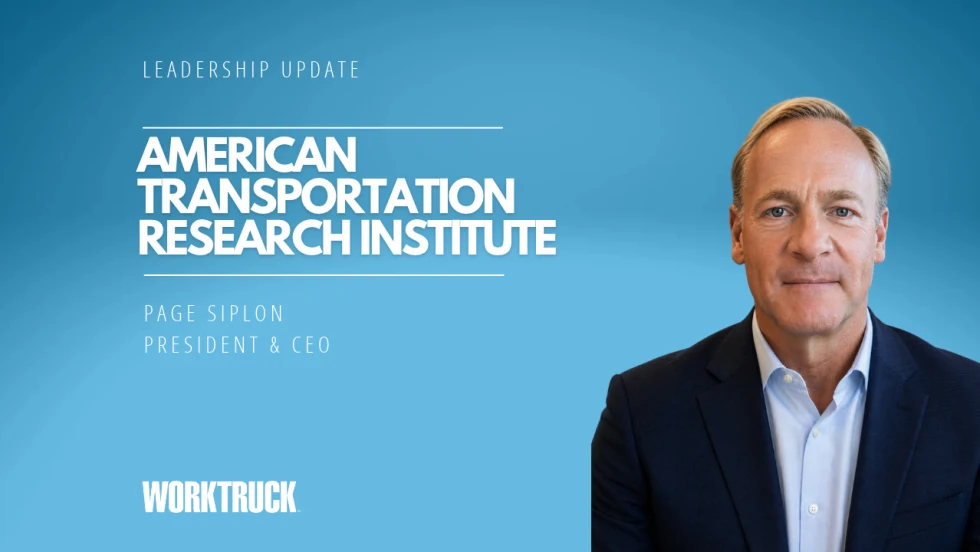
Page Siplon, a longtime transportation and logistics industry executive, has been chosen as the next president and CEO of the American Transportation Research Institute (ATRI).
Read More →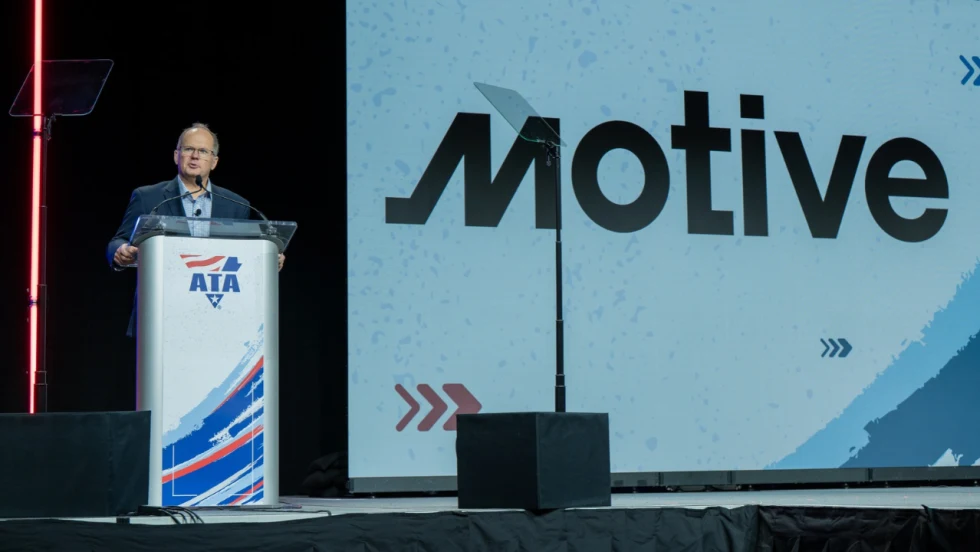
Motive's new AI Agents automate fleet safety, maintenance, compliance, and dispatch tasks. Here's how they work for smaller fleets, what managers control, and what early users are seeing.
Read More →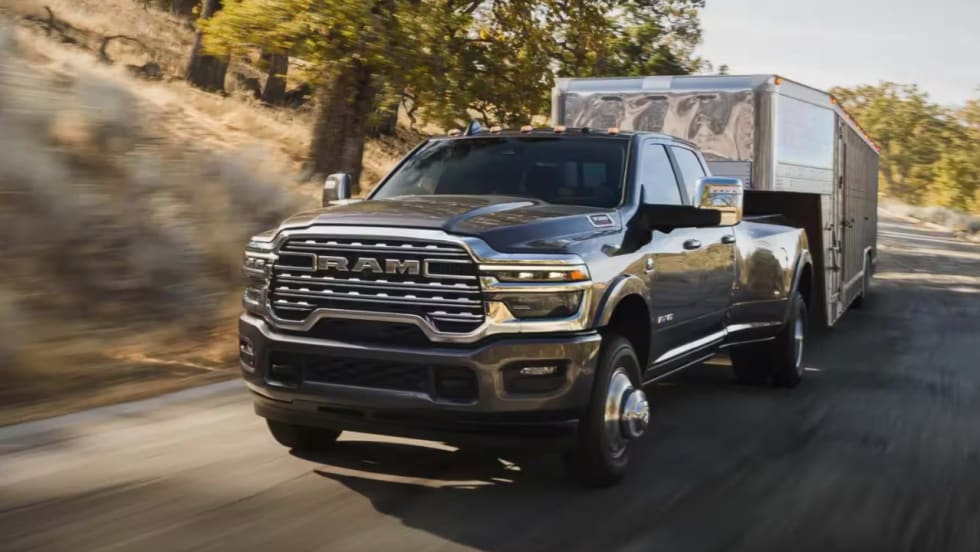
Which pickup trucks are most likely to reach 250,000 miles? The 2026 iSeeCars study ranks 12 long-lasting models, with Ram, Toyota, GMC, and Ford among the leaders.
Read More →
The mobile fleet maintenance provider is supporting the annual college football bowl game, which has helped raise $6.83 million for cancer research since 2015.
Read More →