




Auto Industry Opposes Bill That Would Reduce Carbon Dioxide Emissions in California by 2009
Californians have never been shy about taking to the open road, and the balance between that cherished automotive freedom and environmental stewardship is strong in the nation's largest car market. In a place where the car culture is as embedded as surfing, automakers are watching warily to see if other states will follow California's lead in a mandate to reduce carbon dioxide emissions in cars and light trucks by 2009, according to an Associated Press story by Stephanie Frith. The bill, already approved by the state Legislature, is sitting on the desk of Gov. Gray Davis, who said it's likely he'll sign it. "Most Americans believe that we can have the choice of the auto or truck we want and still do a better job with the cleaning up the environment around us," Davis said during an interview with San Francisco's KGO radio. "I believe this bill strikes the appropriate balance, and that's why I'm strongly inclined to sign it." The bill, if signed, would be the nation's first to target carbon dioxide emissions and the state's strongest push in years to make cars run cleaner. But there is sizable opposition from the automotive industry, which has threatened to go to court to fight it. Automakers claim the carbon dioxide emissions bill will dictate what Californians will be able to drive because there is no existing technology to reduce the carbon dioxide emissions blamed for global warming. That, industry proponents said, means building smaller cars that don't use as much gasoline as SUVs or trucks.
More Small Fleet


Developing Budget-Friendly Driver Safety Programs
From driver training and safety meetings to one-on-one coaching and incentive programs, several small fleets share how they have developed a safety culture with their drivers using low- to no-cost resources.
Read More →
Boosting Last-Mile Fleet Uptime, Safety, and Value with AI Vehicle Inspections
AI-powered inspections are transforming last-mile fleets by replacing manual checks with highly accurate automated scans that detect defects in seconds. By giving fleet operations visibility into the daily condition of their vehicles, you can identify trends over the vehicle’s lifecycle that enable improved procurement decisions, route management, driver training and accountability.
Read More →
Five Ways Seat Belts Help Prevent Injuries
There are five ways seat belts protect occupants from injuries, according to the Tennessee Department of Safety and Homeland Security.
Read More →
It’s here: The 2026 Fleet Technology Trends Report
What does AI mean for fleets? Get the answer — and learn other top tech trends.
Read More →
Small Fleets, Big Impact: How Independent Drivers Power Wreaths Across America
Check out how small fleets and independent drivers power Wreaths Across America each December and why their impact matters more than ever.
Read More →
VMS Survey Finds 65% of Small Fleet Managers Run Operations Alone
A new VMS survey shows small fleet managers are stretched thin, with most handling operations solo and eager to adopt digital tools for relief.
Read More →
Tips for Driving Safely on Halloween Night
This video features a reminder from the Connecticut Department of Transportation (DOT) and the Connecticut Police Chiefs Association, urging drivers to prioritize safety this Halloween.
Read More →
AI, Access, and Uptime: VMS’s Next Chapter with David Prusinski
VMS’s new Co-CEO, David Prusinski, shares how an AI-first approach will give small fleets and repair shops the tools to compete like big players.
Read More →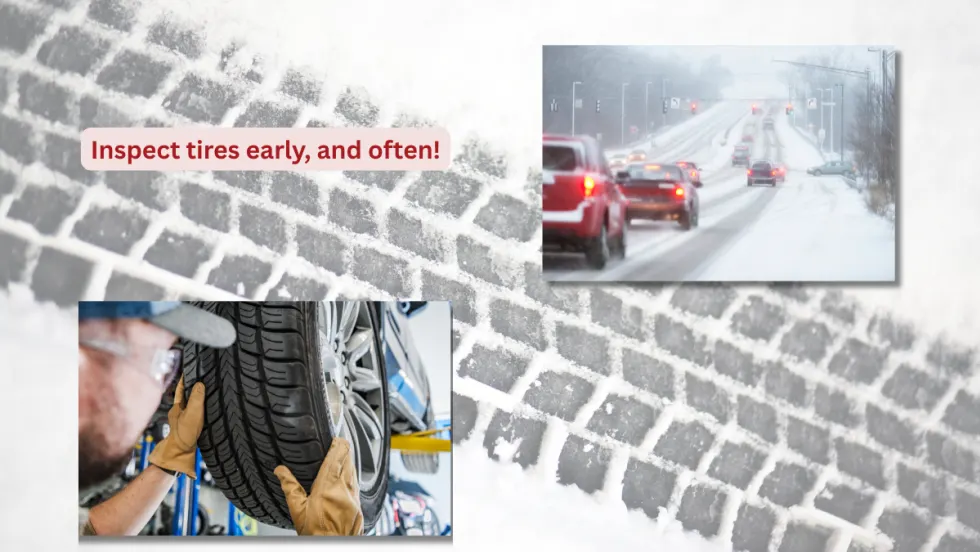
Fleet Managers Share Winter Prep Tips: It's Never Too Early!
Three fleets share best practices to prep vehicles for winter and prevent downtime when the cold sets in.
Read More →