




Auto Club Offers Advice for Owners of Flood-Damaged Automobiles
Runoff from heavy rains or hail that many parts of Los Angeles experienced Nov. 12 can often mean difficult and expensive repairs for owners of flood-damaged vehicles. A car damaged by floodwater should not be started until it is towed to a qualified technician where a thorough inspection and cleaning is performed, the Auto Club warns. "In addition to the obvious damage done to upholstery and carpeting, flood water is a corrosive and abrasive mixture of water and dirt that forces its way into every seam and crevice of an automobile," said Steve Mazor, principal automotive engineer. If the car has been completely or partially submerged, it may be necessary to disassemble all mechanical parts for a thorough cleaning and lubrication. "Most vulnerable are the engine, transmission, differential, and power steering systems," Mazor said. "Unless completely removed, dirt and other contaminants can cause premature wear of vital components and shorten the life of the vehicle." The Auto Club recommends car owners contact their insurance companies to determine the extent of coverage before seeking repairs. Before attempting to start a flood-damaged car, a qualified technician should:
Inspect all mechanical components including the engine, transmission, steering system, axles, and fuel system for water contamination.
Drain floodwater from contaminated systems and flush with clean water or a solvent, as appropriate.
Drain and replace all contaminated fluids, such as oil, transmission fluid and engine coolant.
"The car's electrical system also is vulnerable to the damaging effects of flood water, and water-sensitive components may need to be replaced," Mazor said. "Engine computers, air bag sensors and other electronic devices can sometimes be salvaged, but corrosion and oxidation can occur several weeks after the components are cleaned." There are many parts of the car that are difficult to clean and dry because they are virtually inaccessible. Door locks, window regulators, wiring harnesses, heating and air conditioning components and many small devices are tucked away in hidden spaces. These items may fail at a later date because of contamination by dirty water. "Total restoration of a flood-damaged car can be as extensive and expensive as restoring a classic," Mazor warned. "Compare the value of the vehicle to be restored to the cost of restoration before proceeding with flood-related repairs." Car buyers throughout the region should be aware that flood damaged vehicles can be shipped anywhere for resale and could be in the marketplace for many months. Having a vehicle inspected by a qualified technician and checking its title history should help determine whether it sustained flood damage. A telltale sign of flood damage on new and used cars is the presence of dried mud on components under the hood. A damp or musty odor in the trunk or interior is another warning sign. In older cars, new carpet and upholstery may indicate flood damage.
More Small Fleet


Developing Budget-Friendly Driver Safety Programs
From driver training and safety meetings to one-on-one coaching and incentive programs, several small fleets share how they have developed a safety culture with their drivers using low- to no-cost resources.
Read More →
Boosting Last-Mile Fleet Uptime, Safety, and Value with AI Vehicle Inspections
AI-powered inspections are transforming last-mile fleets by replacing manual checks with highly accurate automated scans that detect defects in seconds. By giving fleet operations visibility into the daily condition of their vehicles, you can identify trends over the vehicle’s lifecycle that enable improved procurement decisions, route management, driver training and accountability.
Read More →
Five Ways Seat Belts Help Prevent Injuries
There are five ways seat belts protect occupants from injuries, according to the Tennessee Department of Safety and Homeland Security.
Read More →
It’s here: The 2026 Fleet Technology Trends Report
What does AI mean for fleets? Get the answer — and learn other top tech trends.
Read More →
Small Fleets, Big Impact: How Independent Drivers Power Wreaths Across America
Check out how small fleets and independent drivers power Wreaths Across America each December and why their impact matters more than ever.
Read More →
VMS Survey Finds 65% of Small Fleet Managers Run Operations Alone
A new VMS survey shows small fleet managers are stretched thin, with most handling operations solo and eager to adopt digital tools for relief.
Read More →
Tips for Driving Safely on Halloween Night
This video features a reminder from the Connecticut Department of Transportation (DOT) and the Connecticut Police Chiefs Association, urging drivers to prioritize safety this Halloween.
Read More →
AI, Access, and Uptime: VMS’s Next Chapter with David Prusinski
VMS’s new Co-CEO, David Prusinski, shares how an AI-first approach will give small fleets and repair shops the tools to compete like big players.
Read More →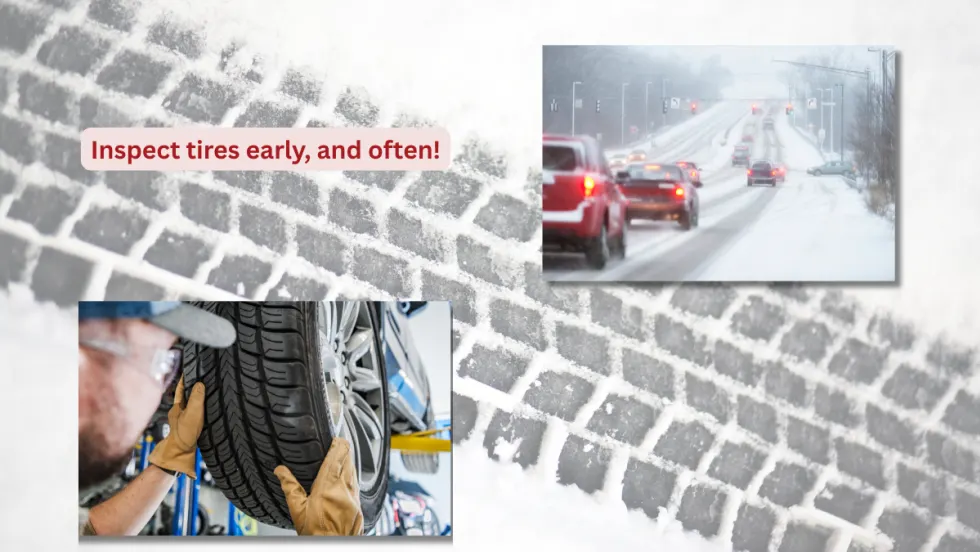
Fleet Managers Share Winter Prep Tips: It's Never Too Early!
Three fleets share best practices to prep vehicles for winter and prevent downtime when the cold sets in.
Read More →