




Austin-Based Company Chooses Propane Autogas for Fleet
LIVONIA, MI - ROUSH CleanTech welcomes Austin Gutter King to the growing number of businesses making the commitment in 2011 to power up their fleets with a clean alternative to imported fuel.
LIVONIA, MI - ROUSH CleanTech welcomes Austin Gutter King to the growing number of businesses making the commitment in 2011 to power up their fleets with a clean alternative to imported fuel. With the purchase of four ROUSH CleanTech Ford vehicles, Austin Gutter King has converted 25 percent of its service fleet to propane autogas.
The addition of three Ford F-150 pickups and one fully customized Ford E-350 cutaway van, all fueled by propane autogas, adds corporate sustainability to the company's portfolio.
"I put a lot of time and thought into evaluating other fuels," said Gary Kulp, president of Austin Gutter King. "For example, I found that natural gas was difficult to locate and the tanks were too large for it to be efficient for my needs. Propane autogas stood out as a responsible fuel, sourced in America - specifically in Texas - that could take my company to the next level of protecting our environment while securing our bottom line."
Thousands of propane autogas fueling stations across the U.S. and dozens near Austin Gutter King's shop in Austin, Texas, make the fuel readily available. In addition, low-cost propane refueling infrastructure may be set up on-site to eliminate the need for refueling trips.
"There are many propane fueling stations near our shop," said Kulp. "Outside the city they are spaced out about every 20 miles. This area is a prime location for seeing propane autogas perform at maximum efficiency."
"We are thrilled to add yet another leading service-oriented business to our customer base," said Todd Mouw, ROUSH CleanTech's vice president of sales and marketing. "Austin Gutter King's decision to institute our clean innovations is just one more example of how attractive propane autogas is to companies looking to reduce their carbon footprint and save money without compromising quality or performance."
Propane autogas burns cleaner in engines, resulting in longer engine life, reduced maintenance costs, with 60 percent less carbon monoxide, up to 24 percent less greenhouse gas emissions, and fewer particulate emissions when compared to gasoline. Additionally, propane autogas is a proven cost-effective, safe and highly reliable alternative fuel, with 90 percent of U.S. propane supplies produced domestically.
"We use wind to power the shop, rainwater to wash the fleet vehicles and we recycle extensively. The next logical step was to green up our fleet," said Kulp.
More Green Fleet

Fleet Forward Conference Introduces One-Day Passes for 2026
New one-day registration gives fleet professionals the flexibility to attend Tuesday, Wednesday, or Thursday, with passes available for $199 through Sept. 18.
Read More →
CALSTART Rebrands as Catalyst Mobility, Will Combine with Forth in 2027
CALSTART has rebranded as Catalyst Mobility and will combine with Forth at the start of 2027. The new organization said it is poised to become one of the world's largest, strongest, and most impactful clean transportation nonprofits.
Read More →
Electric Truck and Charging Programs to Boost Sustainability at NY & NJ Ports
Together, the Port Authority of New York and New Jersey and CALSTART will electrify drayage and terminal operations serving the East Coast’s busiest container port. A pair of incentive programs totaling $45 million has launched to accelerate adoption of zero-emission drayage trucks and terminal tractors.
Read More →
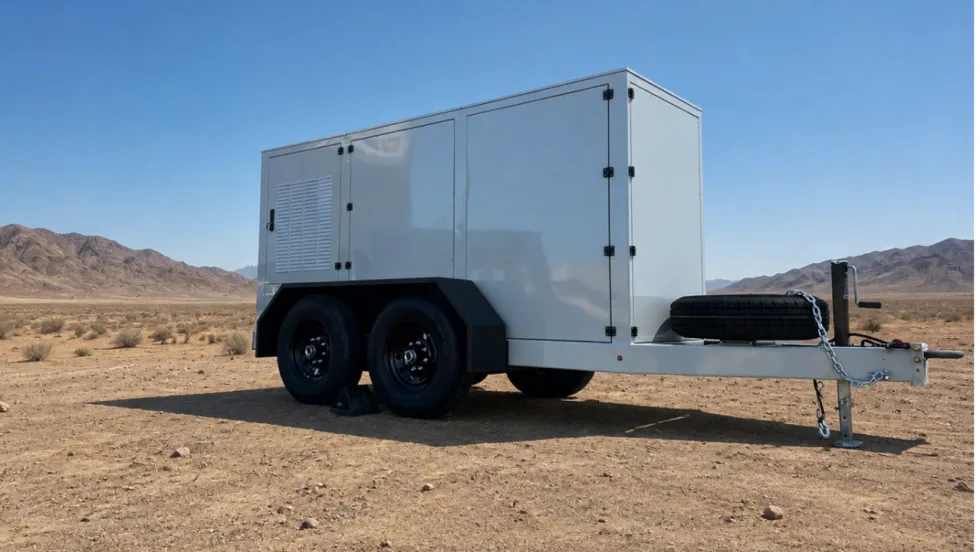
Xos Hub Surpasses One Gigawatt-Hour of Energy Delivered in the Field
A single Xos Hub has surpassed one gigawatt-hour of energy across more than 33,600 charging sessions in the field, demonstrating performance that supports Xos' expansion across new products and markets.
Read More →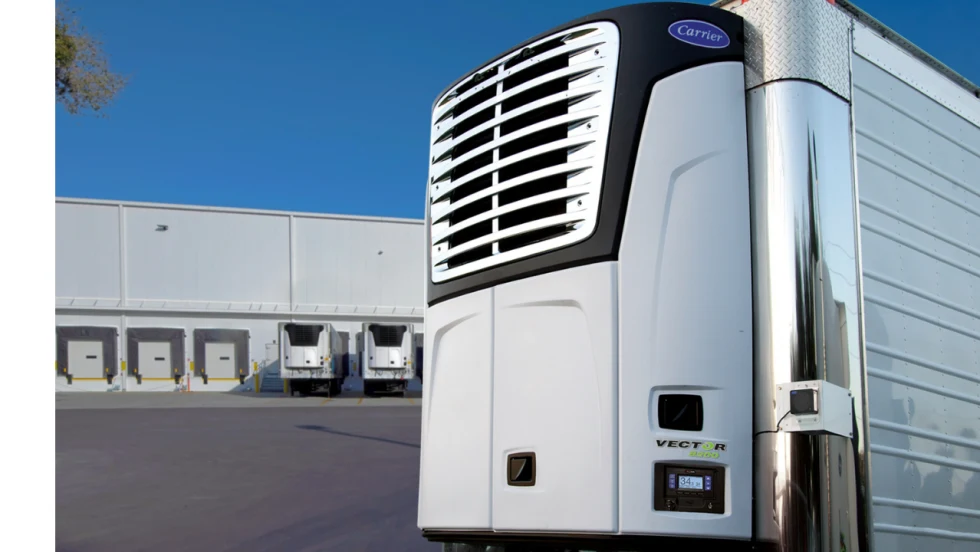
Carrier Transicold Launches All-Electric Vector 8200 TRU for Diesel-Free On-Site Cold Storage
Carrier Transicold’s first engineless multi-temperature TRU helps fresh- and frozen-food fleets add supplemental cold storage capacity during seasonal peaks.
Read More →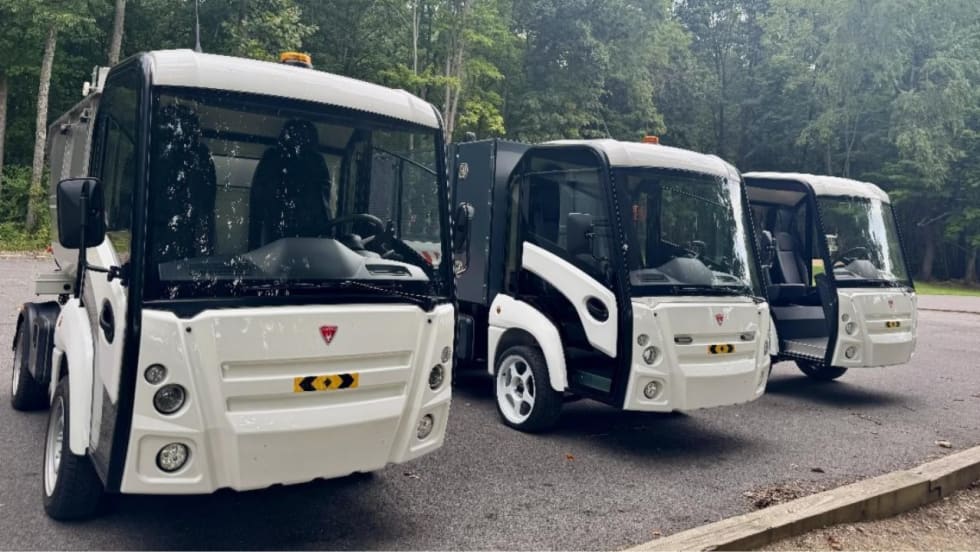
Narro Trucks Introduces Electric Utility Vehicle
Narro Trucks officially launched its operations on Aug. 20 and hosted a ride and drive to showcase its electric truck, which will be produced in Virginia.
Read More →
Samsung SDI Takes Full Control of GM Battery JV as Indiana Plant Pivots to Energy Storage
Samsung SDI is taking full control of its Indiana battery plant with GM, marking a major shift from the EV-focused joint venture Charged Fleet first covered in 2023.
Read More →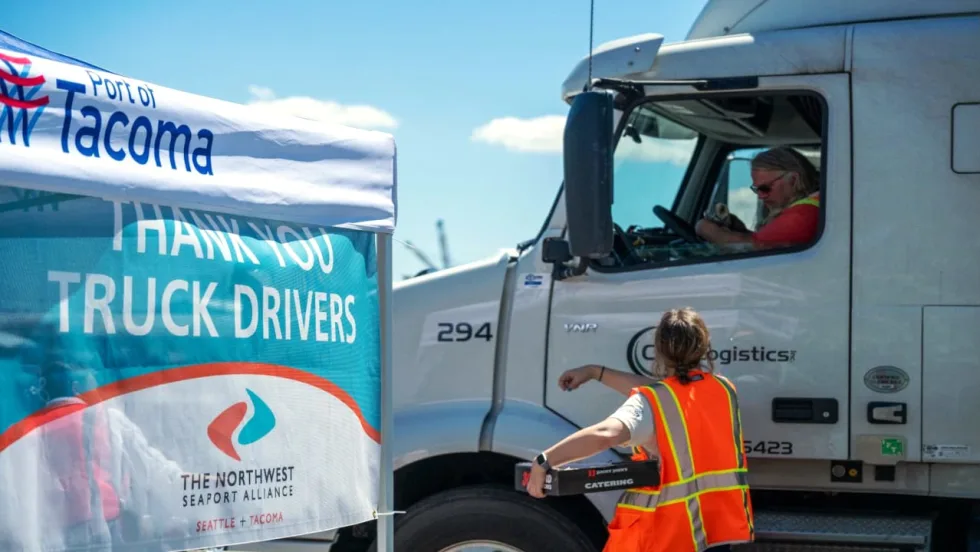
NWSA Taps CALSTART to Administer Zero-Emission Drayage Assistance Program
CALSTART will provide free technical assistance services to drayage fleets serving the Ports of Seattle and Tacoma and looking to transition to cleaner technologies and help decarbonize freight hubs.
Read More →
EV Fleet Reality Check: What Operators Wish They Knew Before Electrifying Their Work Vans
Electric work truck upfits bring new compatibility questions. Learn how parts availability, OEM guidance, power demands, and route planning can affect fleet performance.
Read More →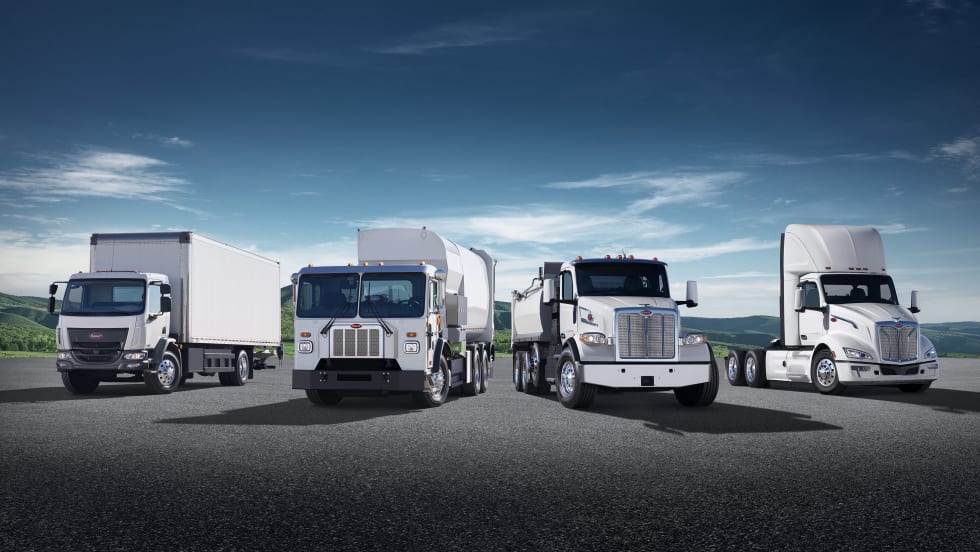
Peterbilt Expands Sourcewell Partnership with Electric Vehicle Lineup
Peterbilt Motors Company’s cooperative purchasing agreement with Sourcewell and its Canadian partner, Canoe Procurement Group, now includes including Peterbilt's battery-electric vehicle lineup.
Read More →