





ASE Drops Prerequisite for L4 ADAS Specialist Certification Test
ASE to Retire Five Certification Tests by End of 2025
ASE will discontinue five certification tests, including truck equipment and exhaust, by Dec. 31, 2025. Here’s what fleets and technicians need to know.
August 6, 2025
ASE will retire five certification tests by the end of 2025, including key exams covering truck equipment, electronics, and exhaust systems.
Photo: Work Truck | ASE
2 min to read
The National Institute for Automotive Service Excellence (ASE) is retiring five of its certification and recertification tests on December 31, 2025.
The following tests will be discontinued:
E1: Truck Equipment Installation and Repair
E2: Electrical/Electronic Systems Installation and Repair
E3: Auxiliary Power Systems Installation and Repair
P4: General Motors Parts Consultant
X1: Undercar Specialist Exhaust Systems
Once the clock strikes midnight on New Year’s Eve, these tests will officially be off the table, both for first-time certifications and recertifications.
“Those individuals who want to be certified or recertified in these test areas should act now and definitely no later than Dec. 31,” said Matt Shepanek, vice president of credential testing programs at ASE. “ASE is constantly being asked by industry partners to create new credential tests. By retiring some of the lower volume tests, we can free up resources to work on some of these new requests.”
ASE noted that the decision follows a review of test volume, industry demand, and future priorities. With technology in fleet vehicles and work trucks moving at full speed, especially when it comes to electrification, safety, and advanced driver-assistance systems, ASE is aiming to keep its offerings fresh, relevant, and focused on today’s technician needs.
“Along with transportation industry leaders, we continuously evaluate the need for new and existing certifications to best serve consumers and the industry,” said Dave Johnson, ASE president and CEO. “We’re also in the process of updating some of our core automotive tests and will be introducing new certifications focused on advanced vehicle safety and security systems.”
For more than 50 years, ASE has served as a trusted, independent credentialing body for automotive professionals, including those working in fleet operations, truck equipment, and repair shops across the U.S. ASE certification is recognized throughout the industry as a gold standard for technical knowledge and professionalism. That blue seal still carries a lot of weight.
Bottom line? If one of these five test areas applies to your role or shop, don’t wait until the last minute to register. You’ve got until December 31, 2025, to lock it in.
More info: www.ase.com
More Maintenance
Les Schwab Expands Commercial Tire Footprint Into Arizona
Les Schwab Tires has expanded into Arizona with two commercial tire locations in Phoenix and Tucson, strengthening its fleet service footprint in the Southwest.
Read More →
Volvo Trucks’ 'Lock and Leave' Software Updates Go Live Across North America
Unattended over-the-air software updates are now available in Volvo trucks across the U.S. and Canada. The new capability lets trucks stay current with the latest software without interrupting operations or requiring a dealership visit.
Read More →
Why Technician Appreciation Can’t Be a Once-a-Year Thought
For fleets trying to keep skilled technicians, recognition cannot begin and end with Technician Appreciation Week. Learn what year-round appreciation really looks like and why the everyday technician experience matters just as much as pay when fleets are trying to keep good people.
Read More →
How Faster Driver Reporting Can Keep Small Truck Problems Small
When minor damage, warning lights, or equipment issues are reported late, small problems can quickly become bigger maintenance headaches. Conversational AI can help shorten the path from what a driver notices in the field to the person who can act on it.
Read More →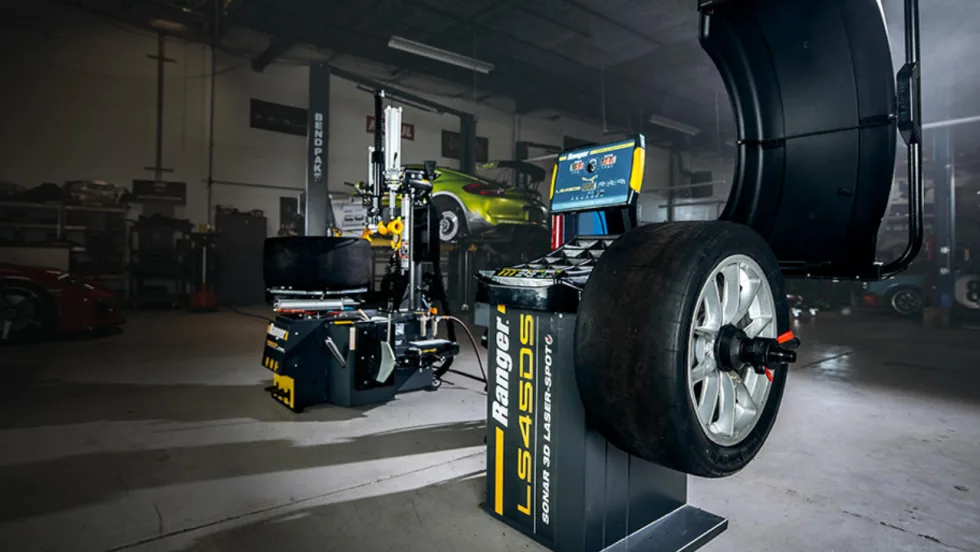
BendPak’s Ranger Wheel Service Equipment Achieves North American Safety Certification
BendPak’s full line of Ranger tire changers and wheel balancers has been ETL certified to UL and CSA standards to improve operator safety.
Read More →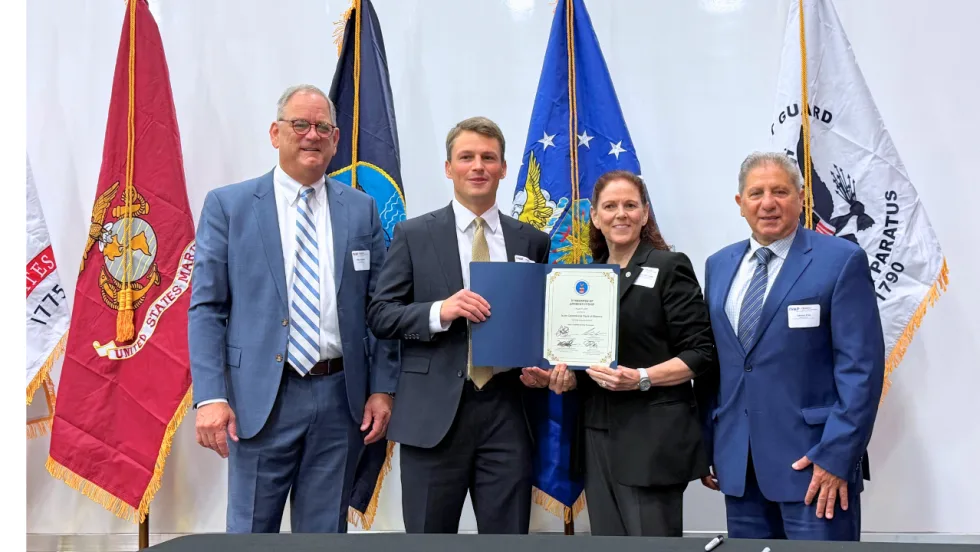
Isuzu & U.S. Department of Labor Celebrate Milestone for Veterans Apprenticeship Program
The Isuzu Veterans Apprenticeship Program (IVAP) signing ceremony highlighted Isuzu’s long-term commitment to veterans, Isuzu dealers, and the skilled workforce supporting its customers and the commercial transportation industry.
Read More →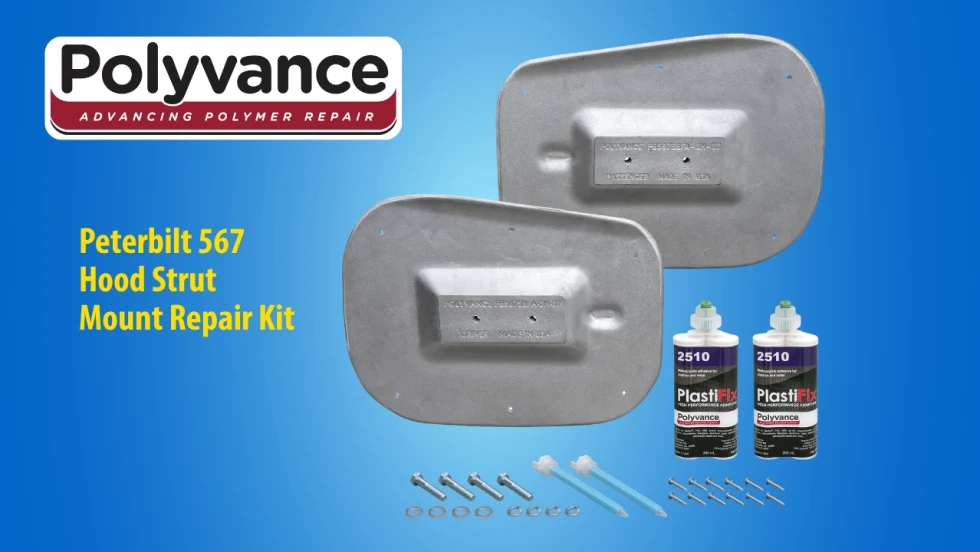
Polyvance Introduces New Peterbilt 567 Hood Strut Mount Repair Kit
Polyvance has launched a repair solution for Peterbilt 567 hood struts, helping truck owners and repair facilities avoid costly hood replacements.
Read More →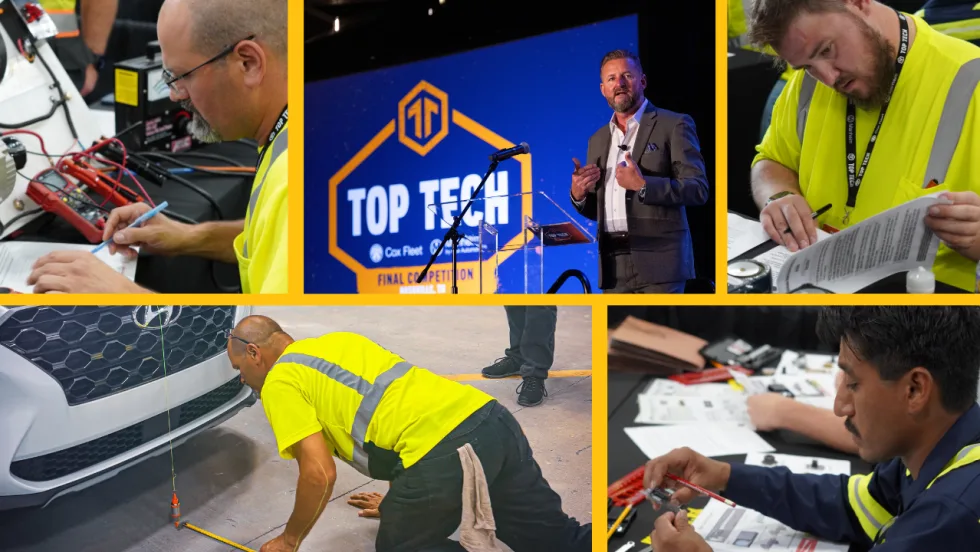
Cox Automotive Celebrates Technical Excellence at 2026 Top Tech Finals
The top technicians from Cox Fleet and Manheim tested their skills in Nashville, Tennessee, at Cox Automotive’s 2026 Top Tech Finals. The overall winners will advance to compete at the American Trucking Association’s TMC SuperTech competition.
Read More →
Grote Industries Appoints Vice President of North American Operations
Grote Industries has appointed Patrick Smith as vice president of North American operations as it celebrates 125 years of innovation and manufacturing excellence. He has more than 20 years of manufacturing leadership experience.
Read More →
Winter Fleet Prep: Expert Tips to Keep Vehicles Running Smoothly
Cold weather can expose weak batteries, tires, fuel systems, and maintenance gaps fast. Use this winter fleet checklist to prepare trucks and drivers before temperatures drop.
Read More →