




American Honda Recalls Vehicles to Replace Ignition Switches
American Honda Motor Co., Inc. announced May 23 a voluntary recall of certain Honda and Acura models to replace an ignition switch which may cause the engine to stall. The recall involves about 1.3 million of certain 1997 to 2000 models of the Honda Accord, Civic, Prelude, CR-V and Odyssey. Also included in the recall are some 1999 Acura TL sedans and certain 1997 to 1999 CL coupes. According to Honda, the situation is created by electrical contacts within the ignition switch that wear prematurely causing the switch to malfunction. An affected vehicle will likely experience difficulty in starting for a period of time prior to experiencing any engine stall. Normally, the vehicle can be restarted immediately. The company said most customers will not experience problems with their ignition switch prior to repair -- less than 3/10ths of one percent of affected vehicles have experienced switch problems. Owners of affected vehicles will be contacted by American Honda and asked to take their vehicle to an authorized dealer to be repaired free of charge. The repair involves the replacement of the electrical contact portion of the ignition switch while retaining the original lock and key assemblies. Owners will be notified by mail when parts are available for their model. Because of the large number of vehicles involved, it may take several months to make the replacement parts available for all vehicles. Mailings will begin in June and should be completed by September. Details regarding mailing dates and affected vehicles will be available on the Honda and Acura Web sites starting today. Owners will be able to access this information by registering at the "Owner Link" section of www.honda.com or www.acura.com and entering the 17-digit vehicle identification number found on their dash. Customers may also contact their Honda or Acura dealer with questions. According to the company, there have been no accidents or injuries reported to American Honda related to this issue.
More Small Fleet


Developing Budget-Friendly Driver Safety Programs
From driver training and safety meetings to one-on-one coaching and incentive programs, several small fleets share how they have developed a safety culture with their drivers using low- to no-cost resources.
Read More →
Boosting Last-Mile Fleet Uptime, Safety, and Value with AI Vehicle Inspections
AI-powered inspections are transforming last-mile fleets by replacing manual checks with highly accurate automated scans that detect defects in seconds. By giving fleet operations visibility into the daily condition of their vehicles, you can identify trends over the vehicle’s lifecycle that enable improved procurement decisions, route management, driver training and accountability.
Read More →

Five Ways Seat Belts Help Prevent Injuries
There are five ways seat belts protect occupants from injuries, according to the Tennessee Department of Safety and Homeland Security.
Read More →
Basic Tracking vs Next Generation Fleet Technology
Fleet software is getting more sophisticated and effective than ever, tying big data models together to transform maintenance, safety, and the value of your existing tech stack. Fleet technology upgrades are undoubtedly an investment, but updated technology can offer a much higher return. Read how upgrading your fleet technology can increase the return on your investment.
Read More →
It’s here: The 2026 Fleet Technology Trends Report
What does AI mean for fleets? Get the answer — and learn other top tech trends.
Read More →
Small Fleets, Big Impact: How Independent Drivers Power Wreaths Across America
Check out how small fleets and independent drivers power Wreaths Across America each December and why their impact matters more than ever.
Read More →
VMS Survey Finds 65% of Small Fleet Managers Run Operations Alone
A new VMS survey shows small fleet managers are stretched thin, with most handling operations solo and eager to adopt digital tools for relief.
Read More →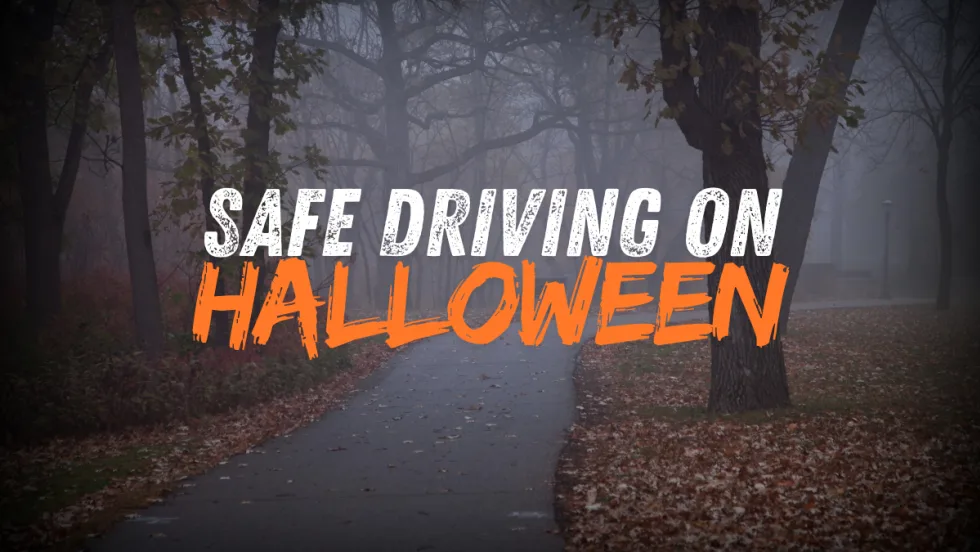
Tips for Driving Safely on Halloween Night
This video features a reminder from the Connecticut Department of Transportation (DOT) and the Connecticut Police Chiefs Association, urging drivers to prioritize safety this Halloween.
Read More →
AI, Access, and Uptime: VMS’s Next Chapter with David Prusinski
VMS’s new Co-CEO, David Prusinski, shares how an AI-first approach will give small fleets and repair shops the tools to compete like big players.
Read More →