





Related: AAA Test: Active Safety Systems Experienced Issues Every 8 Miles
ADAS Exaggerates Automated Driving Capabilities to Users
According to AAA, motorists using active driving assistance systems (ADAS), which combine vehicle acceleration with braking and steering, tend to overlook safety limitations on vehicles that suggest an “automated” driving experience.
September 10, 2020
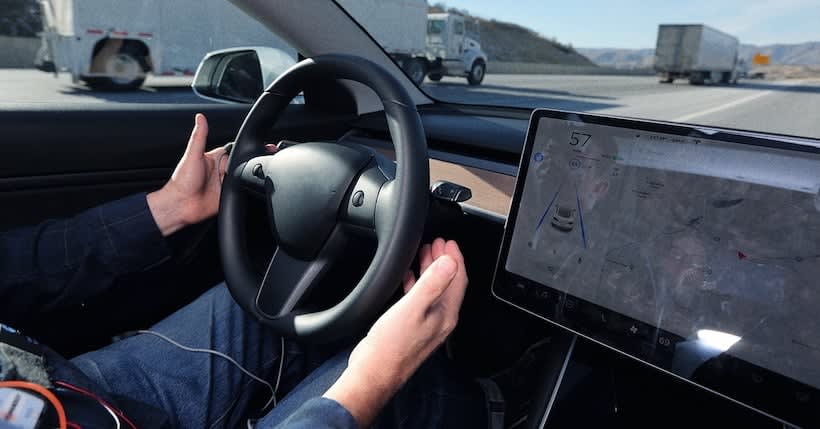
Researchers found that information that stresses convenience and capabilities while minimizing limitations can inflate expectations regarding what the system can do and the situations that it can handle.
Photo: AAA
3 min to read
Motorists using active driving assistance systems, which combine vehicle acceleration with braking and steering, tend to overlook safety limitations on vehicles that suggest an “automated” driving experience, according to new research from the AAA Foundation for Traffic Safety.
Researchers found that information that stresses convenience and capabilities while minimizing limitations can inflate expectations regarding what the system can do and the situations that it can handle. AAA warns that a false sense of system capabilities created by marketing campaigns can lead to dangerous scenarios on the road.
“Based on data collected from our research, subtle differences in tone and emphasis significantly influenced people’s understanding of the technology and their expectations of its capability,” said Dr. David Yang, executive director of the AAA Foundation for Traffic Safety. “These systems assist the driver and take some of the stress out of driving, but they don’t eliminate the need for drivers to pay attention.”
In this latest AAA Foundation study, 90 research participants received a brief overview of an active driving assistance system with a realistic but fictitious name.
Before driving the same vehicle, half of the participants were told their system was called “AutonoDrive” and were given an upbeat training that emphasized the system’s capabilities and driver convenience. The other half of the participants were told their system was named “DriveAssist,” and their training placed greater emphasis on the system’s limitations and driver responsibility. Participants trained on AutonoDrive came away with greater confidence — and in some cases, overconfidence — in the system. After completing the training and driving the test vehicle, 42% of the participants using AutonoDrive, said its name made the system sound more capable than it is, while only 11% of DriveAssist users felt the same.
A majority of drivers in the study trained on AutonoDrive (65%) said that the system would make them feel more comfortable eating while driving, compared to 27% using DriveAssist. Also, 45% of the drivers using AutonoDrive said the driving system would make them feel more comfortable using a handheld cell phone, compared to 13% using DriveAssist.
Potential consumer misunderstandings of new vehicle technology need to be addressed.
In a previous survey, 40% of Americans told AAA they expect active driving assistance systems, with names like Autopilot and ProPILOT, to have the ability to drive the car by itself. AAA recommends that automakers provide consumers information that is not only technically accurate but also balanced in terms of setting expectations that match what consumers will ultimately experience on the road. For consumers, there must be an emphasis on driver engagement and understanding the limitations of these technologies. Car dealers have a responsibility to educate car buyers on these technologies, but not to oversell a vehicle’s bells and whistles.
“Automakers are in the business of selling vehicles. Understandably, they will emphasize convenience and system capabilities in their marketing campaigns. But, their marketing campaigns, materials and consumer information should not mislead motorists,” said Jake Nelson, AAA director of traffic safety advocacy and research. “Words matter. We can do better by taking care to be more realistic in setting expectations for consumers such that the sale of a new vehicle does not come at the expense of safety.”
Originally posted on Automotive Fleet
More Small Fleet


Developing Budget-Friendly Driver Safety Programs
From driver training and safety meetings to one-on-one coaching and incentive programs, several small fleets share how they have developed a safety culture with their drivers using low- to no-cost resources.
Read More →
Sponsored•March 9, 2026
Boosting Last-Mile Fleet Uptime, Safety, and Value with AI Vehicle Inspections
AI-powered inspections are transforming last-mile fleets by replacing manual checks with highly accurate automated scans that detect defects in seconds. By giving fleet operations visibility into the daily condition of their vehicles, you can identify trends over the vehicle’s lifecycle that enable improved procurement decisions, route management, driver training and accountability.
Read More →
Five Ways Seat Belts Help Prevent Injuries
There are five ways seat belts protect occupants from injuries, according to the Tennessee Department of Safety and Homeland Security.
Read More →
Sponsored•January 14, 2026
It’s here: The 2026 Fleet Technology Trends Report
What does AI mean for fleets? Get the answer — and learn other top tech trends.
Read More →
Small Fleets, Big Impact: How Independent Drivers Power Wreaths Across America
Check out how small fleets and independent drivers power Wreaths Across America each December and why their impact matters more than ever.
Read More →
VMS Survey Finds 65% of Small Fleet Managers Run Operations Alone
A new VMS survey shows small fleet managers are stretched thin, with most handling operations solo and eager to adopt digital tools for relief.
Read More →
Tips for Driving Safely on Halloween Night
This video features a reminder from the Connecticut Department of Transportation (DOT) and the Connecticut Police Chiefs Association, urging drivers to prioritize safety this Halloween.
Read More →
AI, Access, and Uptime: VMS’s Next Chapter with David Prusinski
VMS’s new Co-CEO, David Prusinski, shares how an AI-first approach will give small fleets and repair shops the tools to compete like big players.
Read More →
Fleet Managers Share Winter Prep Tips: It's Never Too Early!
Three fleets share best practices to prep vehicles for winter and prevent downtime when the cold sets in.
Read More →