




6 Tips to Help Avoid Winter Breakdowns
Did you know a battery can lose about one third of its power at 32 F, and more at lower temperatures.
With temperatures dropping across the nation, drivers should prepare their vehicles for winter commutes and holiday road trips. Jiffy Lube offers these car-care tips for motorists to help them steer clear of roadside breakdowns and costly repairs. Fluids: Motor oil reduces friction between your engine’s moving parts and removes harmful dirt and contaminants. Generally, use the lightest grade of oil your vehicle’s manufacturer recommends for the conditions in which you drive. In winter, this may mean an even lighter grade than usual. Antifreeze and coolant can help keep the engine from freezing. Check your vehicle owner’s manual for time and mileage recommendations for when it should be replaced, along with those for differential fluid and transmission fluid. Engine Air Filter: This filter cleans the air the engine mixes and combusts with fuel. A filter clogged with dirt and debris can make the engine strain to pull clean air into the cylinders, which can reduce fuel economy. Inspect and change the air filter according to your vehicle manufacturer’s recommendations. Battery: A weak battery is less reliable and can take longer to start your car on cold mornings. It can lose about one third of its power at 32 F and more at lower temperatures. Have the battery tested to ensure it has ample power to withstand the cold. Start the car with the heater, lights and window defrosters turned off in order to minimize battery strain. Tires: Make sure tires are properly inflated and have adequate tread depth for good traction on icy roads. Properly inflated tires cushion the impact of potholes on wheel rims and lessen the chance of wheel alignment damage from potholes. Correct tire pressure information is found on a decal typically in the vehicle’s door jamb or in the vehicle owner’s manual – not on the tire itself. Windshield Wiper Blades and Washer Fluid: Normal life expectancy for many windshield wiper blades is six to 12 months. They should glide smoothly across the windshield without leaving streaks or blind spots. Pits on the edge touching the glass means it’s probably time for new ones. Windshield washer fluid clears ice, road salt and dirt out of your field of vision. Inspect the reservoir and add more if it is low. Emergency Kit: A well-stocked emergency kit is essential in winter. Make sure it contains a flashlight, extra batteries, water, flares, blankets, a shovel, a snowbrush, an ice scraper and tire chains, where they are allowed by law. Kitty litter or sand can be spread under tires to get better traction when starting from an ice patch or in the snow.
More Small Fleet


Developing Budget-Friendly Driver Safety Programs
From driver training and safety meetings to one-on-one coaching and incentive programs, several small fleets share how they have developed a safety culture with their drivers using low- to no-cost resources.
Read More →
Boosting Last-Mile Fleet Uptime, Safety, and Value with AI Vehicle Inspections
AI-powered inspections are transforming last-mile fleets by replacing manual checks with highly accurate automated scans that detect defects in seconds. By giving fleet operations visibility into the daily condition of their vehicles, you can identify trends over the vehicle’s lifecycle that enable improved procurement decisions, route management, driver training and accountability.
Read More →

Five Ways Seat Belts Help Prevent Injuries
There are five ways seat belts protect occupants from injuries, according to the Tennessee Department of Safety and Homeland Security.
Read More →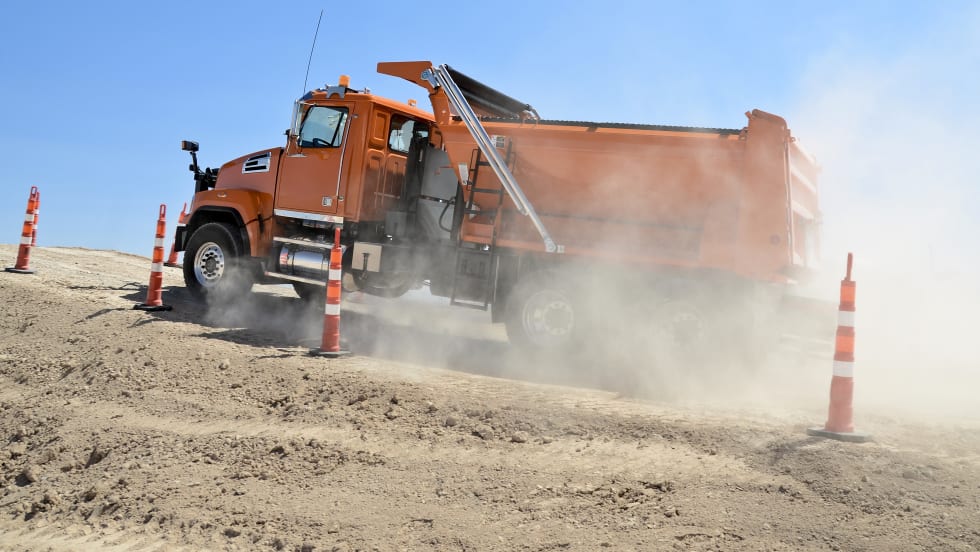
Basic Tracking vs Next Generation Fleet Technology
Fleet software is getting more sophisticated and effective than ever, tying big data models together to transform maintenance, safety, and the value of your existing tech stack. Fleet technology upgrades are undoubtedly an investment, but updated technology can offer a much higher return. Read how upgrading your fleet technology can increase the return on your investment.
Read More →
It’s here: The 2026 Fleet Technology Trends Report
What does AI mean for fleets? Get the answer — and learn other top tech trends.
Read More →
Small Fleets, Big Impact: How Independent Drivers Power Wreaths Across America
Check out how small fleets and independent drivers power Wreaths Across America each December and why their impact matters more than ever.
Read More →
VMS Survey Finds 65% of Small Fleet Managers Run Operations Alone
A new VMS survey shows small fleet managers are stretched thin, with most handling operations solo and eager to adopt digital tools for relief.
Read More →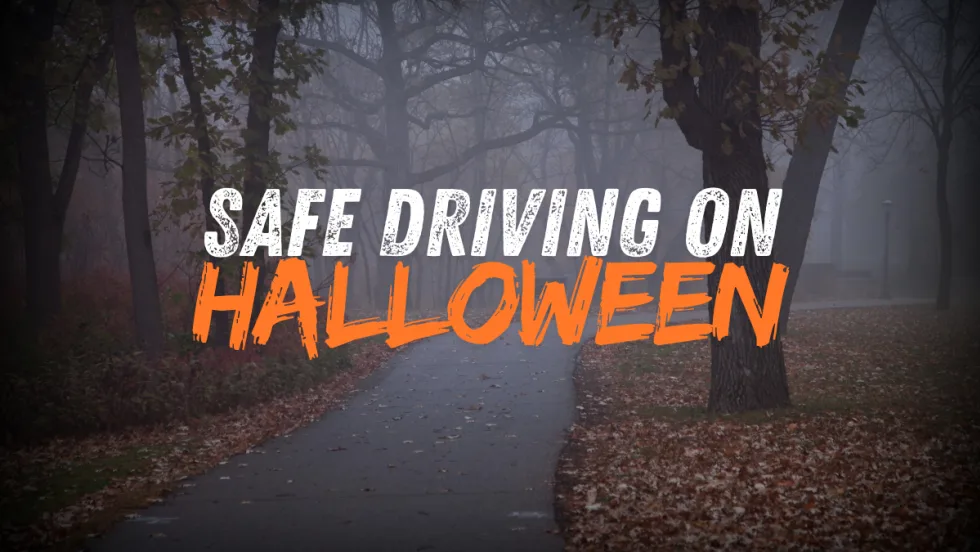
Tips for Driving Safely on Halloween Night
This video features a reminder from the Connecticut Department of Transportation (DOT) and the Connecticut Police Chiefs Association, urging drivers to prioritize safety this Halloween.
Read More →
AI, Access, and Uptime: VMS’s Next Chapter with David Prusinski
VMS’s new Co-CEO, David Prusinski, shares how an AI-first approach will give small fleets and repair shops the tools to compete like big players.
Read More →